Daughter Speak Out After Cruise Ship Passenger Is Found Dead

A family vacation meant to be a once-in-a-lifetime experience has ended in tragedy, raising serious questions about cruise ship safety and accountability.

The daughter of an Australian woman found dead on a remote island says her mother should never have been left alone. She claims a series of basic failures led to a devastating outcome.

A Dream Cruise That Turned Tragic

Suzanne Rees, an 80-year-old retiree from New South Wales, had embarked on a 60-day cruise around Australia aboard the Coral Adventurer.

The voyage, operated by Coral Expeditions, was priced in the tens of thousands of dollars and marketed as a premium expedition experience.

The ship’s first stop was Lizard Island, a remote and rugged destination off the coast of Far North Queensland.

Suzanne Rees was on a 60-day trip around Australia onboard the Coral Adventurer.
Suzanne Rees was on a 60-day trip around Australia onboard the Coral Adventurer (Coral Adventurer)

What the Family Believes Happened

According to the family, Rees took part in an organized hiking and snorkeling excursion on the island, which included climbing its highest summit.

Her daughter, Katherine Rees, says conditions were extreme that day. She told Australian media that her mother became unwell during the climb in intense heat.

Katherine alleges that her mother was instructed to head back down the trail alone, without an escort.

A Cruise Ship That Allegedly Sailed Without Her

When Suzanne Rees failed to return to the ship, the Coral Adventurer reportedly departed anyway.

Katherine says the family has been told there may not have been a full passenger count before departure. By the time concerns were raised, her mother was already missing on the island.

“At some stage in that sequence, or shortly after, Mom died, alone,” Katherine said.

Rees was tragically found dead the next day.
Rees was tragically found dead the next day (Family handout)

Discovery and Police Response

Suzanne Rees was reported missing later that evening. A search operation involving land, sea, and air was launched.

Her body was found the following day. The Queensland Police Service described the death as sudden and non-suspicious.

Despite this, the circumstances surrounding how she was left behind remain under investigation.

Daughter Calls It a “Failure of Care”

Katherine Rees has publicly criticized the cruise operator, calling the incident a “failure of care and common sense.”

She described her mother as active, healthy, and capable, saying she never should have been placed in a situation where she was left unaccompanied in a remote environment.

Katherine says she hopes a coronial inquiry will determine whether different decisions could have saved her mother’s life.

Authorities Launch Separate Investigations

The Australian Maritime Safety Authority has confirmed it is investigating the incident.

Officials plan to meet with the ship’s crew when the vessel docks in Darwin to review safety procedures, excursion protocols, and passenger accountability systems.

The incident has sparked wider concern about how cruise companies manage shore excursions, particularly in isolated locations.

Lizard Island was the first stop for the trip.
Lizard Island was the first stop for the trip (DAVID GRAY/AFP via Getty Images)

Cruise Operator Responds

Coral Expeditions has issued a public statement expressing deep regret over the death.

Chief executive Mark Fifield said the company is cooperating fully with authorities and offering ongoing support to the family.

The operator confirmed that a missing passenger report was made and that a search and rescue operation was initiated once the situation became known.

Questions That Remain

What’s often overlooked in cruise safety discussions is what happens off the ship. Excursions, particularly in remote regions, can present serious risks if protocols fail.

As investigations continue, Suzanne Rees’ death is likely to intensify scrutiny on cruise operators worldwide—especially around headcounts, escort policies, and emergency response procedures.

For her family, however, the focus remains painfully personal: understanding how a holiday adventure ended with their loved one left behind.

Featured Image Credit: Family Handout

Topics: Cruise shipAustraliaWorld News

Doctor Warns There’s One Body Part You Should Never Shave

Shaving is a routine part of personal grooming for millions of people. From legs to faces to underarms, it’s often treated as harmless hygiene.

But doctors say there’s one area of the body you should think twice about shaving—and it’s not for cosmetic reasons. According to medical experts, removing hair from this region may increase the risk of infections and other health issues.

The Shaving Question People Rarely Ask Doctors

Many health questions go unasked simply because people feel embarrassed. That’s something Mike Varshavski, better known as Doctor Mike, often addresses in his educational videos.

In one discussion, he tackled a topic that surprises many viewers: shaving the pubic region. While it’s a common grooming choice, he explained that medical research suggests it may come with real risks.

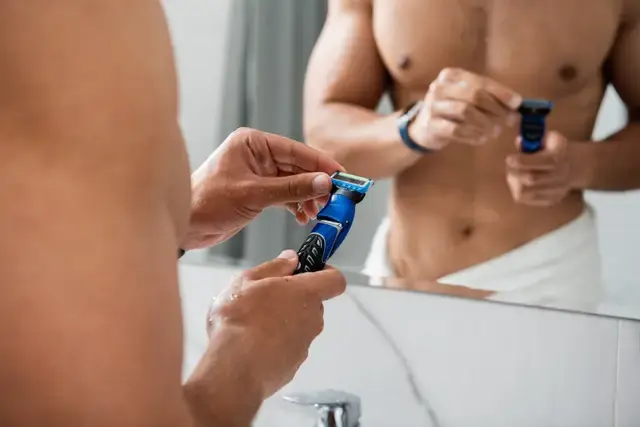
Shaving your pubic hair may not be so good for you after all.
Shaving your pubic hair may not be so good for you after all (Getty Stock Image)

Why Doctors Warn Against Shaving Pubic Hair

According to Doctor Mike, studies have found higher rates of sexually transmitted infections among people who regularly shave their pubic hair.

The reason isn’t the razor itself. Shaving removes a natural protective barrier, increasing skin-to-skin contact and making it easier for infections to spread.

The Hidden Risk of Micro-Tears in the Skin

Another concern is damage you can’t see. Shaving can cause tiny cuts and micro-tears in the skin, even when done carefully.

These small openings may allow bacteria, viruses, or bodily fluids to enter the body more easily. Experts say compromised skin surfaces can raise the risk of both local infections and sexually transmitted diseases.

Pubic Hair Has a Biological Purpose

Pubic hair isn’t random. It’s classified as “terminal hair,” which is thicker and coarser than hair found on most of the body.

Doctors explain that it develops during puberty and serves several protective roles. It helps reduce friction, limits skin irritation, and cushions sensitive areas during movement and intimacy.

What Dermatologists Say About Hair Removal

Dermatologists echo similar concerns. Katy Burris, a dermatologist with ColumbiaDoctors, has explained that pubic hair helps trap dirt and bacteria before they reach sensitive openings.

She notes that while many people assume hair removal improves hygiene, the opposite may be true. Removing this natural barrier can actually make the area more vulnerable to irritation and infection.

The doctor urged against shaving down below.
The doctor urged against shaving down below (Getty Stock Image)

Hygiene Myths Around Shaving

Health experts say the idea that shaving equals cleanliness is largely a myth. According to reporting from Healthline, pubic hair helps wick away sweat, reduce chafing, and provide a first line of defense against harmful microbes.

Gynecologists have also pointed out that certain infections spread more easily when the skin is damaged or inflamed from grooming practices.

A Case for Letting the Body Do Its Job

Medical professionals emphasize that if the body naturally grows hair in a specific area, it usually serves a purpose. Pubic hair appears to be no exception.

While personal grooming choices remain individual, doctors suggest understanding the risks before removing hair in sensitive regions. In many cases, leaving it intact may help protect skin health rather than compromise it.

Featured Image Credit: Getty Images

Topics: HealthYouTube

People With HIV Share Early Symptoms as Global Cases Rise

For many people, the earliest signs of a serious illness do not arrive with alarm bells. They show up quietly, often mistaken for stress, exhaustion, or a mild flu.

That uncertainty is now at the center of a growing conversation, as people living with HIV describe the first symptoms they noticed—while global health experts warn that millions of new cases could emerge in the coming years.

A Global Warning From Health Authorities

Health agencies are increasingly concerned about the direction of the global HIV response. The United Nations Population Fund recently warned that HIV infections could rise by an additional 3.3 million cases by 2030 if prevention and treatment efforts continue to face disruption.

By the end of 2023, an estimated 39.9 million people worldwide were living with HIV. Experts say those numbers highlight both the progress made in treatment and the vulnerabilities that remain.

The World Health Organization has described the current moment as a critical turning point, noting that access to life-saving services has been uneven in many regions. Still, it emphasizes that community-driven efforts and medical advances continue to offer hope.

HIV affects millions of people across the globe.
HIV affects millions of people across the globe (Getty Stock)

Real Stories Behind the Statistics

Against this backdrop, people diagnosed with HIV have been sharing their personal experiences online, offering insight into how the condition first revealed itself.

In one discussion, individuals were asked how they discovered they were HIV-positive and whether symptoms appeared early or later. The responses showed just how varied those experiences can be.

Some described having no obvious symptoms at all. One person recalled feeling suddenly overwhelmed by exhaustion despite having slept well, prompting a doctor’s visit that led to routine tests and an unexpected diagnosis.

Others noticed signs that felt more familiar, and therefore easy to dismiss.

When Symptoms Feel Like the Flu

Several people said their first warning signs closely resembled common viral illnesses. Flu-like symptoms, mild fevers, rashes, or general fatigue were often brushed off as temporary infections.

One individual shared that a week after a risky encounter, they developed cold symptoms and a light rash. Because they rarely became sick, the change felt unusual enough to raise concern, eventually leading them to seek testing.

These accounts highlight a recurring theme: early HIV symptoms can be nonspecific and easily confused with everyday illnesses.

The Emotional Impact of Diagnosis

Many people described the moment of diagnosis as overwhelming. Feelings of fear, shock, and devastation were common, particularly for those who believed their lives had permanently changed.

Yet several also emphasized that hope returned once treatment began. Advances in HIV care mean that most people who start treatment early can live long, healthy lives.

According to the Cleveland Clinic, modern antiretroviral therapy works by preventing the virus from reproducing in the body. While it does not cure HIV, consistent treatment can reduce the virus to undetectable levels, significantly improving health outcomes and preventing transmission.

Why Early Testing Still Matters

Health experts continue to stress that early testing remains one of the most effective tools in controlling HIV. Because symptoms can be mild or absent, many people do not realize they are infected until later stages.

Early diagnosis allows treatment to begin sooner, reducing complications and improving quality of life. It also plays a critical role in slowing the spread of the virus within communities.

Awareness Without Fear

Public health officials caution against panic-driven narratives. Instead, they encourage informed awareness, routine testing, and open conversations about sexual health.

As global case projections raise concern, the personal stories of people living with HIV serve as a reminder that behind every statistic is a human experience—often shaped by uncertainty, resilience, and access to care.

Featured Image Credit: Getty Stock Images

Topics: HealthRedditNews

How Many Push-Ups You Should Do by Age to Know If You’re Really Fit

How Many Push-Ups You Should Be Able to Do, According to Your Age

Push-ups may look simple, but they remain one of the most reliable ways to assess overall fitness. No equipment. No gym membership. Just you, the floor, and gravity.

Health experts say the number of push-ups you can complete in one uninterrupted set offers insight into muscular strength, endurance, and even cardiovascular health. And while expectations change as we age, push-ups remain a powerful benchmark at every stage of life.

Why Push-Ups Are Still a Gold-Standard Fitness Test

Push-ups work multiple muscle groups at once, including the chest, shoulders, arms, and core. They also demand coordination and stamina, making them more than just a strength exercise.

According to the Mayo Clinic, push-ups are an effective way to measure muscular endurance and track changes in fitness over time. That matters because strength and endurance naturally decline with age unless they’re actively maintained.

You can do a push-up just about anywhere.
You can do a push-up just about anywhere (Getty Stock Image)

Proper Form Matters More Than Speed

Before counting reps, form comes first. A proper push-up starts with hands slightly wider than shoulder-width, toes on the floor, and the body held in a straight line from head to heels.

Lower your chest toward the ground while keeping your core engaged, then push back up until your arms are fully extended. The goal is quality, not rushing through repetitions.

Push-Up Benchmarks for Women by Age

Fitness coaches Freddie Chatt and Adam Clarke shared age-based guidance with Women’s Health, offering realistic targets that reflect good strength and endurance.

  • Ages 15–19: 18–24 push-ups
  • Ages 20–29: 15–20 push-ups
  • Ages 30–39: 13–19 push-ups
  • Ages 40–49: 11–14 push-ups
  • Ages 50–59: 7–10 push-ups
  • Ages 60–69: 5–11 push-ups
  • Ages 70–79: 3–8 push-ups (including modified versions)
  • 80+: 2–5 push-ups (modified allowed)

These ranges account for natural changes in muscle mass while still emphasizing the importance of staying active.

These push-up counts are targets that reflect good muscular and cardiovascular fitness.
These push-up counts are targets that reflect good muscular and cardiovascular fitness (Getty Stock Image)

Push-Up Benchmarks for Men by Age

The Mayo Clinic also provides general guidance for men, showing how expected performance shifts over time.

  • Age 25: Around 28 push-ups
  • Age 35: About 21 push-ups
  • Age 45: Roughly 16 push-ups
  • Age 55: Around 12 push-ups
  • Age 65: About 10 push-ups

Counts above these benchmarks typically indicate above-average fitness, while lower numbers suggest room for improvement.

What Your Results Actually Mean

Falling below the target doesn’t mean poor health. Experts stress that push-up counts should be viewed as reference points, not judgments.

What’s often overlooked is progress. Using these numbers as goals can help people build strength gradually, especially if they’re returning to exercise after a break.

Can You Improve at Any Age?

Yes. Strength training remains effective well into older adulthood. Consistent practice, proper recovery, and gradual progression can lead to meaningful improvements at any stage of life.

Even modified push-ups can help build muscle and confidence, often leading to full push-ups over time.

Why Experts Recommend Tracking Push-Ups Over Time

Push-ups offer a repeatable, low-risk way to measure fitness changes. As endurance improves, so does overall physical resilience.

That matters because maintaining muscle strength supports balance, mobility, and long-term independence.

Featured Image Credit: Getty Stock Image

Topics: FitnessHealth

Mom’s ‘Flu’ Was Sepsis: Urgent Warning After Near-Fatal Infection

As winter illnesses surge, many people expect to battle coughs, fevers, and fatigue. For one mother in Wales, those familiar symptoms nearly proved fatal.

A 27-year-old woman has now shared her story to warn others after what she believed was the flu turned out to be sepsis, a life-threatening medical emergency that left her unresponsive in bed.

A Routine Illness That Was Anything But

Roberta Alisauskaite, a mother of two from Carmarthenshire in South West Wales, said she first began feeling unwell in October. Like many during colder months, she assumed she had picked up a seasonal bug from work.

At first, the symptoms felt manageable. She described feeling under the weather, run down, and feverish — all signs many associate with flu or a heavy cold.

What she didn’t realize was that her body was already fighting something far more dangerous.

Roberta Alisauskaite detailed how awful she felt in a video.
Roberta Alisauskaite detailed how awful she felt in a video (Kennedy)

Symptoms Escalated Rapidly

Alongside flu-like symptoms, Alisauskaite was dealing with an abscess linked to one of her wisdom teeth and had been taking antibiotics. Within days, her condition deteriorated quickly.

She developed violent shaking, an uncontrollable fever, and a worsening cough. Her temperature spiked, her breathing became labored, and confusion began to set in.

Despite turning on the heating and wrapping herself in blankets, she said her body alternated between intense chills and overwhelming heat.

Found Unresponsive by Her Children

The situation reached a terrifying turning point when Alisauskaite was found upstairs by her two young children. She was unresponsive and struggling to speak clearly.

She later explained that she was slurring her words and could no longer make sense, a moment she says deeply traumatized her children.

An ambulance was called, and she was rushed to hospital, where doctors carried out urgent tests.

The Real Diagnosis: Sepsis

Instead of flu, doctors determined she was suffering from sepsis, a condition caused by the body’s extreme response to an infection.

Consultants told her she had gone into septic shock, a severe and potentially fatal stage where blood pressure drops dangerously low and organs can begin to fail.

According to health authorities, sepsis requires immediate treatment. Delays can dramatically increase the risk of long-term complications or death.

The mother-of-two wants people to be aware of what sepsis symptoms can look like.
The mother-of-two wants people to be aware of what sepsis symptoms can look like (Kennedy)

Why Sepsis Is Often Missed

Medical experts say sepsis is frequently mistaken for flu, especially in its early stages. Fever, muscle pain, chills, and exhaustion can feel deceptively familiar.

What’s often overlooked is how quickly symptoms escalate. Confusion, breathlessness, uncontrollable shivering, and changes in speech are red flags that demand urgent medical attention.

The NHS and other health bodies stress that there is no single symptom of sepsis, making awareness crucial.

A Message for Other Parents and Families

Now recovering, Alisauskaite has spoken publicly to encourage others not to ignore worsening symptoms.

She says she never imagined a common illness could leave her fighting for her life, and she urges parents in particular to trust their instincts if something feels wrong.

Her story comes as winter illnesses place extra pressure on healthcare systems, a time when serious infections can easily be misjudged.

When to Seek Urgent Help

Health experts advise seeking immediate medical care if flu-like symptoms are accompanied by confusion, difficulty breathing, persistent vomiting, extreme shivering, or sudden changes in consciousness.

Early treatment saves lives. Acting quickly can mean the difference between recovery and devastating outcomes.

Featured Image Credit: Kennedy

Topics: HealthNewsParentingUK News

Experts Warn of Risks Linked to the Mounjaro Golden Dose

What Could Happen If You Take the Mounjaro “Golden Dose,” Experts Warn

Weight-loss medications have reshaped how people manage diabetes and obesity. But alongside their popularity, new and risky trends are emerging online. One of the most talked-about is the so-called “golden dose” of Mounjaro — and medical experts say it’s something users should avoid.

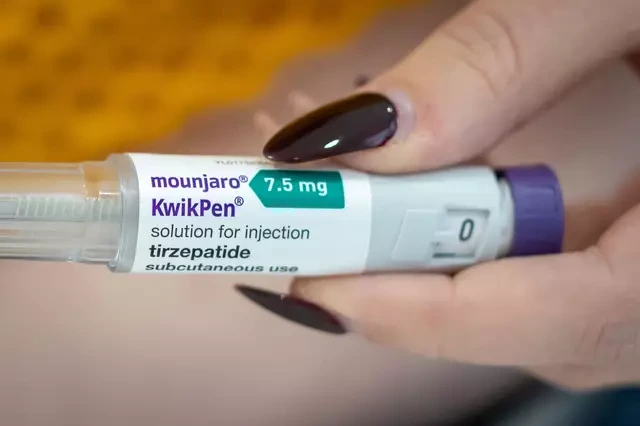
Mounjaro, also known as tirzepatide, is prescribed in carefully measured weekly doses. Yet some users are attempting to extract leftover medication from injector pens, believing it offers an extra boost. Doctors warn that this practice may come with serious consequences.

What Is Mounjaro and How Is It Meant to Work?

Mounjaro is a prescription medication approved to help manage blood sugar in people with type 2 diabetes. It belongs to a class of drugs known as GLP-1 and GIP receptor agonists.

These medications work by regulating appetite, slowing digestion, and improving insulin response. When taken as prescribed, they can help patients feel fuller for longer and maintain better metabolic control.

Because of these effects, Mounjaro has also gained attention among people seeking weight loss, though it is not approved for everyone and must be used under medical supervision.

Experts have issued a warning about the 'golden dose.
Experts have issued a warning about the ‘golden dose’ (Getty Stock Images)

The Rise of the “Golden Dose” Trend

The “golden dose” refers to the small amount of liquid some users claim remains in a Mounjaro pen after the four intended weekly injections.

On social media, some individuals suggest drawing out this leftover medication with a syringe to create an unofficial fifth dose. The motivation is often cost-related or driven by the belief that more medication leads to faster results.

Health professionals say this assumption is dangerous.

Why Doctors Say Extra Doses Are Risky

Medical experts stress that Mounjaro dosing is carefully calibrated for safety. Taking more than prescribed can overwhelm the body’s ability to tolerate the medication.

Reported side effects of excessive dosing may include severe nausea, vomiting, diarrhea, and dehydration. These symptoms can escalate quickly, especially in people who are already sensitive to GLP-1 medications.

In rarer cases, experts say overdosing may increase the risk of serious complications such as inflammation of the pancreas, a condition that often requires urgent medical care.

Infection and Contamination Concerns

There is another risk that has nothing to do with dosage levels. Attempting to extract medication from a pen that is not designed for reuse may introduce bacteria.

Manufacturers warn that breaking into injection pens is not sterile. This can increase the risk of skin infections, abscesses, and other complications at the injection site.

If an infection spreads, it may lead to severe outcomes that require hospitalization.

What the Manufacturer Says

The maker of Mounjaro has stated that its injection pens are designed to deliver a fixed amount of medication over a 28-day period. Any remaining liquid is intended for priming the device, not for additional dosing.

According to the company, once four doses are delivered or 30 days have passed, the pen should be safely discarded. Attempting to extract leftover medication goes against official guidance and safety testing.

The 'golden dose' is not recommended.
The ‘golden dose’ is not recommended (Matthew Horwood/Getty Images)

Why More Is Not Better With GLP-1 Drugs

One of the biggest misconceptions around weight-loss medications is that higher doses automatically produce better results. Experts say that’s not how these drugs work.

Higher-than-recommended doses do not guarantee faster or greater weight loss. Instead, they increase the likelihood of adverse effects, which may force patients to stop treatment altogether.

What’s often overlooked is that consistency, not excess, is what makes these medications effective when medically appropriate.

A Growing Call for Caution

Healthcare providers are increasingly urging patients to follow prescriptions exactly as written. They also encourage open conversations with clinicians about side effects, costs, and expectations.

If a medication feels ineffective or difficult to tolerate, experts say adjustments should always be made by a qualified professional — not through online hacks.

This article is for informational purposes only and is not intended as medical advice. Always consult a qualified healthcare professional before making any changes to your health, diet, or treatment.

Featured Image Credit: Getty Stock Images

Topics: MounjaroWeight lossHealth

New York Woman Sues Pfizer Over Depo-Provera After Brain Tumor Diagnosis at 30

Woman Sues Birth Control Company After Discovering ‘Lime-Sized’ Brain Tumor at 30

A Long Island mom says her life changed in an instant when doctors found a brain tumor “the size of a lime.” Now, she’s taking her fight to court.

Elizabeth Fleurisma has filed a lawsuit against Pfizer, alleging an injectable birth control she used for years did not adequately warn about a possible increased risk of certain tumors.

The case is one of many lawsuits that have been filed in recent months, with plaintiffs making similar claims about the same product.

A diagnosis that reshaped her daily life

Fleurisma says she was 30 when she learned she had a large brain tumor. She later underwent an extensive surgery that lasted around 16 hours, followed by weeks of radiation therapy.

Doctors removed much of the tumor, but Fleurisma says a portion remains lodged in her skull.

In interviews reported by US outlets, she described ongoing challenges after treatment, including struggling with speech and feeling disoriented in familiar environments.

The birth control is taken every three months via injection.
The birth control is taken every three months via injection (James Wakibia/SOPA Images/LightRocket via Getty Images)

What the lawsuit claims

The lawsuit targets Pfizer, the manufacturer of Depo-Provera, an injectable contraceptive typically administered every three months.

Fleurisma alleges the product’s labeling and warnings did not clearly communicate what she believes is a heightened risk of developing intracranial meningiomas. These tumors often grow slowly and form in the meninges, the membranes that cover the brain and spinal cord.

The filings also claim Pfizer knew—or should have known—about the alleged risk and failed to provide stronger warnings earlier. As with any civil complaint, these claims represent the plaintiff’s allegations and have not been proven in court.

Why she chose an injection over the pill

Fleurisma’s account describes a common decision many patients face: convenience and consistency.

After giving birth as a teenager, she reportedly looked for a birth control option that did not require remembering a daily pill. Depo-Provera, given by injection, became her choice.

According to the report, she used the injections for about eight years.

How Depo-Provera works

Depo-Provera contains progestin, a synthetic form of a hormone involved in the reproductive cycle.

Progestin-based contraceptives can prevent pregnancy by stopping ovulation and making it harder for sperm to reach an egg. Injectable birth control appeals to some people because it offers longer coverage between doses than daily tablets.

The lawsuit’s focus is not on whether the drug prevents pregnancy, but on whether the product label sufficiently warned users about a specific safety concern.

Fleurisma claims she still suffers issues as a result of the tumor.
Fleurisma claims she still suffers issues as a result of the tumor (Getty Stock Image)

Pfizer’s response and what comes next

Pfizer has pushed back against the accusations, saying it believes the claims lack merit and that it will defend itself in court.

In statements reported by the media, the company has said it stands behind the safety and efficacy of Depo-Provera and notes it has been used by millions of women worldwide.

The wider legal fight includes far more than Fleurisma’s case. Reports have described hundreds—potentially more—lawsuits connected to the same alleged issue, with plaintiffs seeking damages and stronger accountability around risk communication.

What this story signals for patients and regulators

Cases like this often reignite a broader conversation about how drug risks get communicated to the public, especially when a product has remained on the market for decades.

In situations involving widely used medicines, health agencies like the FDA play a major role in evaluating safety data and updating labeling when new evidence emerges. Media reports have also referenced a Reuters account that Pfizer sought additional warning language after reviewing research in 2023 that suggested a potential link.

For now, the core issue will play out in court: what the available evidence shows, what Pfizer knew and when, and whether warnings met legal and regulatory standards.

Featured Image Credit: Getty Stock Image

Topics: CancerHealthNewsUS News

How One Simple Change Helped Someone Lose 130lbs Naturally

Life before the weight loss

With weight-loss injections becoming increasingly common, losing a large amount of weight without medication can feel almost unheard of. But one person says a single, science-backed change helped them shed more than 130lbs—and keep it off.

Their experience offers a reminder that while modern tools can help some people, the foundations of weight loss haven’t changed as much as social media might suggest.

The individual, who shared their story on Reddit, said they began their journey at 27 years old weighing close to 400lbs. They described feeling constantly exhausted, unhappy with their health, and frustrated by repeated failed attempts to lose weight.

Over time, that frustration turned into motivation. Years later, they not only reached a much healthier weight but also became a certified weight management specialist, helping others pursue similar goals without medication.

Lots of people are turning to the fat jabs to lose weight, but the 'natural' way remains free and effective.
Lots of people are turning to the fat jabs to lose weight, but the ‘natural’ way remains free and effective (Getty Stock Image)

The one change that mattered most

Despite all the diet trends and fitness hacks available, the change they credit most is straightforward: consistently eating fewer calories than their body used.

In other words, maintaining a calorie deficit.

“If you’re not in a calorie deficit, you aren’t going to lose weight,” they explained. Understanding how a deficit works—and how to maintain it safely—was the turning point in their transformation.

Why calorie deficit works

A calorie deficit means your body uses more energy than it receives from food. Over time, this forces it to draw on stored energy, including body fat.

Health authorities like the Mayo Clinic note that sustainable weight loss typically depends on long-term energy balance rather than short-term restriction. Extreme dieting may produce rapid results, but it often leads to burnout or weight regain.

What’s often overlooked is that a calorie deficit doesn’t automatically mean eating as little as possible.

Food quality still matters

The Reddit user stressed that not all calorie deficits are equal. Technically, someone could eat only junk food and still lose weight if calories remain low enough—but that approach rarely lasts.

Instead, they removed highly processed snacks and takeaway foods from their home. Cooking simple, nutritious meals helped reduce calorie intake naturally while also improving how they felt day to day.

Over time, their taste preferences changed.

“Junk food became a huge turn off for me,” they said, explaining that the mental pull of unhealthy food faded once it was no longer part of their routine.

Choosing the healthy option and not putting junk in your shopping cart is the best way to stay away from temptation.
Choosing the healthy option and not putting junk in your shopping cart is the best way to stay away from temptation (Getty Stock Image)

The role of exercise

Exercise wasn’t used as punishment or a shortcut. It was a support system.

They combined strength training with cardio, explaining that resistance exercises helped preserve muscle while losing fat. Cardio then supported overall fitness and calorie use.

According to the World Health Organization, strength and aerobic activity together offer broad health benefits, including improved metabolism and long-term weight maintenance.

Why the weight stayed off

Many people lose weight temporarily, only to regain it later. This person believes the reason their results lasted is because habits—not quick fixes—did the heavy lifting.

Removing constant temptation, building routine meals, and reframing food as fuel rather than comfort helped reshape their relationship with eating.

Weight loss, they said, stopped feeling like a battle and became part of daily life.

A reminder about individual paths

This story doesn’t suggest there’s only one “right” way to lose weight. Bodies, health needs, and circumstances vary widely.

But it highlights a principle backed by decades of research: sustainable weight loss usually comes from consistent, manageable changes rather than extreme measures.

For many, that starts with understanding energy balance—and building habits that make healthier choices easier over time.

Health Disclaimer
This article is for informational purposes only and is not intended as medical advice. Always consult a qualified healthcare professional before making any changes to your health, diet, or treatment.

Featured Image Credit: Getty Stock Image

Topics: Weight lossHealthFitnessMounjaroFood and Drink

Expert Guide: How Much Water to Drink Each Day by Age

Why hydration needs change with age

Water is easy to overlook.
With coffee in the morning, fizzy drinks at lunch, and another caffeine boost in the afternoon, plain water often takes a back seat.

But health experts say hydration plays a far bigger role in daily wellbeing than many people realize. From brain function to temperature control, water supports nearly every system in the body.

According to research cited by the University of California, water helps deliver nutrients to cells, remove waste, protect joints and organs, and regulate body temperature. That’s why experts consistently recommend water as the default drink of choice.

While general guidelines suggest men aim for around 13 cups of fluids per day and women about nine, those figures don’t tell the full story. Age, growth, metabolism, and lifestyle all influence how much water the body actually needs.

Speaking to UK media, medical expert Dr Jonathan Webster explained how hydration requirements shift throughout life — and why many people may be falling short.

Water is vital to our health.
Water is vital to our health (Getty Stock Images)

Teenagers and rapid growth

Teenagers have higher water needs due to growth spurts, hormonal changes, and increased physical activity.

For boys aged 14 to 18, the recommendation is 1.6 to 1.9 liters per day.
Girls in the same age group should aim for around 1.5 liters daily.

Adequate hydration helps maintain energy levels, supports muscle function, and aids metabolism during this critical stage of development.

Children aged 4 to 8

Young children need consistent hydration to support growth and development.
Dr Webster advises that children in this age range should drink around 1.2 liters of water per day, which equals roughly six to eight small glasses.

Hydration at this stage supports brain function, digestion, and temperature regulation. Because children may not always recognize thirst, regular reminders are important.

Children need to be drinking around 1.2 liters of water a day.
Children need to be drinking around 1.2 liters of water a day (Getty Stock Images)

Adults under 60

Hydration becomes especially important in adulthood as work, exercise, and stress increase demands on the body.

Women under 60 are generally advised to drink around 1.6 liters per day, while men should aim for about 2 liters.

Dr Webster notes that proper hydration supports kidney function, concentration, and temperature control. However, individual needs may rise with exercise, hot climates, or diets high in salt or protein.

Adults over 60 and dehydration risk

Older adults are particularly vulnerable to dehydration.
As people age, the body’s thirst response becomes less sensitive, meaning they may not feel thirsty even when fluid levels are low.

Experts recommend adults over 60 continue to aim for 1.6 to 2 liters per day, unless otherwise advised by a healthcare professional.

The Mayo Clinic warns that common signs of dehydration include dark urine, reduced urination, fatigue, dizziness, confusion, and dry skin that doesn’t bounce back when pinched.

Adults need to be drinking the most water.
Adults need to be drinking the most water (Getty Stock Images)

Factors that affect individual needs

Water requirements aren’t fixed. Exercise, illness, medication, alcohol intake, and even diet all influence hydration levels.

Foods with high water content — such as fruits, vegetables, and soups — contribute to fluid intake. At the same time, caffeine and alcohol can increase fluid loss if consumed in excess.

Listening to the body and maintaining regular water intake throughout the day is often more effective than relying on thirst alone.

Making water a daily habit

Health experts suggest keeping water easily accessible, pairing drinking water with daily routines, and choosing water over sugary drinks whenever possible.

Small changes can make a noticeable difference in energy, focus, and overall wellbeing.

While exact needs vary, staying consistently hydrated is one of the simplest steps people can take to support long-term health.

Health Disclaimer
This article is for informational purposes only and is not intended as medical advice. Always consult a qualified healthcare professional before making any changes to your health, diet, or treatment.

Featured Image Credit: Getty Stock Images

Topics: Food and DrinkHealthLife

Colon Cancer Deaths Rising in People Under 50

A worrying exception to progress

Cancer survival rates have improved dramatically over the past few decades.
Earlier detection, better treatments, and declining smoking rates have saved millions of lives.

But scientists say one type of cancer is moving in the opposite direction — and it’s affecting younger people.

New research shows that while deaths from most cancers are falling, colon cancer is becoming more deadly for people under the age of 50.
In fact, it is now the leading cause of cancer-related death in this age group.

That shift marks a sharp break from decades of progress in cancer care.

Colon cancer is much harder to treat if not detected early.
Colon cancer is much harder to treat if not detected early (Getty Stock Images)

What the data shows

According to a recent report from the American Cancer Society, overall cancer death rates among under-50s dropped by 44 percent between 1990 and 2023.

Four of the five deadliest cancers in younger adults followed that downward trend.
Colorectal cancer did not.

Instead, deaths from colon and rectal cancers have increased by roughly two percent per year, quietly reshaping cancer risk for younger generations.

From fifth place to the deadliest

In 1990, colorectal cancer ranked fifth among cancer deaths in people under 50.
Today, it sits at the top.

It is now the leading cause of cancer death in younger men and the second-leading cause in younger women, behind breast cancer — despite long being considered a disease of older age.

That matters because many younger patients, and even some clinicians, don’t initially suspect cancer.

Bloating and blood in your stool are among the most common signs of colorectal cancer.
Bloating and blood in your stool are among the most common signs of colorectal cancer (Getty Stock Images)

Why younger patients are at higher risk

One major factor is delayed diagnosis.
Routine screening for colorectal cancer typically begins at age 45, even after guidelines were lowered in response to rising cases.

People under that threshold are less likely to be screened and more likely to dismiss symptoms.

Bloating, blood in stool, abdominal pain, or changes in bowel habits are often attributed to stress, diet, or conditions like IBS, rather than cancer.

What experts are saying

Gastrointestinal cancer specialist Jeff Meyerhardt told Scientific American that colorectal cancer has long been viewed as a cancer of aging.

“That assumption held for decades,” he said, “until more recently.”

The concern now is that tumors in younger patients may go unnoticed for years before diagnosis.

How early does the disease begin?

Researchers are also questioning how colorectal cancer develops so early in life.
For someone diagnosed in their early 20s, scientists estimate precancerous growths may have started in childhood.

Andrea Cercek, co-director of the Center for Young Onset Colorectal and Gastrointestinal Cancer, says that possibility is driving urgent research.

“If a 22-year-old has cancer, that process likely began when they were a child,” she explained.

Possible causes under investigation

There is no single confirmed cause for the rise in early-onset colorectal cancer.
Researchers are examining several large-scale changes over the past 30 years.

These include diet, physical inactivity, obesity, antibiotic use, gut microbiome changes, and environmental exposures such as microplastics.

What’s often overlooked is that these factors may interact over time, accelerating disease development in younger bodies.

More people under the age of 50 are dying from colorectal cancers.
More people under the age of 50 are dying from colorectal cancers (Getty Stock Images)

Why awareness matters now

Survival outcomes for young adults with colorectal cancer can be life-altering, physically and emotionally.
Late diagnosis often means more aggressive treatment and reduced quality of life.

Experts stress that recognizing symptoms early remains the most effective way to reverse the trend.

The earlier colorectal cancer is found, the more treatable it becomes.

What younger people should know

Doctors urge anyone — regardless of age — to seek medical advice for persistent bowel changes, unexplained bleeding, ongoing bloating, or abdominal pain.

These symptoms don’t automatically mean cancer.
But ignoring them has become increasingly risky.

As scientists continue searching for answers, awareness may be the most powerful tool currently available.

Health Disclaimer
This article is for informational purposes only and is not intended as medical advice. Always consult a qualified healthcare professional before making any changes to your health, diet, or treatment.

Featured Image Credit: Getty Stock Images

Topics: CancerHealthScienceColon cancer