Medical Expert Warns Belly Fat Isn’t Just Weight Gain

Why belly fat deserves attention

After the festive season, many people notice extra weight around their middle.
For most, it feels like a temporary inconvenience. But doctors say belly fat can mean much more than just a change in appearance.

A growing body of medical evidence suggests that weight carried around the abdomen may be linked to serious health risks that aren’t always visible on the surface.

Weight loss is often framed around aesthetics.
Abs, beach bodies, and clothing sizes dominate the conversation.

But according to Dr Amir Khan, focusing purely on looks misses the real issue.
The goal, he says, should be better health — not chasing an ideal body shape.

Not all fat behaves the same way in the body.
Dr Khan explains there are two main types: subcutaneous fat and visceral fat.

Subcutaneous fat sits just beneath the skin.
It’s the type you can pinch and is generally less harmful.

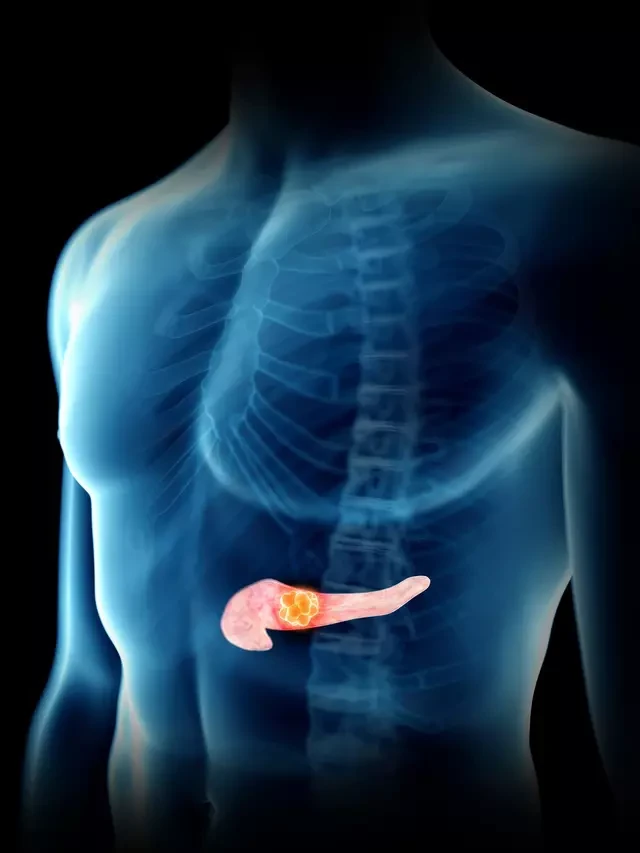
Visceral fat, however, is stored deeper in the abdomen, wrapped around vital organs such as the liver, pancreas, and intestines.

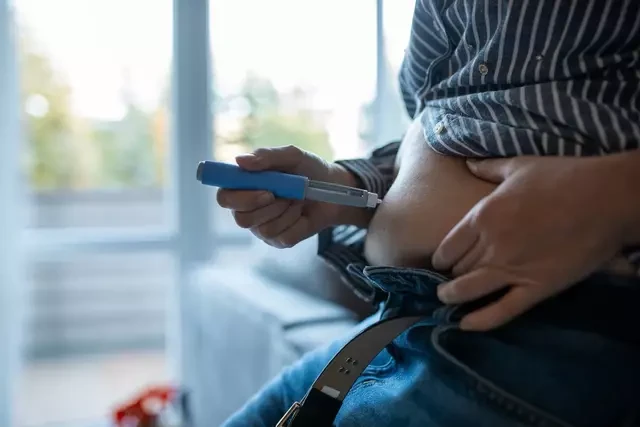
Losing weight around our abdomen in particular can have huge health benefits.
Losing weight around our abdomen in particular can have huge health benefits (Getty Stock)

Why visceral fat is more dangerous

Visceral fat is strongly linked to metabolic and cardiovascular disease.
Higher levels are associated with type 2 diabetes, high cholesterol, heart disease, and increased inflammation in the body.

What’s often overlooked is that someone can appear slim overall but still carry high levels of visceral fat, particularly around the stomach.

That matters because visceral fat interferes with how the body regulates blood sugar, hormones, and cholesterol.

Dr Khan warns that belly fat can be an external sign of internal stress on the body.
Excess abdominal fat may indicate insulin resistance, fatty liver disease, or elevated cardiovascular risk — even before symptoms appear.

This makes belly fat less about appearance and more about long-term health outcomes.

While visceral fat poses greater risks, it also responds more quickly to lifestyle changes.
Dr Khan notes that this type of fat is metabolised faster than subcutaneous fat.

Because it’s more biologically active, the body can reduce visceral fat relatively quickly through improved movement, nutrition, sleep, and stress management.

What helps reduce abdominal fat

According to guidance from the Cleveland Clinic, reducing visceral fat typically involves a combination of habits rather than a single solution.

Regular physical activity that raises heart rate is key.
Strength training also plays a role by improving muscle mass and metabolic health.

Nutrition matters as well.
Balanced meals, reduced ultra-processed foods, and limiting alcohol intake are all linked to lower abdominal fat levels.

Quality sleep and stress reduction are also important.
Chronic stress raises cortisol levels, which can promote fat storage around the midsection.

Doctors stress that the aim shouldn’t be rapid weight loss or extreme dieting.
Instead, sustainable habits that support overall health tend to deliver the most meaningful results.

What’s often overlooked is that improving metabolic health can happen even without dramatic changes on the scale.

Small reductions in visceral fat can significantly lower disease risk over time.

When to seek medical advice

Carrying belly fat doesn’t automatically mean someone is unhealthy.
But sudden changes in weight distribution, combined with fatigue, blood sugar issues, or a family history of metabolic disease, may be worth discussing with a healthcare professional.

Early awareness allows people to take preventative steps long before serious illness develops.

Health Disclaimer
This article is for informational purposes only and is not intended as medical advice. Always consult a qualified healthcare professional before making any changes to your health, diet, or treatment.

Featured Image Credit: Getty Stock

Topics: HealthInstagramWeight loss

Doctor Reveals 5 Cancer Symptoms Often Mistaken for Other Illnesses

Why bowel cancer symptoms are frequently missed

Many people assume cancer symptoms are always obvious.
In reality, some of the most common warning signs are easy to dismiss as everyday health problems.

That misunderstanding can delay diagnosis, and doctors say it’s happening more often than many realise.

Awareness of bowel cancer has improved over the decades, helping survival rates overall.
However, diagnoses among people under 50 are rising, according to data from the American Cancer Society.

At the same time, surveys suggest around one in three adults struggle to recognise early symptoms, increasing the risk of late detection.

35 percent of people fail to recognize bowel cancer symptoms.
35 percent of people fail to recognize bowel cancer symptoms (Getty Stock Images)

Changes in bowel habits

A shift in how often you go to the toilet, or how your stools look, can seem harmless.
Many people put it down to diet, stress, or conditions like irritable bowel syndrome.

Doctors warn that ongoing diarrhoea, constipation, or feeling like your bowel hasn’t fully emptied should not be ignored, especially if it lasts several weeks.

Blood in your stool

Seeing blood can be alarming, but it’s often brushed off as piles or small tears.
While those causes are common, blood in the stool can also be a sign of bowel cancer.

Medical professionals stress that any unexplained bleeding should be checked, even if there is no pain.

A change in bowel habits could be a warning sign for cancer.
A change in bowel habits could be a warning sign for cancer (Getty Stock Images)

Persistent bloating

Bloating is extremely common and usually linked to digestion or hormonal changes.
That’s why it’s often overlooked as a potential warning sign.

Experts say persistent, unexplained bloating that doesn’t come and go may need further investigation, particularly if it’s new or worsening over time.

Prolonged fatigue

Feeling tired is easy to explain away in a busy life.
Poor sleep, stress, or diet are usually blamed first.

However, bowel cancer can cause internal bleeding that leads to anaemia, leaving people feeling constantly exhausted even after rest.

Bowel cancer can cause fatigue due to anaemia.
Bowel cancer can cause fatigue due to anaemia (Getty Stock Images)

Unexplained weight loss

Weight changes can happen for many reasons.
But losing weight without changing diet, exercise, or routine is considered a red flag.

Doctors say unexplained weight loss can signal several serious conditions, including bowel cancer, and should always be assessed by a healthcare professional.

Why early detection matters

In its earliest stages, bowel cancer may cause only mild or vague symptoms.
That makes awareness crucial.

Spotting changes early gives doctors more treatment options and significantly improves outcomes. What’s often overlooked is that acting on small symptoms can make a life-saving difference.

When to seek medical advice

Health experts encourage people to trust their instincts.
If something feels unusual, persistent, or out of character, it’s worth booking a GP appointment.

No symptom is too minor to mention, and doctors stress that early conversations can prevent far more serious problems later on.

Health Disclaimer
This article is for informational purposes only and is not intended as medical advice. Always consult a qualified healthcare professional before making any changes to your health, diet, or treatment.

Featured Image Credit: Getty Images/AndreyPopov

Topics: HealthCancerLife

Popular Weight Loss Drugs Linked to Rise in Rare ‘Sailor’ Disease

Weight loss injections have transformed how millions manage their weight.
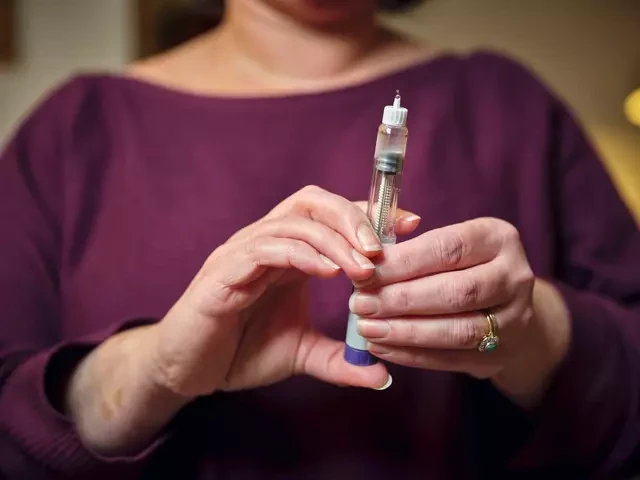
But doctors and nutrition experts are now raising concerns about an unexpected side effect tied to these drugs: the return of scurvy.

Once associated with pirates and long sea voyages, the vitamin deficiency disease is reportedly appearing more often in modern clinical settings.

A centuries-old condition making a comeback

Scurvy is caused by a lack of vitamin C in the diet.
Historically, it affected sailors who went months without fresh fruit or vegetables.

Now, experts suggest appetite suppression linked to GLP-1 weight loss drugs may be creating similar nutritional gaps in some users.

Weight loss drugs are now widely used

GLP-1 medications such as Wegovy and Mounjaro have become increasingly common across the UK, US, and Australia.
Data from University College London suggests around 1.6 million people in Britain used weight loss injections in the past year alone.

A separate poll from KFF found that one in eight adults had used GLP-1 drugs for weight loss at the time of the survey.

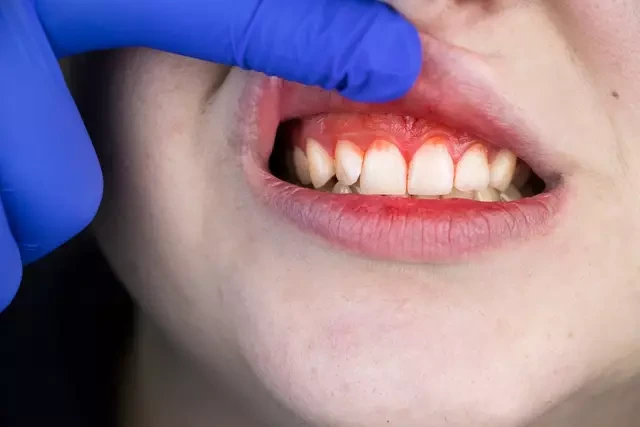
Scurvy can cause someone's gums to bleed.
Scurvy can cause someone’s gums to bleed (Getty Stock)

How scurvy develops

According to the Mayo Clinic, scurvy occurs when people do not consume enough vitamin C over time.
The vitamin plays a vital role in tissue repair, immune health, and collagen production.

Without it, the body begins to break down in noticeable ways.

Symptoms doctors are seeing

Early signs of scurvy can be subtle, which makes it easy to miss.
Common symptoms include fatigue, anemia, and joint pain.

As the condition progresses, patients may experience bleeding gums, loose teeth, rough skin, swelling in the legs, and wounds that reopen after healing.

In severe cases, untreated scurvy can become life-threatening.

Why GLP-1 drugs may increase the risk

Nutrition experts say the issue is not the medication itself, but what happens to eating habits afterward.
GLP-1 drugs are designed to reduce appetite, which can lead to people eating far less overall.

Professor Clare Collins, a nutrition and dietetics specialist at Newcastle University, reviewed dozens of weight loss drug trials and found that dietary intake was rarely tracked.
She warned that weight loss does not automatically mean someone is well-nourished.

“What’s often overlooked is how these medications change what people actually eat,” she said in interviews with Australian media.
“If fruit and vegetables drop out of the diet, deficiencies can follow.”

A high-profile example

Singer Robbie Williams publicly revealed last year that he was diagnosed with scurvy while taking weight loss medication.
He said his appetite dropped so dramatically that he stopped eating balanced meals altogether.

The musician described the condition as “a 17th-century pirate disease,” highlighting how unexpected the diagnosis felt.

Health data suggests Williams is not alone.
UK figures indicate scurvy cases have increased by around 25 percent since 2007.

Robbie Williams revealed last year that he'd been diagnosed with scurvy.
Robbie Williams revealed last year that he’d been diagnosed with scurvy (Jim Dyson/Getty Images)

What drug makers are saying

Pharmaceutical companies stress that scurvy is not a listed side effect of GLP-1 medications.
A spokesperson for Novo Nordisk said patient safety remains a priority and encouraged anyone experiencing adverse effects to report them through official monitoring systems.

The company also noted that Ozempic is approved for type 2 diabetes, not weight loss.

Eli Lilly, which manufactures Mounjaro, has also been contacted for comment.

Why nutrition still matters

Experts agree the findings do not mean people should automatically stop taking prescribed medication.
Instead, they emphasize the importance of monitoring diet quality alongside weight loss.

That matters because reduced calorie intake without proper planning can quietly lead to deficiencies, even in people who appear otherwise healthy.

Health Disclaimer
This article is for informational purposes only and is not intended as medical advice. Always consult a qualified healthcare professional before making any changes to your health, diet, or treatment.

Featured Image Credit: Getty Stock

Topics: HealthNewsWeight loss

Nipah Virus Expert Explains Whether It Could Become the Next Covid

As airport screening measures reminiscent of the early Covid-19 days return in parts of Asia, concern is growing about a virus many people had never heard of until recently.

The focus is the Nipah virus, a rare but highly lethal disease that has prompted heightened surveillance after confirmed cases in eastern India. While the fatality rate is alarming, experts say the virus behaves very differently from Covid-19.

Why Nipah virus is back in the spotlight

Thailand, Taiwan, and Nepal have introduced screening measures for travelers after cases were reported in West Bengal, India. The Indian government initially reported five possible cases before confirming the number was two.

Both cases involved nurses who had worked together at a private hospital in late December. They became unwell soon after and were admitted to intensive care in early January, with one reportedly in critical condition.

The developments have sparked public anxiety, especially given the global trauma left by the Covid-19 pandemic.

Nipah virus is transmitted to humans via bats.
Nipah virus is transmitted to humans via bats (Arnun Chonmahatrakool/Thai News Pix/LightRocket via Getty Images)

What makes Nipah virus so dangerous

Nipah virus is classified as a zoonotic disease, meaning it spreads from animals to humans. Fruit bats are the primary natural hosts, and human infections often occur through contaminated food or direct contact.

In parts of India and Bangladesh, infections have frequently been linked to people drinking raw date palm sap, a seasonal delicacy that can become contaminated by bats during winter months.

Early symptoms often resemble the flu, including fever, headache, muscle pain, and fatigue. In more severe cases, the virus can affect the brain and lungs, leading to life-threatening complications.

A fatality rate that raises alarm

What makes Nipah particularly concerning is its fatality rate. Experts estimate that infections contracted directly from bats can be fatal in up to 90 percent of cases.

When the virus spreads from person to person, the fatality rate is lower but still significant, ranging between 40 and 50 percent. There is currently no specific cure or antiviral treatment, with care focused on managing symptoms and complications.

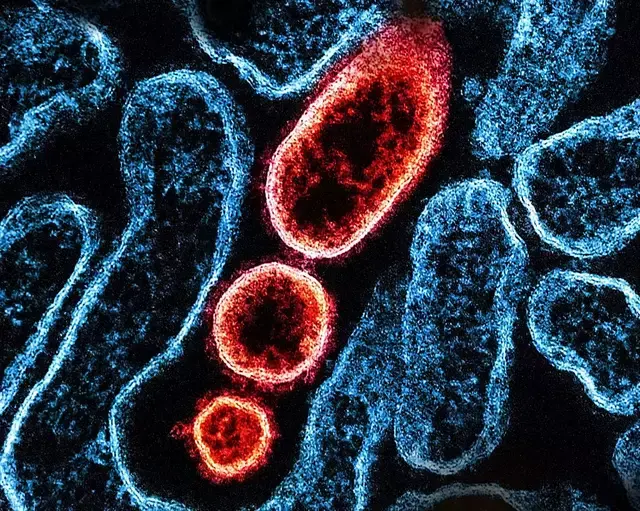
The Nipah virus can also spread from person to person.
The Nipah virus can also spread from person to person (NIH-NIAID/Image Point FR/BSIP/Universal Images Group via Getty Images)

Could Nipah become the next Covid?

Despite these figures, experts stress that Nipah is very unlikely to cause a Covid-style global pandemic.

Dr. Emily Gurley, a professor of epidemiology at Johns Hopkins University and a member of the World Health Organization’s Nipah Virus Taskforce, says the virus is not easily transmissible.

Based on data from past outbreaks, each infected person passes the virus to an average of just 0.3 other people. In most cases, infected individuals do not transmit the virus to anyone else.

How transmission compares to Covid-19

This is a crucial difference from Covid-19. For comparison, estimates from health authorities suggest coronavirus had an average transmission rate close to or above one, allowing outbreaks to grow rapidly.

Dr. Gurley explains that while occasional clusters can occur when one person infects several others, these situations typically resolve on their own rather than expanding into sustained outbreaks.

“That’s what we’ve always seen with Nipah,” she notes. “The outbreak eventually ends.”

Thailand is among the countries introducing Covid-style measures at airports.
Thailand is among the countries introducing Covid-style measures at airports (Suvarnabhumi Airport/Facebook)

Why airports are still taking precautions

Health officials say airport screening measures are a precaution rather than a signal of imminent global risk. These steps are designed to identify potential cases early and prevent wider spread, particularly given the virus’s severity.

Experts emphasize that vigilance is important, especially in healthcare settings and regions where human-to-human transmission has occurred before.

A virus to watch, not panic over

Dr. Gurley adds that the situation would only change if the virus evolved to become significantly more transmissible. At present, there is no evidence that this has happened.

For now, specialists say Nipah remains a serious but contained threat — one that requires monitoring, not fear.

Health Disclaimer

This article is for informational purposes only and is not intended as medical advice. Always consult qualified healthcare professionals or official health authorities for guidance on infectious diseases or symptoms.

Featured Image Credit: Suvarnabhumi Airport/Facebook

Topics: HealthWorld NewsIndia

Doctor Warns After Nipah Virus Outbreak Prompts Airport Measures

A virus with no known cure has triggered renewed concern among health officials, prompting several countries to introduce airport screening measures reminiscent of the early days of COVID-19.

The focus is the Nipah virus, a rare but serious illness with a high fatality rate, which has recently been confirmed in parts of eastern India. While outbreaks of Nipah are not new, experts say early containment remains the most effective defense.

New cases raise regional concerns

India has confirmed at least two recent Nipah virus cases in West Bengal, involving healthcare workers who were on duty together in late December. Both individuals became unwell shortly afterward and were admitted to intensive care in early January.

Health authorities say the cases highlight the ongoing risk of transmission in clinical settings, particularly when staff are in close contact with infected patients.

Why Nipah virus alarms health officials

The Nipah virus is known for its severity. Experts estimate its fatality rate can range between 40 and 75 percent, depending on the outbreak and the level of medical support available.

There is currently no specific cure for the virus, and treatment focuses on supportive care and managing complications. That reality makes prevention and early detection especially critical.

Suvarnabhumi Airport has stepped up health checks similar to COVID-19 measures.
Suvarnabhumi Airport has stepped up health checks similar to COVID-19 measures (Facebook/Suvarnabhumi Airport)

Airports introduce precautionary measures

In response to the latest cases, Nepal, Thailand, and Taiwan have introduced enhanced airport health procedures for passengers arriving from areas considered at risk.

These steps mirror measures used during the COVID-19 pandemic and may include health declaration forms, fever screening, isolation rooms, and requirements for medical certificates for passengers showing symptoms.

Officials stress these actions are precautionary, aimed at reducing the likelihood of wider transmission rather than signaling an immediate global threat.

A doctor’s warning from outbreak experience

Dr. Seethu Ponnu Thampi, a community medicine specialist with the Kerala Health Service Department, has spoken publicly about the importance of rapid containment. She was a medical student during a major Nipah outbreak in Kozhikode in 2018.

According to Dr. Thampi, stopping transmission early is essential. That includes preventing the virus from spreading from animals to humans and limiting human-to-human transmission once cases are identified.

How the virus spreads

Nipah is classified as a zoonotic disease, meaning it spreads from animals to humans. Fruit bats are considered the primary natural hosts, and human infection can occur through contact with contaminated food or surfaces.

Human-to-human transmission is also possible, particularly in healthcare environments. Doctors say this places healthcare workers at higher risk, especially during procedures that generate aerosols.

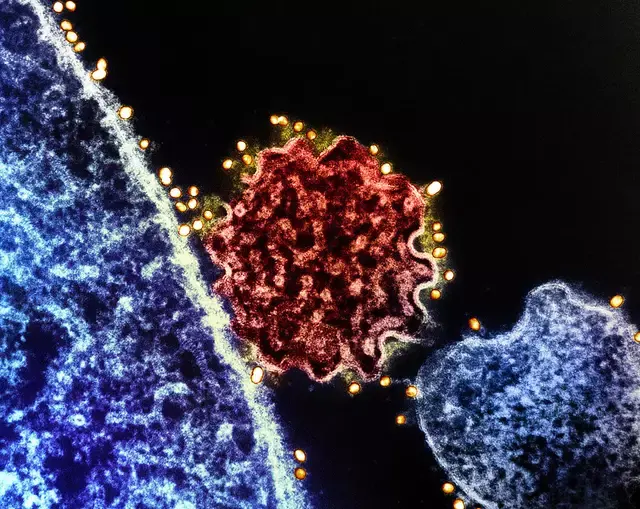
Dr Seethu Ponnu Thampi has dealt with an outbreak of the virus before.
Dr Seethu Ponnu Thampi has dealt with an outbreak of the virus before (NIH-NIAID/Image Point FR/BSIP/Universal Images Group via Getty Images)

Advice for high-risk areas

Experts recommend increased caution in regions experiencing outbreaks. This includes avoiding areas with dense vegetation where fruit bats are known to gather and being vigilant about hygiene and food safety.

Healthcare professionals working in affected areas are advised to use appropriate protective equipment and follow strict infection control protocols.

Why early action matters

Specialists emphasize that Nipah outbreaks tend to spread less during the virus’s incubation period, offering a narrow but valuable window for containment.

Airport screening, public awareness, and rapid isolation of suspected cases are seen as key tools to prevent wider transmission. While these measures may feel familiar after COVID-19, health officials say they are necessary when dealing with high-risk viruses.

A cautious but measured response

Public health experts stress that while Nipah is dangerous, it is not easily transmissible on the same scale as respiratory viruses like COVID-19.

Still, the combination of high fatality rates and the absence of a cure means even small outbreaks are taken seriously. For now, authorities say vigilance — not panic — is the most appropriate response.

Health Disclaimer

This article is for informational purposes only and is not intended as medical advice. Always consult a qualified healthcare professional or official health authority for guidance on infectious diseases or symptoms.

Featured Image Credit: Facebook/SuvarnabhumiAirport

Topics: NewsWorld NewsCoronavirus

Experts Warn One Embarrassing Symptom Could Require Immediate Medical Advice

Many serious health conditions don’t begin with dramatic warning signs.
Instead, they often start quietly, with symptoms that are easy to dismiss or feel awkward to talk about.

Health experts are now urging people not to ignore one such symptom, warning that it could be an early sign of cervical cancer and should prompt immediate medical advice.

Why subtle symptoms are easy to miss

Cancer symptoms frequently overlap with those of far less serious conditions.
That overlap is one reason early diagnosis can be challenging.

Doctors say knowing what to look out for — and acting when something feels different — can make a critical difference, especially with cancers that may show few signs at first.

The specific cancer experts are highlighting

In this case, specialists are focusing on cervical cancer.
It typically develops in one of two forms: squamous cell carcinoma or adenocarcinoma.

Both types can progress silently in their earliest stages, which is why awareness of unusual symptoms is so important.

Spotting cancer early is hugely important.
Spotting cancer early is hugely important (Alvaro Medina Jurado/Getty)

The ‘embarrassing’ symptom doctors say not to ignore

According to guidance referenced by leading medical authorities, one key symptom is unusual vaginal discharge.

This may appear watery or bloody, feel heavier than normal, or have an unpleasant odor.
While many people feel uncomfortable raising this with a doctor, experts stress that it should never be ignored.

Healthcare professionals emphasize that embarrassment should not delay medical advice, particularly when the symptom is persistent or unexplained.

Why early action matters

Cervical cancer outcomes are strongly linked to how early the disease is detected.
When identified sooner, treatment options are often more effective and less invasive.

Doctors note that early-stage cervical cancer may cause few or no symptoms at all, making any noticeable change — even a subtle one — worth checking.

Other symptoms that may appear

While unusual discharge is a key warning sign, it is not the only one experts associate with cervical cancer.

Other symptoms can include vaginal bleeding after sex, bleeding between periods, or bleeding after menopause.
Some people may also experience pelvic pain, pain during sex, or periods that become heavier, longer, or more painful than usual.

Why change is the biggest red flag

Many of these symptoms can also be linked to non-cancerous conditions such as fibroids or endometriosis.
What matters most, doctors say, is change.

A sudden shift from what is normal for you — especially without a clear explanation — should always be discussed with a healthcare professional.

Spotting cancer early could save your life.
Spotting cancer early could save your life (Pramote Polyamate/Getty)

The role of HPV in cervical cancer

Experts also highlight the link between cervical cancer and the human papillomavirus (HPV).
There are more than 100 types of HPV, and around a dozen are known to increase cancer risk.

Monitoring sexual health, attending routine screenings, and receiving the HPV vaccine where eligible are all considered key tools in reducing risk.

A message doctors want people to hear

Medical professionals stress that no symptom is “too embarrassing” to raise.
They also remind patients that doctors are trained to handle sensitive issues professionally and without judgment.

Spotting potential problems early could be life-saving — and that makes speaking up worth it.

Health Disclaimer

This article is for informational purposes only and is not intended as medical advice. Always consult a qualified healthcare professional if you notice new, unusual, or persistent symptoms.

Featured Image Credit: Getty Stock Images

Topics: CancerHealthNewsWorld NewsCommunity

    Doctors Urge People to Stop Taking Vitamin D If They Have These Four Symptoms

    Vitamin D supplements have become a winter staple for millions of people. With less sunlight available during colder months, health officials often recommend topping up to support bone and muscle health.

    But doctors are now reminding the public that more is not always better. If certain symptoms appear after starting or increasing vitamin D supplements, experts say it may be time to stop and reassess.

    The warning is aimed at preventing unintended side effects linked to taking too much of the vitamin.

    Why vitamin D is widely recommended

    Vitamin D plays a key role in maintaining healthy bones, teeth, and muscles. During autumn and winter, sunlight alone is usually not enough for the body to produce sufficient levels.

    Health guidance in the UK has long advised adults to consider a daily supplement of 10 micrograms during these months. Supplements are widely available and often taken without medical supervision.

    That accessibility, experts say, can sometimes lead people to exceed recommended amounts without realizing it.

    Nausea is never fun, is it?
    Nausea is never fun, is it? (Getty Stock Photo)

    When supplementation can become a problem

    While vitamin D is essential, taking excessive amounts over time may disrupt the body’s balance of calcium and fluids. This can trigger a range of symptoms that are easy to overlook or misattribute.

    Doctors stress that supplements should be treated with the same caution as medicines, particularly when taken daily.

    Certain physical signals may indicate that vitamin D intake is no longer helping and could be doing harm.

    Digestive discomfort and nausea

    One of the earliest signs linked to excessive supplementation can be digestive upset. This may include nausea, burping, stomach pain, or general discomfort.

    Experts note that some formulations, such as sprays or gummies, contain sweeteners that may irritate the digestive system. Switching to a standard tablet taken with food may reduce mild symptoms.

    However, persistent nausea after supplement use should not be ignored.

    Increased thirst and frequent urination

    Another warning sign is constant thirst accompanied by more frequent trips to the bathroom. Doctors explain that too much vitamin D can interfere with how the body regulates fluids and salts.

    This imbalance may cause dehydration-like symptoms, even when fluid intake seems normal.

    If these changes appear soon after increasing vitamin D intake, specialists advise stopping the supplement and seeking medical advice.

    Difficulty thinking clearly

    Brain fog, headaches, or difficulty concentrating are also being highlighted as possible signs of excess intake. While vitamin D is often associated with improved wellbeing, too much may have the opposite effect.

    Experts say these symptoms can be subtle and are sometimes blamed on stress, fatigue, or seasonal illness.

    Noticing a clear link between supplement use and mental clarity changes is an important signal.

    It may be because of your dose of vitamins...
    It may be because of your dose of vitamins… (Getty Stock Photo)

    Bone and muscle pain

    Ironically, bone and muscle pain can also be a symptom of taking too much vitamin D. Doctors say this can happen when calcium levels in the body become unbalanced.

    Persistent aches or cramps appearing after starting supplements may indicate the body is reacting poorly.

    Reducing intake and staying hydrated may help, but ongoing pain should be assessed by a healthcare professional.

    What doctors are advising

    Biomedical scientists and clinicians are urging people to pay attention to how their bodies respond to supplements. Symptoms that appear soon after starting or increasing vitamin D should not be dismissed.

    Experts emphasize that many people accidentally exceed recommended doses, particularly when using multiple supplements or fortified products.

    The key message is moderation and awareness, rather than avoiding vitamin D altogether.

    Putting safety first

    For most people, vitamin D supplements taken at appropriate doses are safe and beneficial. Problems typically arise when intake exceeds guidance over time.

    Doctors recommend checking supplement labels carefully and avoiding combining products without advice.

    If symptoms develop, stopping the supplement and consulting a healthcare professional can help determine whether vitamin D is the cause.

    A reminder about supplements

    Vitamin supplements are often seen as harmless, but they can have real effects on the body. Treating them with the same caution as prescribed medication can help reduce unnecessary risks.

    Listening to early warning signs, experts say, is one of the simplest ways to stay safe.

    Health Disclaimer
    This article is for informational purposes only and is not intended as medical advice. Always consult a qualified healthcare professional before making any changes to your health, diet, or treatment.

    Featured Image Credit: Getty Stock Images

    Topics: HealthNHSScienceWeather

    Scientists Achieve Complete Tumor Disappearance in Pancreatic Cancer Mouse Study

    Pancreatic cancer remains one of the most difficult cancers to treat. Survival rates are low, and treatment options are limited, leaving patients and families with few reasons for optimism.

    That is why a new study from Spain is drawing attention across the scientific community. Researchers say they have achieved the complete and lasting disappearance of pancreatic tumors in mice using an experimental treatment approach.

    While the findings are early and limited to laboratory models, experts say the results are unlike anything previously reported.

    Why pancreatic cancer is so challenging

    Pancreatic cancer is often diagnosed late, when the disease has already advanced. According to major cancer research organizations, fewer than one in ten patients survive more than five years after diagnosis.

    One of the main reasons is the cancer’s resistance to treatment. Tumors adapt quickly, making many therapies less effective over time.

    This resistance has been a major obstacle for decades, particularly in cancers driven by specific genetic mutations.

    The new study focuses on the KRAS oncogene, a genetic mutation found in around 90 percent of pancreatic cancer cases.

    KRAS plays a key role in driving tumor growth. Scientists have long tried to target it, but success has been limited because tumors often find ways around single-drug treatments.

    Previous attempts showed initial promise, only for the cancer to return within months.

    Instead of targeting KRAS in one way, the Spanish research team used a combination of three drugs designed to block the gene at multiple points.

    The idea was to make it harder for the tumor to adapt. By attacking the cancer from several angles at once, researchers hoped to prevent resistance from developing.

    This multi-layered approach is what sets the study apart from earlier efforts.

    The study saw tumors reduced in mice.
    The study saw tumors reduced in mice (Getty Stock Image)
    What the study found

    When tested in mice with pancreatic cancer, the treatment led to a complete elimination of tumors. Even more striking, the tumors did not return after treatment ended.

    Researchers reported no major side effects in the animals, an important factor when considering future development.

    In their published findings, the scientists described the results as a potential pathway toward designing new combination therapies for pancreatic cancer.

    Why the findings matter

    Permanent tumor disappearance is rarely seen in pancreatic cancer research, even in animal models. That is why the study has generated cautious optimism.

    The lead researcher, Dr Mariano Barbacid, is well known for his work in cancer genetics, including the identification of the first human oncogene.

    Experts say the team’s reputation and the rigor of the study add weight to the findings, even at this early stage.

    Important limitations to note

    Despite the excitement, researchers are clear about the study’s limits. The treatment has not been tested in humans, and clinical trials are not yet underway.

    Dr Barbacid has emphasized that translating the findings to human patients will not be simple. Human biology is more complex, and treatments that work in mice often fail in clinical settings.

    The study is best viewed as a foundation rather than a finished solution.

    What happens next

    The researchers say their findings could guide the development of future clinical trials. Before that can happen, additional laboratory studies are needed to confirm safety and effectiveness.

    Regulatory approval, dosage testing, and long-term monitoring would all be required before human trials could begin.

    Still, experts say the approach offers a promising direction for future pancreatic cancer research.

    Why cautious optimism matters

    Breakthroughs in cancer research often come in small steps rather than sudden cures. While headlines may focus on dramatic results, scientists stress the importance of measured expectations.

    This study does not mean pancreatic cancer has been cured. It does suggest, however, that new strategies may be able to overcome obstacles that once seemed insurmountable.

    For a disease with so few effective options, that alone represents meaningful progress.

    A hopeful signal for the future

    Pancreatic cancer has long been associated with grim statistics and limited advances. Studies like this show that innovation is still happening behind the scenes.

    Researchers around the world continue to explore new ways to target aggressive cancers at their genetic roots.

    While patients will need to wait for further developments, the study offers a rare note of hope in a field where breakthroughs are hard won.

    Health Disclaimer
    This article is for informational purposes only and is not intended as medical advice. Always consult a qualified healthcare professional before making any changes to your health, diet, or treatment.

    Featured Image Credit: Getty Stock Images

    Topics: CancerHealthScience

    Shocking Simulation Shows What Really Happens When You Pluck a Hair From Your Skin

    It’s a familiar moment. You spot a sharp, stubborn hair poking out of place and reach for the tweezers without thinking twice.

    The result is instant satisfaction. Smooth skin, problem solved. But a viral simulation is now making people pause before that reflexive pluck, revealing what actually happens beneath the surface of the skin.

    The animation, shared online by popular science creator Zackdfilms, offers a close-up look at the process most people never see.

    Looking beyond the surface

    When a hair is plucked, it feels simple. A quick pull and the hair is gone.

    The simulation shows that the process is anything but gentle. Instead of removing just the visible strand, plucking yanks out the entire hair root from deep within the follicle.

    That forceful removal can disturb the delicate structure that controls how hair grows back. Hair follicles are small but complex. They guide the direction and pattern of hair growth. According to the simulation, plucking can damage the follicle wall. When that happens, the new hair may not grow straight upward as intended.

    Instead, it can emerge at an angle, setting the stage for irritation beneath the skin.

    The animation follows what happens next. A new hair begins to grow, but rather than breaking through the skin, it curls inward.

    Trapped below the surface, the hair continues to grow, creating pressure and inflammation. This is how an ingrown hair develops.

    What started as a barely noticeable stray hair can turn into a red, swollen bump that draws far more attention than the original problem.

    That's not what you want your hair to look like.
    That’s not what you want your hair to look like (YouTube/zackdfilms)
    Why ingrown hairs can be uncomfortable

    Medical experts explain that ingrown hairs often come with irritation, itching, and tenderness. In some cases, the area can become discolored or painful to touch.

    The Cleveland Clinic notes that anyone who removes hair by plucking or waxing can develop ingrown hairs. Shaving can cause them too, especially when hair grows back unevenly.

    Repeated irritation increases the likelihood of inflammation.

    The risk of repeated plucking

    The simulation also highlights a longer-term effect. Repeatedly plucking the same area can cause cumulative damage to the follicle.

    Over time, follicles may struggle to produce hair normally. In some cases, hair may stop growing altogether in that spot.

    While that might sound appealing to some, experts caution that damaged follicles don’t always heal cleanly, and skin texture can change unpredictably.

    Why plucking feels harmless

    Part of the reason people underestimate plucking is because the effects aren’t immediate. Many get away with it for years without obvious issues.

    But the simulation suggests that irritation builds gradually. Each pluck adds a small amount of trauma beneath the skin.

    Eventually, the body responds, often in ways that are more noticeable and uncomfortable than the hair ever was.

    What medical guidance says

    Health authorities stress that ingrown hairs are usually not dangerous, but they can be bothersome. Symptoms may include small raised bumps, redness, itching, and mild pain.

    In most cases, doctors recommend leaving the area alone and allowing the hair to grow out naturally. Applying warm compresses may help open pores and reduce discomfort.

    Picking at or repeatedly removing the hair can worsen irritation.

    Why the simulation struck a nerve

    What makes the video unsettling is its realism. By visualizing layers of skin, follicles, and regrowth, it turns a routine beauty habit into something far more tangible.

    Viewers aren’t being told to stop plucking entirely. Instead, the simulation encourages awareness of what the skin endures during the process.

    For many, seeing the hidden damage is enough to rethink how often they reach for the tweezers.

    Rethinking a common habit

    Hair removal is a personal choice, and plucking will likely remain part of many routines.

    But the simulation serves as a reminder that even small actions can have consequences beneath the surface. Moderation, proper skin care, and paying attention to irritation may help reduce unwanted side effects.

    Sometimes, the smallest habits reveal the biggest surprises when you look just a little deeper.

    Health Disclaimer
    This article is for informational purposes only and is not intended as medical advice. Always consult a qualified healthcare professional before making any changes to your health, diet, or treatment.

    Featured Image Credit: YouTube/@zackdfilms92

    Topics: YouTubeBeauty

    Health Officials Warn Weight Loss Jabs May Be Linked to Rare but Serious Side Effect

    Weight loss injections have become widely used in recent years, helping millions of people manage diabetes and reduce body weight. For most patients, health authorities say these medications are safe and effective when prescribed correctly.

    But UK officials are now urging caution after updating safety information to highlight a rare side effect that, in severe cases, can be life-threatening.

    The warning focuses on GLP-1 medications, a class of drugs that includes treatments commonly used for weight management and type 2 diabetes.

    Why health officials issued a new warning

    On January 29, the UK’s Medicines and Healthcare products Regulatory Agency (MHRA) announced changes to the product information for all GLP-1 receptor agonists and related combination drugs.

    The update was made to draw attention to the potential risk of acute pancreatitis, an inflammation of the pancreas that can become serious if not identified early.

    Health officials stressed that the move is about awareness rather than alarm, aimed at ensuring both doctors and patients recognize symptoms promptly.

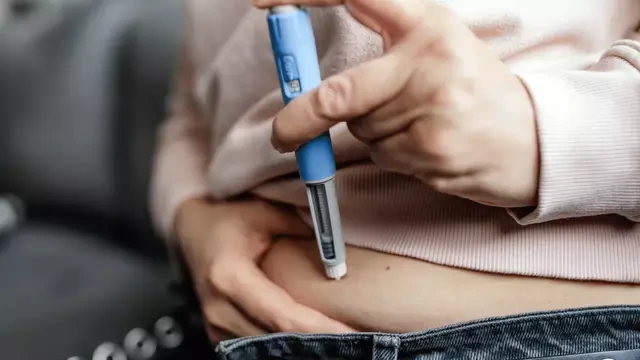
    Millions of people across the globe use GLP-1 medications.
    Millions of people across the globe use GLP-1 medications (Getty Stock Photo)
    What the MHRA data shows

    According to the MHRA, between 2007 and October 2025 it received 1,296 reports of pancreatitis linked to GLP-1 and GLP-1/GIP medications through its Yellow Card reporting system.

    Of those reports, 19 cases were fatal, and 24 involved a severe form known as necrotising pancreatitis. Officials noted that while pancreatitis is already a recognized side effect, some reported cases were unusually severe.

    The agency said the updated guidance better reflects the potential seriousness of these rare outcomes.

    Understanding acute pancreatitis

    Acute pancreatitis occurs when the pancreas becomes inflamed, leading to swelling and pain. According to major medical authorities, the condition can range from mild to severe.

    In serious cases, pancreatitis can cause complications affecting other organs, including the kidneys and lungs. One particularly dangerous complication is necrotising pancreatitis, where parts of the pancreas begin to die.

    Because early symptoms can overlap with other digestive issues, the condition can sometimes be difficult to identify at first.

    Abdominal pain, nausea or vomiting are all symptoms of pancreatitis.
    Abdominal pain, nausea or vomiting are all symptoms of pancreatitis (Getty Stock Photo)
    Symptoms officials want people to watch for

    Health officials are advising patients and healthcare professionals to remain alert to possible warning signs.

    Symptoms may include persistent abdominal pain, which can radiate to the back, and may be accompanied by nausea or vomiting. The pain is often described as severe and does not ease easily.

    Patients are encouraged to speak to a healthcare professional if they experience ongoing or worsening symptoms while taking GLP-1 medications.

    Guidance for doctors and patients

    The MHRA has advised healthcare professionals to stop treatment with GLP-1 or GLP-1/GIP receptor agonists if pancreatitis is suspected.

    Officials emphasized that early recognition plays an important role in reducing the risk of complications. The update is intended to support better decision-making rather than discourage appropriate use.

    Both patients and clinicians are also encouraged to report suspected side effects through established monitoring systems.

    What experts say about overall safety

    Dr Alison Cave, the MHRA’s chief safety officer, has stressed that for the vast majority of patients, GLP-1 medications remain safe and effective.

    She noted that the risk of developing severe pancreatitis is very small, but awareness of symptoms is essential. Experts agree that informed use is key to maintaining patient safety.

    Drug manufacturers, including those behind Ozempic, Wegovy, and Mounjaro, have echoed that message, stating they continue to monitor safety data closely and work with regulators worldwide.

    Doctors and patients have been urged to stay vigilant.
    Doctors and patients have been urged to stay vigilant (Getty Stock Photo)
    Putting the risk into perspective

    Millions of people globally use GLP-1 medications without experiencing serious complications. Health authorities say the benefits of these treatments often outweigh the risks when prescribed and monitored appropriately.

    Still, rare side effects can occur with almost any medication. What matters most, experts say, is ensuring that patients know when something doesn’t feel right and feel confident raising concerns.

    The MHRA’s update serves as a reminder that even widely used treatments require ongoing monitoring as their use expands.

    Why awareness matters

    As weight loss injections become more common, health officials say clear communication around risks is essential. Recognizing symptoms early can make a critical difference in outcomes.

    For patients, the message is not one of fear, but of vigilance. For clinicians, it is a call to remain attentive as prescribing patterns evolve.

    Increased awareness, officials say, helps ensure these medications continue to be used safely while delivering benefits to those who rely on them.

    Health Disclaimer
    This article is for informational purposes only and is not intended as medical advice. Always consult a qualified healthcare professional before making any changes to your health, diet, or treatment.

    Featured Image Credit: Getty Stock

    Featured Image Credit: Getty Stock

    Topics: OzempicWeight lossHealth