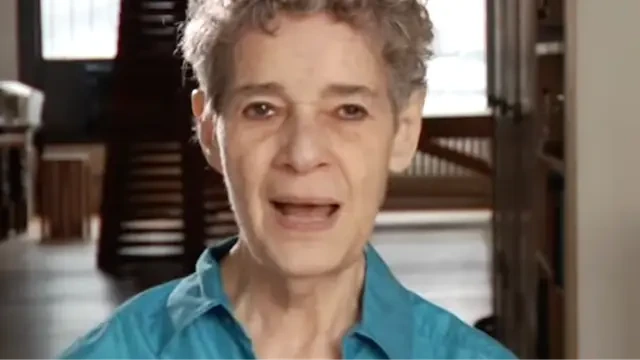
A New York-based artist known for her distinctive wooden sculptures has died at 95 after choosing medical aid in dying outside the United States.
Jackie Ferrara’s death was confirmed by her estate and legacy adviser, Tina Hejtmanek, who said Ferrara died on Wednesday, October 22, through an assisted-dying process.
Her decision has drawn attention not only because of her age and career, but because Ferrara had recently described herself as being in “good health” while also saying she felt prepared to leave.
Who was Jackie Ferrara?
Ferrara built a reputation for creating sculptural works in wood, often described as precise and quietly powerful.
In recent interviews, she spoke candidly about aging and independence, suggesting she wanted control over what the later years of life looked like for her.
Those close to her described her as direct, practical, and determined—traits that also shaped how she approached her final decision.
Why her death could not happen under most US “MAID” laws
In parts of the United States, medical aid in dying (often shortened to MAID) is legal under strict conditions.
In the jurisdictions that allow it, the standard framework generally requires that a person be terminally ill and expected to live six months or less. Patients must also meet other eligibility requirements and follow a regulated request process.
Ferrara did not describe herself as terminally ill. That meant she would not have qualified under the most common US legal thresholds for medical aid in dying.
Why Switzerland is different
Instead, Ferrara traveled to Basel, Switzerland, to a clinic called Pegasos, according to reporting by PEOPLE.
Assisted dying has been legal in Switzerland for decades, dating back to 1942, and the country is known for allowing assistance under conditions that differ from many other nations. One key point often cited is the distinction between assisted dying and euthanasia: in Switzerland, the final act is typically performed by the person themselves, rather than administered by a clinician.
That legal structure has made Switzerland a destination for some people who do not meet the requirements in their home countries.
What Ferrara said about aging and independence
Ferrara’s comments in recent months framed her decision less as a reaction to a medical crisis and more as a personal boundary around dependence.
She reportedly referenced recent falls and the possibility of needing increasing support. In one remark, she said she didn’t want a housekeeper, and suggested she had lived her life on her own terms.
The theme running through her statements was control: not a desire to escape illness, but a desire to avoid a future she felt would reduce her autonomy.
A wider conversation about end-of-life choice
Cases like Ferrara’s tend to reopen a difficult debate: what counts as suffering, and who gets to define it?
Supporters of expanded assisted-dying laws often argue that quality of life and personal dignity should matter alongside medical prognosis. Critics argue that loosening standards risks normalizing death as a response to non-terminal challenges, especially in older age, disability, or social vulnerability.
Ferrara’s situation sits in the middle of that tension, because it does not fit the most familiar public narrative of terminal illness.
Another recent assisted-dying case highlighted in the report
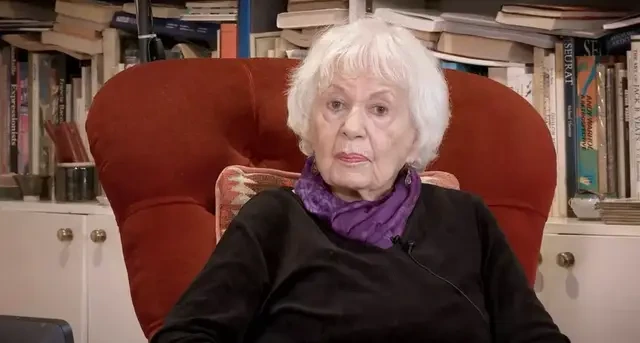
The story also referenced Ruth Posner, a Holocaust survivor, who died by assisted suicide in Switzerland earlier in 2025 alongside her 97-year-old husband, Michael.
In that case, the couple reportedly informed family and friends via an email that was scheduled to arrive after their deaths. They described living a long life together and said they felt that declining senses and energy had shifted life from “living” to “existing.”
It was presented as a mutual decision, made without outside pressure.
What happens next
Ferrara’s death is likely to continue prompting questions about how countries draw legal lines around end-of-life options—and how those lines match the realities of aging.
For some, her choice will read as an assertion of independence. For others, it will raise ethical unease about what society signals when a person can seek assisted dying while not terminally ill.
Either way, Ferrara’s story is now part of a broader global debate that shows no sign of settling.
Featured Image Credit: Museum of Arts and Design via YouTube
Topics: Art, World News, US News, Health
