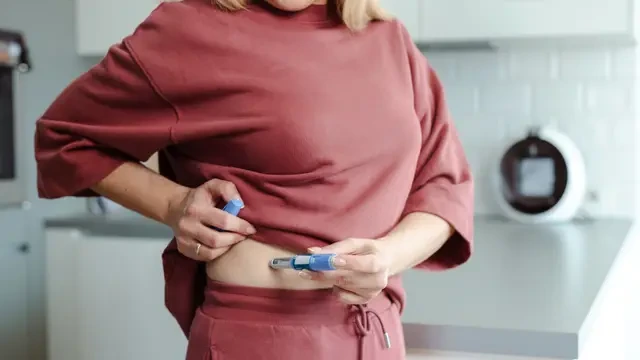
For many people using weight loss medications, appetite changes are expected. What isn’t expected is what might happen after a glass of wine.
New research suggests that popular GLP-1 receptor agonists — including drugs sold under names like Wegovy and Mounjaro — may alter how the body absorbs alcohol and how intoxication feels.
Why researchers looked at alcohol in the first place
Doctors have long noticed that some patients on GLP-1 medications report drinking less.
These drugs, often prescribed for obesity and type 2 diabetes, work by mimicking hormones that regulate appetite and blood sugar. They also slow gastric emptying, meaning food moves more slowly from the stomach into the small intestine.
Researchers at Virginia Tech’s Fralin Biomedical Research Institute wanted to understand whether that delayed digestion could also change how alcohol enters the bloodstream.

Inside the small but revealing study
The study, published in Scientific Reports, involved 20 adults with obesity. Half had been taking a GLP-1 receptor agonist for at least four weeks. The other half were not using the medication.
Participants fasted overnight. They then ate the same standardized snack before consuming carefully measured alcoholic drinks designed to raise breath alcohol concentration to about 0.08 — the legal driving limit in many regions.
Over the next four hours, researchers measured breath alcohol levels, blood sugar, nausea, cravings, and how intoxicated participants said they felt.
A slower rise in alcohol levels
Here’s where things got interesting.
Participants taking GLP-1 medications showed a slower increase in breath alcohol concentration during the first 10 to 20 minutes. Overall levels remained lower throughout the testing period compared to those not on the medication.
They also reported feeling less intoxicated early on.
Researchers say this likely reflects delayed alcohol absorption. Because GLP-1 drugs slow how quickly the stomach empties, alcohol may take longer to move into the small intestine, where most absorption occurs.
In simple terms, alcohol may hit the bloodstream — and the brain — more gradually.
Could this reduce alcohol cravings?
Some participants taking the medication also reported reduced cravings for alcohol.
Scientists believe the mechanism may go beyond digestion alone. GLP-1 receptor agonists interact with brain pathways linked to reward and impulse control.
That matters because faster-acting substances tend to produce stronger reinforcement in the brain. A slower onset may blunt some of alcohol’s rewarding effects.
However, researchers caution that this was a small preliminary study. It does not prove these medications treat alcohol use disorder, and more research is needed to understand long-term effects.
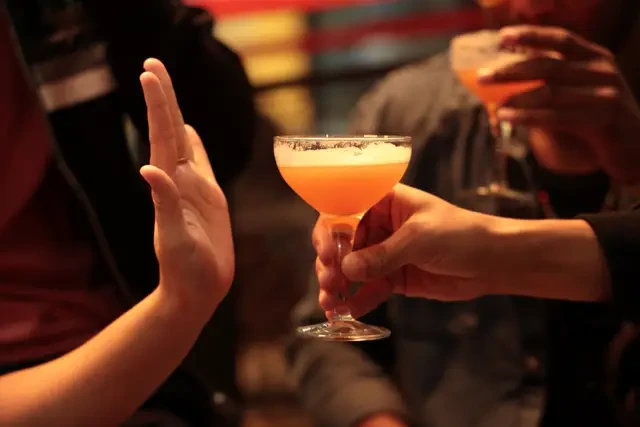
A potential double-edged sword
Not all experts see the findings as straightforwardly positive.
Some have suggested that if people feel less of an initial “buzz,” they might drink more to compensate. Slower onset does not eliminate alcohol’s risks, and delayed intoxication could create a false sense of control.
Researchers emphasized that questions remain about ideal dosing, duration of use, and how different GLP-1 drugs compare.
What this means for patients
The takeaway isn’t that alcohol becomes harmless while on weight loss drugs.
Instead, the study highlights that weight loss drugs and alcohol may interact in ways people don’t expect. Delayed absorption could change how quickly someone feels intoxicated, but it does not remove alcohol from the body or eliminate potential harm.
As GLP-1 receptor agonists become more widely used, understanding these secondary effects becomes increasingly important.
Researchers say larger trials will be needed to clarify whether these medications meaningfully influence long-term drinking patterns — and whether that effect could be helpful or problematic depending on the individual.
For now, the findings add another layer to how powerful these medications can be. They don’t just affect appetite and blood sugar. They may also change how the body responds to alcohol.
Featured Image Credit: Getty Images