McDonald’s Coke and fries for migraines: what doctors say

When a migraine hits, people will try almost anything to make the pain stop.

That’s part of why a TikTok trend has taken off around an oddly specific “remedy”: a large Coca-Cola and fries from McDonald’s.

Fans call it the “McMigraine meal,” and many swear it works when over-the-counter medication doesn’t.

Where the ‘McMigraine meal’ came from

The idea gained traction after users started comparing notes online.

One question keeps popping up: why would fast food relieve a migraine better than a pharmacy run?

It’s a fair question — and doctors say there may be a few reasons it helps some people, at least temporarily.

The ‘McMigraine’ – a large Coke and fries (Jakub Porzycki/NurPhoto via Getty Images)

A doctor’s four-part explanation

Dr Myro Figura has offered a simple breakdown for why the combo might take the edge off.

First, he suggested there’s a comfort factor. Eating something familiar can boost mood, which may make symptoms feel more manageable.

Second is the caffeine. A large Coke contains a meaningful dose of caffeine, which can help headaches for some people and is also found in certain migraine medications.

Third is the salt. Fries bring a lot of sodium, and if dehydration is part of the problem, salty food paired with fluid may help restore balance.

Finally, there’s the sugar and carbs. For people whose migraines are triggered by low blood sugar, a fast hit of carbs may reduce symptoms.

Why caffeine can feel like a “switch”

Caffeine is a complicated player in migraine.

In the short term, it can help some people by tightening blood vessels and boosting the effect of certain pain relievers. That’s one reason it shows up in some headache products.

But it can also backfire. Regular caffeine use can lead to withdrawal headaches, and too much can become a trigger for some migraine sufferers.

Another specialist urges caution

David Walker, MD, a headache and facial pain specialist at Rush University Medical Center, has also weighed in on the trend.

He’s acknowledged that caffeine can be helpful for short-term migraine relief, so it isn’t shocking that a Coke could make a difference for some people.

At the same time, he’s warned against treating the fast-food combo like a universal solution. Fried foods can trigger migraines in certain individuals, and expectations and comfort can influence how symptoms are felt.

Why it won’t work for everyone

Migraines aren’t one single condition with one single cause.

Dehydration, skipped meals, stress, sleep disruption, hormones, and specific foods can all play a role. What helps one person might do nothing for someone else — or even make things worse.

That’s why doctors generally frame this as an occasional, situational tool, not a replacement for medical care.

When to take migraines seriously

If you’re getting frequent migraines, worsening symptoms, or headaches that interfere with daily life, it’s worth speaking to a clinician.

A one-off “hack” might bring short relief, but it won’t address recurring triggers or rule out other issues.\

Featured Image Credit: Getty Stock Images / Jakub Porzycki/NurPhoto via Getty Images

Topics: HealthMcDonaldsTikTokFood and Drink

What Happens When You Quit Sugar for 7 Days, Explained

Cutting back on sugar sounds simple on paper. In real life, it can feel like your body has other ideas.

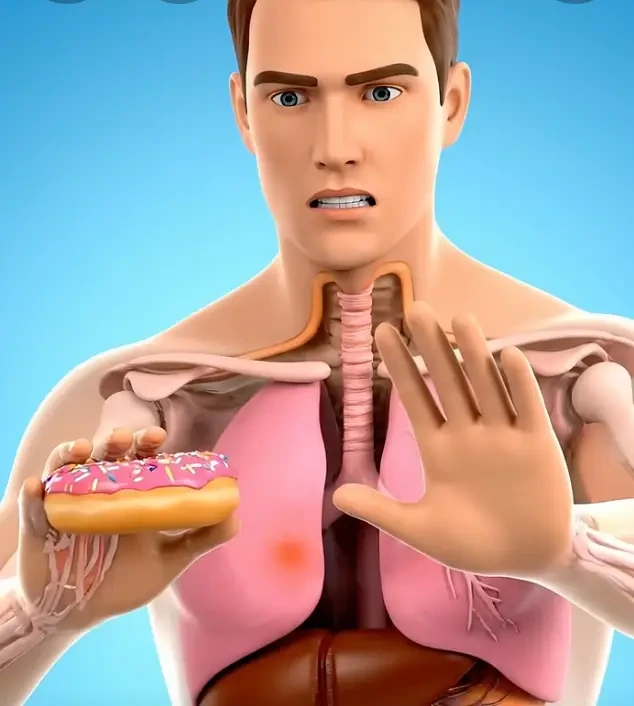
A new simulation video circulating on YouTube claims the first week without sugar can bring a wave of physical and mental changes, especially for people who are used to sweet snacks, sugary drinks, and ultra-processed foods as daily staples.

The point isn’t that sugar is “poison,” or that having dessert means you’ve failed. It’s that for some people, going from “a lot” to “none” can be a jolt.

Why quitting sugar can feel harder than expected

Sugar is tied to habit, convenience, and comfort. It shows up in obvious places like candy, soda, and baked goods, but also in foods people don’t always think of as “sweet.”

That matters because many people don’t notice how often they’re reaching for something sugary until they try to stop. The simulation suggests that sudden removal can trigger a short-term crash in mood and energy, which is often what drives people back to old routines.

Trying to cut out sugar can be more difficult than you might think.
Trying to cut out sugar can be more difficult than you might think (Untold_Healing/YouTube)

Days 1–2: cravings, headaches, and mood swings

According to the video, the first 48 hours are the roughest for cravings. This is where people may feel restless, irritable, and unusually tired.

The simulation describes this stage as a withdrawal-like period, with common complaints including headaches, fatigue, and mood swings. Not everyone experiences it, but it’s a pattern that comes up often in personal reports and in discussions around cutting back on highly palatable foods.

Some experts who work in addiction recovery have also noted that people who feel dependent on sugar sometimes report unpleasant early symptoms when they reduce it quickly.

Days 3–4: the “fog” starts to lift

The simulation’s midweek message is more encouraging. By days three and four, it claims many people notice steadier energy and fewer dramatic slumps.

If someone is used to an afternoon crash, the video suggests that pattern may soften once the daily sugar spikes and dips calm down. It also frames this period as one where cravings become less constant, even if they still pop up.

This is also where some people say they start noticing changes in appetite cues—like feeling hungry more gradually, rather than suddenly needing a quick hit of something sweet.

Days 5–7: sleep shifts and visible changes

By the end of the week, the simulation claims people may notice improvements that feel more “whole body” than just appetite.

It suggests sleep quality can improve and sugar cravings can become less intense. The video also claims some people see reduced puffiness and fewer breakouts, framing it as a decrease in inflammation-related effects.

It’s important to treat these as possible experiences, not guarantees. Skin changes, in particular, can be influenced by many factors, including hydration, stress, hormones, and overall diet quality.

Experts have noted common withdrawal symptoms include anxiety and mood swings, as well as having headaches .
Experts have noted common withdrawal symptoms include anxiety and mood swings, as well as having headaches (Untold_Healing/YouTube)

The brain chemistry angle experts talk about

One reason sugar can be tough to cut is how strongly it can reinforce reward patterns.

Some experts point to dopamine, a neurotransmitter involved in motivation and reward. Highly sweet foods can feel satisfying fast, and that immediate payoff can make the habit stick—especially when someone is stressed, tired, or using food as a coping tool.

That doesn’t mean sugar is inherently “addictive” in the same way as drugs for every person. But it can help explain why some people feel irritable or low when they suddenly remove a big source of daily reward.

What to keep in mind before trying a sugar reset

Health authorities like the CDC and WHO have long emphasized limiting added sugars as part of an overall healthy eating pattern. But “quitting sugar” can mean different things depending on the person.

For some, it means cutting soda and candy. For others, it might mean being more aware of added sugars in packaged foods. And for people with diabetes or other medical conditions, any major dietary change can carry extra considerations.

Featured Image Credit: Untold_Healing/YouTube

Topics: NewsUS NewsHealthFood and Drink

Expert Guide: How Much Water to Drink Each Day by Age

Why hydration needs change with age

Water is easy to overlook.
With coffee in the morning, fizzy drinks at lunch, and another caffeine boost in the afternoon, plain water often takes a back seat.

But health experts say hydration plays a far bigger role in daily wellbeing than many people realize. From brain function to temperature control, water supports nearly every system in the body.

According to research cited by the University of California, water helps deliver nutrients to cells, remove waste, protect joints and organs, and regulate body temperature. That’s why experts consistently recommend water as the default drink of choice.

While general guidelines suggest men aim for around 13 cups of fluids per day and women about nine, those figures don’t tell the full story. Age, growth, metabolism, and lifestyle all influence how much water the body actually needs.

Speaking to UK media, medical expert Dr Jonathan Webster explained how hydration requirements shift throughout life — and why many people may be falling short.

Water is vital to our health.
Water is vital to our health (Getty Stock Images)

Teenagers and rapid growth

Teenagers have higher water needs due to growth spurts, hormonal changes, and increased physical activity.

For boys aged 14 to 18, the recommendation is 1.6 to 1.9 liters per day.
Girls in the same age group should aim for around 1.5 liters daily.

Adequate hydration helps maintain energy levels, supports muscle function, and aids metabolism during this critical stage of development.

Children aged 4 to 8

Young children need consistent hydration to support growth and development.
Dr Webster advises that children in this age range should drink around 1.2 liters of water per day, which equals roughly six to eight small glasses.

Hydration at this stage supports brain function, digestion, and temperature regulation. Because children may not always recognize thirst, regular reminders are important.

Children need to be drinking around 1.2 liters of water a day.
Children need to be drinking around 1.2 liters of water a day (Getty Stock Images)

Adults under 60

Hydration becomes especially important in adulthood as work, exercise, and stress increase demands on the body.

Women under 60 are generally advised to drink around 1.6 liters per day, while men should aim for about 2 liters.

Dr Webster notes that proper hydration supports kidney function, concentration, and temperature control. However, individual needs may rise with exercise, hot climates, or diets high in salt or protein.

Adults over 60 and dehydration risk

Older adults are particularly vulnerable to dehydration.
As people age, the body’s thirst response becomes less sensitive, meaning they may not feel thirsty even when fluid levels are low.

Experts recommend adults over 60 continue to aim for 1.6 to 2 liters per day, unless otherwise advised by a healthcare professional.

The Mayo Clinic warns that common signs of dehydration include dark urine, reduced urination, fatigue, dizziness, confusion, and dry skin that doesn’t bounce back when pinched.

Adults need to be drinking the most water.
Adults need to be drinking the most water (Getty Stock Images)

Factors that affect individual needs

Water requirements aren’t fixed. Exercise, illness, medication, alcohol intake, and even diet all influence hydration levels.

Foods with high water content — such as fruits, vegetables, and soups — contribute to fluid intake. At the same time, caffeine and alcohol can increase fluid loss if consumed in excess.

Listening to the body and maintaining regular water intake throughout the day is often more effective than relying on thirst alone.

Making water a daily habit

Health experts suggest keeping water easily accessible, pairing drinking water with daily routines, and choosing water over sugary drinks whenever possible.

Small changes can make a noticeable difference in energy, focus, and overall wellbeing.

While exact needs vary, staying consistently hydrated is one of the simplest steps people can take to support long-term health.

Health Disclaimer
This article is for informational purposes only and is not intended as medical advice. Always consult a qualified healthcare professional before making any changes to your health, diet, or treatment.

Featured Image Credit: Getty Stock Images

Topics: Food and DrinkHealthLife

Doctor Reveals Three Actions That Could Make a Difference If You’re Choking Alone

Doctor Reveals Three Actions That Could Make a Difference If You’re Choking Alone

Choking is one of those emergencies people rarely plan for. It often happens suddenly, usually while eating, and most assume someone else will be nearby if things go wrong.

But that isn’t always the case. Doctors say that when choking happens in isolation, awareness and quick thinking can become critical in the moments that follow.

That reality has sparked widespread discussion online after a doctor explained three actions that may help in such a situation, particularly when immediate help is not available.

Why choking remains a serious risk

According to data cited by safety organisations, thousands of people die each year from choking-related incidents. Older adults are considered at higher risk, but experts note that choking can affect people of any age.

Food is the most common cause, especially when eating quickly, talking while chewing, or consuming foods that are difficult to swallow. When a blockage occurs in the airway, oxygen levels can drop rapidly.

That matters because loss of oxygen can lead to unconsciousness within minutes, leaving very little margin for error.

He said to employ 3 tips.
He said to employ 3 tips (Getty Stock Images)

The challenge of being alone during an emergency

In many cases, choking is resolved because someone nearby recognises the signs and intervenes. When no one else is present, the situation becomes far more complex.

Doctors say panic is a natural response, but it can also make it harder to act. This is why emergency physicians often emphasise preparation and general awareness, rather than relying on improvisation under stress.

One doctor who recently addressed the issue online focused on what people might consider if they find themselves alone and unable to breathe properly.

Alerting emergency services early

The first point highlighted by the doctor involved contacting emergency services as quickly as possible, if that is feasible. Even a brief call can start the process of getting help on the way.

Medical professionals note that modern devices, such as smartphones and smartwatches, may make this easier in some circumstances. Starting that chain of response early can buy valuable time, even if further action is still required.

Experts stress that this is about awareness, not guarantees. Outcomes can vary widely depending on the situation.

Using body movement to address an airway blockage

The doctor also discussed methods commonly referenced in first-aid education that involve generating force from the body itself. These approaches are designed to create pressure that may help dislodge an obstruction.

Clinicians explain that such techniques are widely taught in emergency response training, though their effectiveness can depend on factors like strength, positioning, and the nature of the blockage.

What’s often overlooked is that attempting these actions alone can be physically demanding, especially when breathing is already compromised.

You might just save your own life.
You might just save your own life (Getty Stock Images)

Making use of surrounding objects

Another point raised involved using everyday surroundings to assist in creating the necessary motion to clear an airway. Chairs or other stable objects are sometimes mentioned in first-aid contexts for this reason.

Health professionals caution that while these ideas are discussed publicly, they are not substitutes for proper training. They are mentioned to raise awareness of what people might encounter in first-aid guidance, not to replace professional instruction.

The emphasis remains on prevention, preparedness, and knowing when to seek immediate medical attention.

Why awareness matters more than confidence

Doctors are careful to stress that choking emergencies are unpredictable. No single approach works in every case, and attempting to act without understanding the risks can be dangerous.

That is why many clinicians encourage people to take accredited first-aid courses and to be mindful of choking hazards, particularly for children and older adults.

For those who worry about being alone during an emergency, understanding the risks and recognising early warning signs may be just as important as knowing what actions are commonly discussed.

A broader conversation about safety

The discussion has resonated with many people who say choking alone is a common fear. While the scenario is unsettling, doctors say calm awareness is more useful than panic-driven thinking.

Ultimately, experts agree on one key point: choking is a medical emergency. Any suspected airway blockage that does not resolve quickly requires urgent professional care.

Raising awareness, they say, is not about encouraging self-reliance, but about helping people recognise danger early and respond responsibly.


Health Disclaimer
This article is for informational purposes only and is not intended as medical advice. Always consult a qualified healthcare professional before making any changes to your health, diet, or treatment.

Featured Image Credit: Getty Stock Images

Topics: Health,