Medications You Should Never Mix With Alcohol, Pharmacist Warns

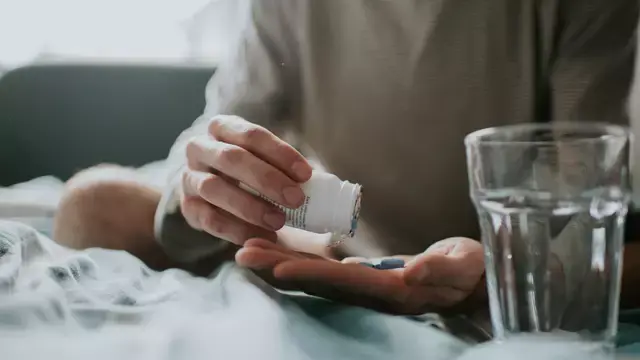
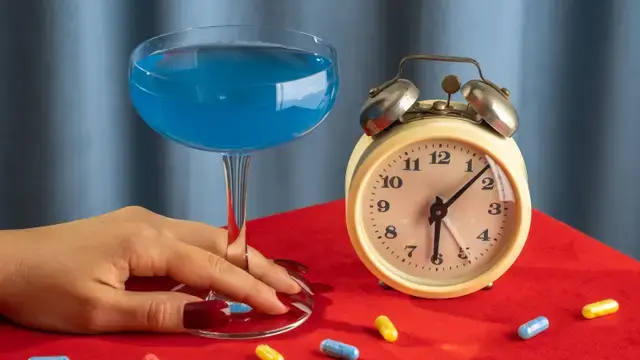
A drink with dinner can feel harmless. But if you’re taking certain medications, alcohol can change how those drugs work in your body — and not in a good way.

Some combinations can increase side effects like dizziness and drowsiness. Others can interfere with how a medication is processed, which may raise the risk of complications.

That’s why pharmacists often give the same simple warning: if your label says avoid alcohol, take it seriously.

Why alcohol can be a problem with medicine

Alcohol affects the brain, the liver, and the stomach. Many medicines do too.

When they overlap, the impact can stack. You may feel more sedated than expected, your reactions can slow, and your judgement can take a hit.

In other cases, alcohol can alter the way a drug is broken down, which may make it less effective or increase unwanted effects.

Pharmacist Deborah Grayson warned even a little bit of alcohol can have adverse effects.
Pharmacist Deborah Grayson warned even a little bit of alcohol can have adverse effects(Getty Stock Image)

Antibiotics

Antibiotics are commonly prescribed for infections, but alcohol is often advised against while you’re taking them.

Some antibiotics are known for causing particularly unpleasant reactions when combined with alcohol. Pharmacists frequently point to metronidazole as a key example, where mixing with alcohol may trigger severe nausea and vomiting in some people.

Even when a reaction isn’t considered “dangerous,” drinking while unwell can still make recovery harder by worsening dehydration, sleep disruption, or stomach irritation.

Blood thinners

Blood thinners help prevent clots and can be critical for people at risk of stroke or heart attack.

Alcohol can complicate that picture. With medications such as warfarin, drinking may affect how the drug is processed and how well blood clotting is controlled.

That can increase the risk of bleeding complications in some cases — and it can also reduce predictable control of the medication, which is exactly what patients and clinicians try to avoid.
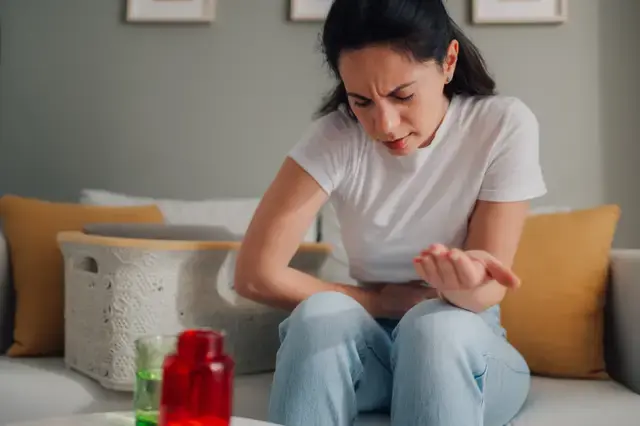
Drinking alcohol with some medications can make them less effective.
Drinking alcohol with some medications can make them less effective (Getty Stock Image)

Antidepressants

Alcohol and antidepressants are a common combination people assume is “fine in moderation,” but it can still be risky.

Alcohol can worsen low mood and may blunt the benefit of antidepressant treatment for some people. Certain antidepressants can also cause drowsiness or dizziness, and alcohol can make those effects stronger.

Health services including the NHS have warned about combining alcohol with antidepressants because it can increase side effects and may affect how well treatment works.

ADHD medications

Many ADHD medications are stimulants. Alcohol is a depressant. Mixing the two can create misleading signals in the body.

One concern that experts raise is that stimulant medications may mask how intoxicated someone feels. That can lead to drinking more than intended, because the “buzz” doesn’t feel as strong early on.

The risk isn’t just about feeling drunk. It’s about the decisions people make when they don’t realize how impaired they’ve become.
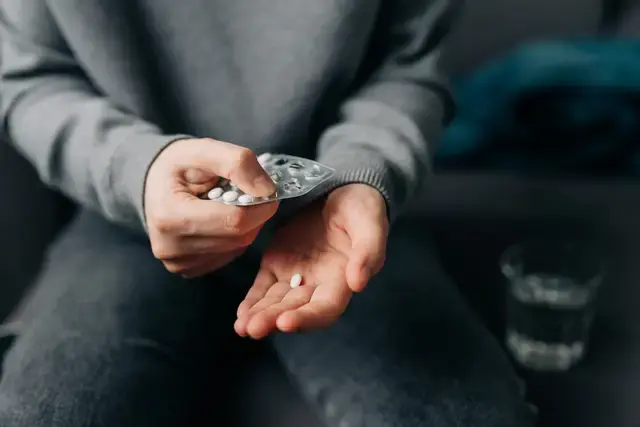
The expert warned that the alcohol with medication combo can result in more severe side effects.
The expert warned that the alcohol with medication combo can result in more severe side effects (Getty Stock Image)

Antipsychotic medications

Antipsychotic medications can already cause sedation, slowed reaction time, and dizziness in some patients.

Alcohol can intensify those effects and increase the likelihood of accidents, including falls. It can also affect mood and judgement, which can be especially concerning for anyone managing a mental health condition.

Because these medications vary widely, clinicians often advise patients to avoid alcohol unless they’ve been specifically told it’s safe for them.

Sleeping tablets and sedatives

This is one of the clearest “don’t mix” categories.

Sleeping pills, sedating antihistamines, and some anti-anxiety medications can slow the central nervous system. Alcohol can do the same.

Together, they may increase drowsiness, confusion, and impaired breathing in a way that becomes dangerous — especially for older adults, or anyone with underlying health conditions.

What to do if you’re unsure

Medication guidance isn’t one-size-fits-all. The safest move is to follow the label and ask a pharmacist or prescriber if you’re not sure what applies to your specific prescription.

If you’ve already mixed alcohol with a medication and feel unwell — especially if you have severe symptoms — seek urgent medical advice.

Featured Image Credit: Westend61 / Getty Images
Topics: NewsHealthAlcohol

What Happens When You Quit Sugar for 7 Days, Explained

Cutting back on sugar sounds simple on paper. In real life, it can feel like your body has other ideas.

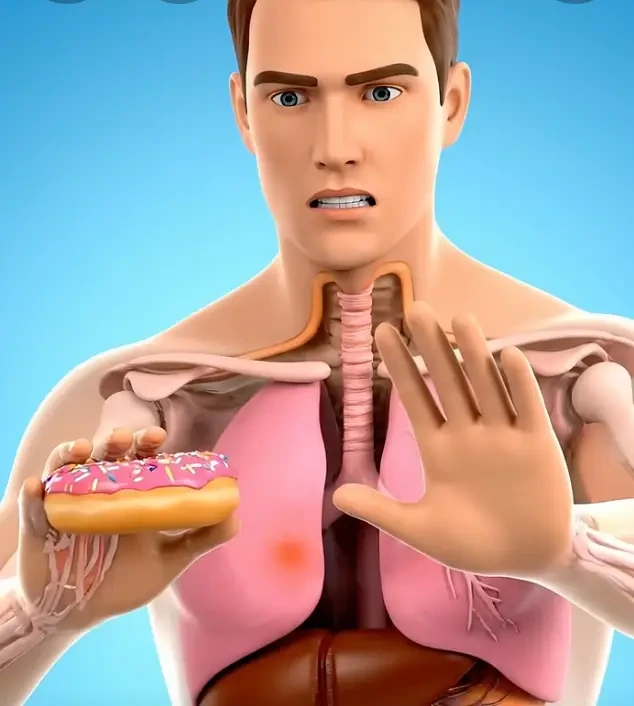
A new simulation video circulating on YouTube claims the first week without sugar can bring a wave of physical and mental changes, especially for people who are used to sweet snacks, sugary drinks, and ultra-processed foods as daily staples.

The point isn’t that sugar is “poison,” or that having dessert means you’ve failed. It’s that for some people, going from “a lot” to “none” can be a jolt.

Why quitting sugar can feel harder than expected

Sugar is tied to habit, convenience, and comfort. It shows up in obvious places like candy, soda, and baked goods, but also in foods people don’t always think of as “sweet.”

That matters because many people don’t notice how often they’re reaching for something sugary until they try to stop. The simulation suggests that sudden removal can trigger a short-term crash in mood and energy, which is often what drives people back to old routines.

Trying to cut out sugar can be more difficult than you might think.
Trying to cut out sugar can be more difficult than you might think (Untold_Healing/YouTube)

Days 1–2: cravings, headaches, and mood swings

According to the video, the first 48 hours are the roughest for cravings. This is where people may feel restless, irritable, and unusually tired.

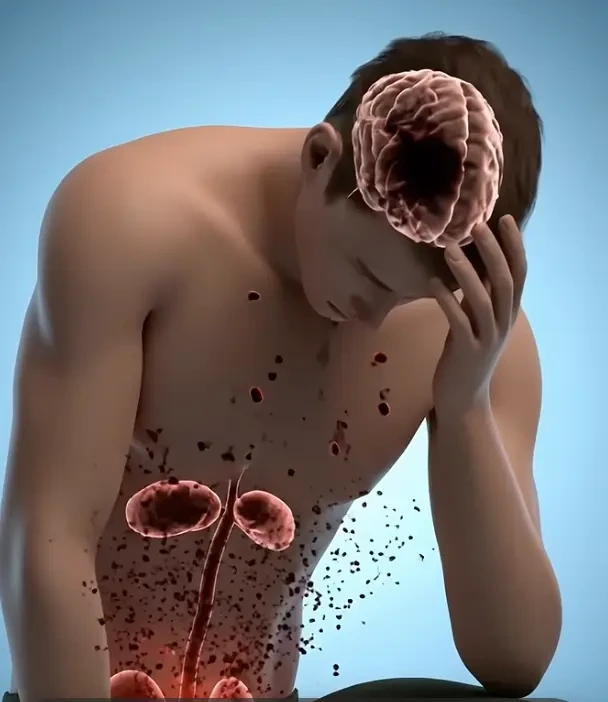
The simulation describes this stage as a withdrawal-like period, with common complaints including headaches, fatigue, and mood swings. Not everyone experiences it, but it’s a pattern that comes up often in personal reports and in discussions around cutting back on highly palatable foods.

Some experts who work in addiction recovery have also noted that people who feel dependent on sugar sometimes report unpleasant early symptoms when they reduce it quickly.

Days 3–4: the “fog” starts to lift

The simulation’s midweek message is more encouraging. By days three and four, it claims many people notice steadier energy and fewer dramatic slumps.

If someone is used to an afternoon crash, the video suggests that pattern may soften once the daily sugar spikes and dips calm down. It also frames this period as one where cravings become less constant, even if they still pop up.

This is also where some people say they start noticing changes in appetite cues—like feeling hungry more gradually, rather than suddenly needing a quick hit of something sweet.

Days 5–7: sleep shifts and visible changes

By the end of the week, the simulation claims people may notice improvements that feel more “whole body” than just appetite.

It suggests sleep quality can improve and sugar cravings can become less intense. The video also claims some people see reduced puffiness and fewer breakouts, framing it as a decrease in inflammation-related effects.

It’s important to treat these as possible experiences, not guarantees. Skin changes, in particular, can be influenced by many factors, including hydration, stress, hormones, and overall diet quality.

Experts have noted common withdrawal symptoms include anxiety and mood swings, as well as having headaches .
Experts have noted common withdrawal symptoms include anxiety and mood swings, as well as having headaches (Untold_Healing/YouTube)

The brain chemistry angle experts talk about

One reason sugar can be tough to cut is how strongly it can reinforce reward patterns.

Some experts point to dopamine, a neurotransmitter involved in motivation and reward. Highly sweet foods can feel satisfying fast, and that immediate payoff can make the habit stick—especially when someone is stressed, tired, or using food as a coping tool.

That doesn’t mean sugar is inherently “addictive” in the same way as drugs for every person. But it can help explain why some people feel irritable or low when they suddenly remove a big source of daily reward.

What to keep in mind before trying a sugar reset

Health authorities like the CDC and WHO have long emphasized limiting added sugars as part of an overall healthy eating pattern. But “quitting sugar” can mean different things depending on the person.

For some, it means cutting soda and candy. For others, it might mean being more aware of added sugars in packaged foods. And for people with diabetes or other medical conditions, any major dietary change can carry extra considerations.

Featured Image Credit: Untold_Healing/YouTube

Topics: NewsUS NewsHealthFood and Drink

New Study: Who Loses Less Fat on Weight-Loss Jabs?

Weight-loss injections are everywhere, but results still vary

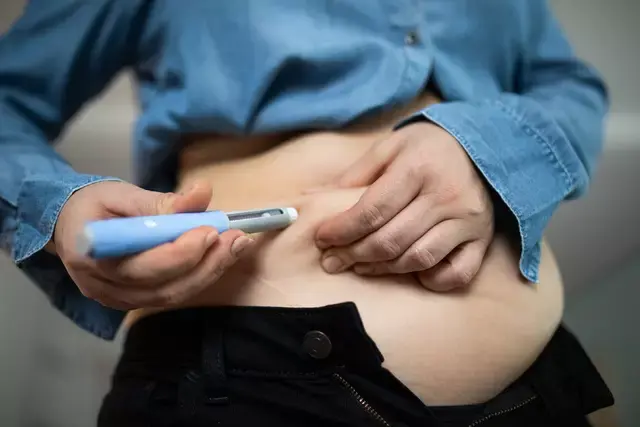
GLP-1 medications have moved from a niche diabetes treatment to a mainstream weight-loss tool in a very short time. Surveys suggest roughly one in eight U.S. adults have tried drugs in this category, including Ozempic and similar medications.

But even with the same prescription, the experience can look different from person to person. Some people see steady changes in appetite and weight, while others feel like progress slows down, or doesn’t show up the way they expected.

What GLP-1 drugs do in the body

GLP-1 receptor agonists mimic a hormone involved in blood sugar control and appetite regulation. In simple terms, they can help people feel fuller sooner and reduce how much they want to eat, which is why they’re used in type 2 diabetes care and, increasingly, in obesity treatment.

That’s the headline benefit. The question researchers keep coming back to is why the response can still be uneven—especially when it comes to fat loss and body composition.

Around 12 percent of Americans have been using weight loss jabs to shed the pounds.
Around 12 percent of Americans have been using weight loss jabs to shed the pounds (Getty Stock Photo)

The study looked at eating behaviors before treatment

In a study involving 92 adults in Japan with type 2 diabetes, researchers tracked changes over time after participants were prescribed a GLP-1 medication. They monitored weight and body composition, alongside markers like blood sugar and cholesterol.

What made the research stand out was the behavioral angle: the team assessed three common eating patterns before and during treatment—external eating, emotional eating, and restrained eating.

External vs emotional vs restrained eating

The categories are widely used in behavioral nutrition research, and the distinctions are straightforward:

  • External eating: eating triggered by cues like smell, appearance, or availability of food, rather than hunger.
  • Emotional eating: eating in response to feelings like stress, sadness, or anxiety.
  • Restrained eating: consciously restricting intake to control weight, often with periods of “holding back.”

These patterns can overlap, but the study treated them as separate signals that might predict who benefits most.

Emotional eating refers to eating based on emotions such as sadness, or stress.
Emotional eating refers to eating based on emotions such as sadness, or stress (Getty Stock Photo)

Who was least likely to lose fat on the jabs

The researchers reported that, over time, people whose overeating was driven mainly by emotional eating or restrained eating tended to lose less weight than those whose eating was more strongly influenced by external cues.

They also found that while many participants showed reduced emotional and external eating after about three months, emotional eating scores later drifted back toward baseline by the 12-month mark—suggesting the early appetite effect may not fully address the underlying drivers behind emotion-linked eating.

One of the authors suggested a possible reason: emotional eating may be shaped more by psychological factors that medication alone doesn’t directly change.

GLP-1 agonists are a type of treatment that mimic the hormone, GLP-1.
GLP-1 agonists are a type of treatment that mimic the hormone, GLP-1 (Getty Stock Photo)

What this could mean (and what it doesn’t)

The takeaway isn’t that GLP-1 medications “don’t work” for people who emotionally eat. It’s that behavioral patterns might help explain why outcomes differ, and why some people may see less fat loss even while on the same type of drug.

The researchers also emphasized that these findings are preliminary and need validation in larger studies before they can be used to guide clinical decisions.

Why this matters as use keeps climbing

As more people try weight-loss jabs, expectations are rising with them. And with uptake now widespread—again, about 12% of U.S. adults have tried GLP-1 drugs, according to a KFF survey—understanding who benefits most (and why) matters for patients, clinicians, and health systems alike.

If future research confirms these links, a simple check-in on eating behaviors could become one more tool for setting realistic expectations and pairing medication with the right kind of support.

Featured Image Credit: Getty Images/Tatsiana Volkava

Topics: HealthNewsScience

Expert Explains 3 Reasons You Shouldn’t Take Mounjaro’s “Golden Dose”

If you’ve spent any time in weight-loss jab communities online, you’ve probably seen it mentioned: the “golden dose.”

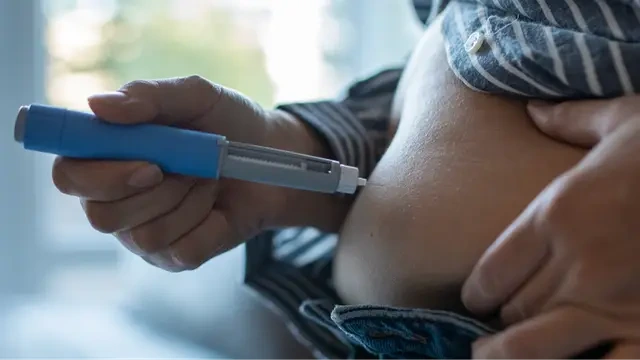
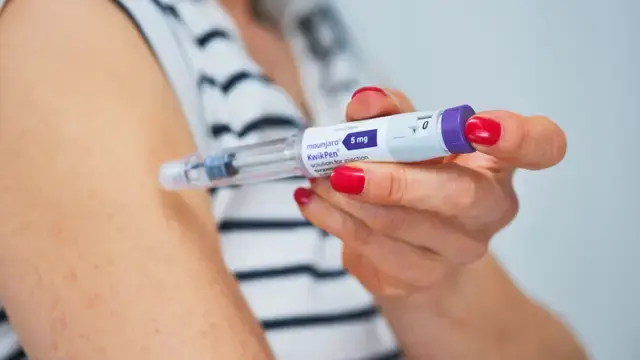
The idea is simple. People notice there’s still liquid left in a Mounjaro pen after the fourth injection, and some try to use it as an extra bonus shot.

Here’s the problem: experts say that leftover liquid is not an extra dose. It’s overfill, and using it can create avoidable risks.

What people mean by the “golden dose”

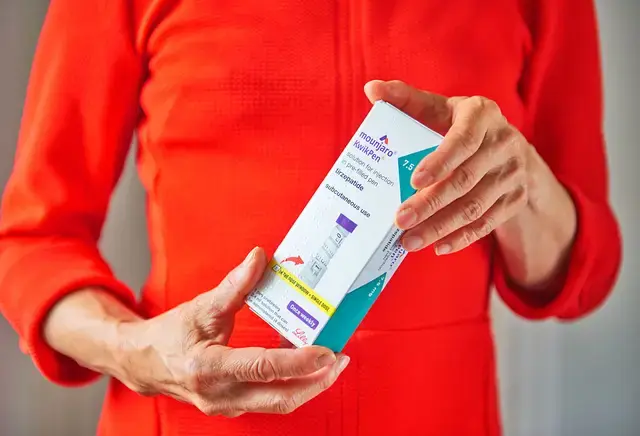
Mounjaro (tirzepatide) is a prescription injection used for specific medical indications, and many people now associate it with weight-loss support under clinical guidance.

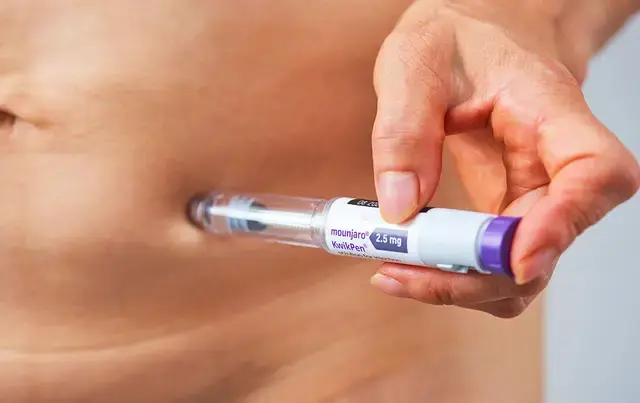
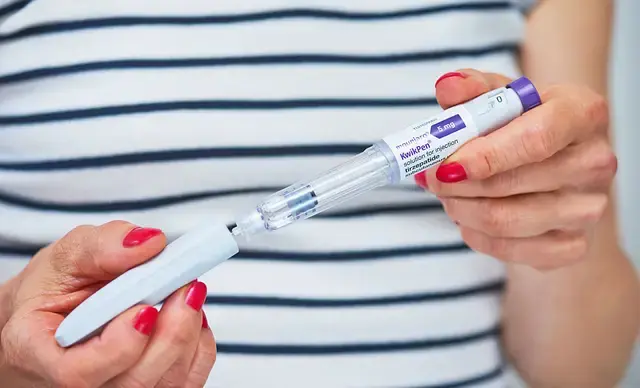
Each pen is designed to deliver four set doses. The device also includes a small amount of extra liquid. Manufacturers typically build in overfill so the pen can reliably deliver full, accurate doses each time.

That leftover liquid may look like “one more,” but it isn’t measured as a safe or consistent fifth dose.

Some people are using Mounjaro's 'golden dose.
Some people are using Mounjaro’s ‘golden dose’ (Peter Dazeley/Getty Images)

Reason 1: You can accidentally underdose and stall progress

When someone tries to stretch a pen, the first risk is surprisingly the opposite of what they expect.

If you start “saving” or pulling medication differently, you can end up taking less than your prescribed amount across multiple weeks. That matters because these treatments rely on steady dosing schedules to maintain predictable effects on appetite and blood sugar regulation.

People often blame the medication when results slow down. But inconsistent dosing can also explain why hunger cues return earlier than expected, or why progress feels uneven.

Using the 'golden dose' could lead to you underdosing.
Using the ‘golden dose’ could lead to you underdosing (Peter Dazeley via Getty Images)

Reason 2: You can accidentally overdose and feel very unwell

Some people see the extra liquid as a clever workaround, especially when access or cost feels stressful.

But pens are not designed for precision outside their intended use. When you attempt to extract leftover medication, you don’t know exactly how much you’re drawing up.

Taking more than prescribed can increase the chance of intense side effects. With GLP-1-related medications, that can include severe nausea, vomiting, diarrhea, and dehydration. In rare cases, serious complications can occur, and clinicians take those risks seriously.

Overdosing can trigger severe nausea and vomiting.
Overdosing can trigger severe nausea and vomiting (Getty Stock Image)

Reason 3: You may raise infection risk by using a pen outside its design

There’s also a practical safety issue that gets overlooked in social posts: sterility and storage.

Once you start using a pen in ways it wasn’t designed for, you increase the chance of contamination. That may raise the risk of injection-site irritation or infection.

Medication stability can also become an issue if a pen has been stored incorrectly or used beyond the recommended time window after first use. If the product degrades, it may become less effective, even if it looks normal.

If you notice redness, swelling, warmth, drainage at the injection site, fever, or you feel generally unwell after an injection, you should treat it as a reason to seek medical advice promptly.

Why “leftover” doesn’t mean “extra”

It’s easy to assume that if liquid remains, it must be usable. But device overfill exists to ensure accuracy, not to provide a hidden fifth dose.

That’s why the safest approach is also the simplest: use the pen exactly as directed and follow the dosing plan your clinician set for you.

It's important you ensure your pen is sterile and that the medication's still in date.
It’s important you ensure your pen is sterile and that the medication’s still in date (Getty Stock Image)

What to do if you’re worried your dose isn’t working

If you feel hungrier again, your weight loss slows, or side effects feel unmanageable, the answer usually isn’t to improvise with your pen.

A qualified healthcare professional can assess whether your dose needs adjustment, whether side effects require a slower increase, or whether something else is affecting your results. Organizations like the NHS, CDC, and Mayo Clinic consistently emphasize medication safety, correct use, and clinician oversight when it comes to prescription treatments.

Featured Image Credit: Peter Dazeley/Getty Images

Topics: MounjaroHealthNews

Smoking Just 2 Cigarettes a Day Death Risk, Study Warns

A lot of smokers have a “small amount” rule. Two cigarettes a day. Weekends only. A few when stress hits.

Here’s the uncomfortable part: scientists say even that low level of smoking may still come with a meaningful health risk—especially for your heart.

The “only two a day” myth is getting challenged again

Smoking is widely known to damage health, but some people still assume the real danger starts at a pack-a-day habit.

New research tracking a large group of adults for years suggests that assumption is risky. The findings add to a growing message from public health experts: there’s no truly “safe” level of cigarette smoking.

Smoking even a little bit is still very bad for you.
Smoking even a little bit is still very bad for you (SimpleImages/Getty)

What the long-term study found

Researchers analyzed data from more than 300,000 adults followed over roughly two decades, focusing on people who smoked at low levels rather than heavy daily smokers.

The result that’s grabbing attention: people who reported smoking about two cigarettes a day showed a higher risk of death from any cause compared with people who had never smoked, according to the report.

The study also reported an elevated risk tied to cardiovascular outcomes, including heart disease.

Even if you already believe cigarettes are harmful, the takeaway is simple: cutting down is not the same as removing the risk.

Why the heart and blood vessels take a hit

Doctors often describe smoking as a direct attack on the cardiovascular system.

That’s because tobacco smoke and nicotine can damage the lining of blood vessels and speed up the buildup of plaque in the arteries—processes linked with coronary artery disease and heart problems over time.

This matters because heart disease isn’t rare, and smoking doesn’t need to be heavy to contribute to risk.

“No amount is harmless,” experts say

The study’s authors and clinicians quoted in coverage of the research stressed a point many smokers don’t want to hear: even very low cigarette use can be clinically meaningful.

At the same time, they emphasized something more hopeful: quitting can reduce risk, and the earlier someone stops, the better the long-term outlook tends to be.

Smoking causes a huge number of serious problems.
Smoking causes a huge number of serious problems (MarianVejcik/Getty)

Why this warning fits the bigger public health picture

The CDC continues to describe tobacco use as the leading cause of preventable disease and death in the United States.

So when a large study finds measurable risk at “just two a day,” it lands in a larger reality: cigarettes affect nearly every organ system, and the body doesn’t treat “light smoking” as harmless.

If you’re trying to quit, you’re not alone

Quitting can be difficult, especially if cigarettes are tied to routines, stress, or social life.

If you’re thinking about stopping, consider reaching out to a qualified healthcare professional or a local quit-support service for personalized help and options.

Featured Image Credit: Getty Images

Topics: HealthNewsScienceWorld NewsCancer

Nurse Shares 7 Things That Matter Most in Life, After 300 Deaths

Most of us don’t get a preview of our final chapter.
But some people do see that moment up close — not as a headline, but as a quiet, ordinary part of their job.

A nurse known as Laura M says she has been present for the final moments of more than 300 people. Over time, she started noticing patterns in what patients talked about, what they wished they’d done differently, and what they were most grateful for.

Her takeaway is simple: people don’t leave this world wishing they’d answered more emails.

Love people while you still can

One of the clearest themes, Laura says, is how much time gets wasted on pride.

She recalled a 92-year-old World War II veteran who hadn’t spoken to his brother for decades after an argument. Near the end, the man summed it up with brutal honesty: he “won” the argument, but lost a lifetime.

It’s a reminder that being right can be expensive.

People can bare their soul in their final moments.
People can bare their soul in their final moments (AlexanderFord/Getty)

Stop saving your joy for “later”

Another lesson that kept returning was how easily happiness gets postponed.

Laura described someone who built wealth out of fear — not out of passion or purpose. In the end, he realized he’d spent years collecting security while rarely letting himself enjoy it.

The point isn’t that money is bad. It’s that living in constant “someday” mode can quietly steal the present.

Forgiveness is lighter than resentment

Not every story is neat. Not every relationship gets repaired.
But Laura says many people want peace more than they want the last word.

She recalled a woman who said she couldn’t die angry. When her estranged son finally arrived, she chose to forgive — and the change was visible. Her breathing eased. The room felt calmer.

Even when forgiveness is hard, carrying anger to the finish line often feels harder.

The best moments are usually small (and free)

Laura says people rarely said they missed their job title.

They missed ordinary things: the smell of rain, birds in the morning, a pet’s familiar presence, the quiet comfort of home.

One former CEO, she recalled, captured it in a single line: he mistook being busy for being alive.

It’s the kind of quote that lands because it’s so easy to recognize in ourselves.

People missed the smell of rain.
People missed the smell of rain (Kryssia Campos/Getty)

Regret isn’t about failure — it’s about never trying

When people look back, Laura says they don’t always regret what went wrong.

They regret the chances they didn’t take: the trip they never booked, the hobby they never started, the risk they avoided because it felt safer to stay the same.

One patient put it plainly: they didn’t regret failing — they regretted never auditioning.

Trying and failing can sting. Never trying can echo for years.

Be where your feet are

Another repeated theme was presence.

Laura recalled a father who admitted he was always somewhere else — even when he was physically at home. Work, stress, screens, and constant distraction had eaten the moments he assumed would always be there.

The lesson isn’t to be perfect. It’s to notice when your life is happening in front of you.

Drop the act and live as yourself

Finally, Laura says authenticity matters more than people expect — and pretending is exhausting.

She described moments where people let go of performance at the end, almost like finally exhaling after decades. One woman removed her wig and said she was done pretending.

It’s a striking image because it isn’t about hair. It’s about relief.

Laura’s message, overall, isn’t morbid. It’s practical: love more openly, forgive faster, notice the small things, and stop delaying the life you keep meaning to start.

Featured Image Credit: Getty Stock Image

Topics: NewsHealthWorld News

Experts Warn: Don’t Pop These Common White Spots on Your Skin or Genital Area

Tiny white bumps can look harmless. Sometimes they’re barely noticeable until a mirror, bright light, or a close-up photo makes them impossible to ignore.

For many people, the first instinct is simple: squeeze it, pick it, or try to “extract” it like a whitehead.

Here’s the problem. Dermatology experts say some of the most common white spots people panic about are not acne at all — and treating them like acne can leave you with irritation, scarring, or even infection.

Why white bumps aren’t always pimples

A lot of bumps get lumped into the same category because they’re small, pale, and raised.

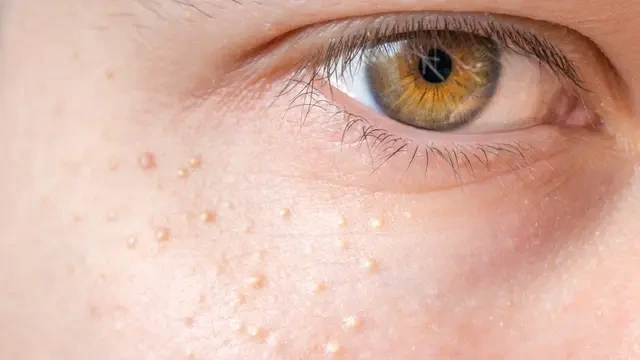
But skin specialists often point to two different culprits depending on where the bumps show up: milia (usually on the face) and Fordyce spots (often on the lips or genital area).

They can look similar at first glance. The cause and the best next step can be very different.

Many people experience white spots on their face and body.
Many people experience white spots on their face and body (Getty Stock Image)

Milia: the “stubborn” white bumps often seen on the face

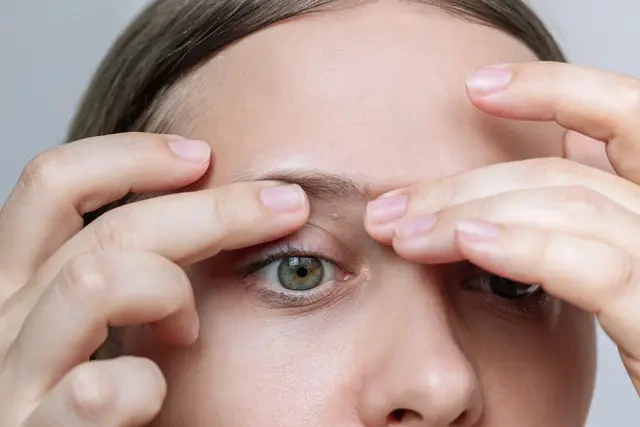
Milia are tiny cysts that form when keratin (a protein found in skin, hair, and nails) gets trapped under the surface.

They often appear around the eyes, on the cheeks, or near the nose and lips. And unlike acne, they don’t behave like acne.

Dermatology experts describe milia as firm bumps that are difficult to “pop” because they sit under a thin layer of skin. That’s why squeezing usually fails — and why people end up pressing harder, damaging the surrounding area.

What’s often overlooked is this: when you pick at milia, you’re not clearing a clogged pore. You’re tearing skin.

Experts have issued a warning about the spots.
Experts have issued a warning about the spots (Getty Stock Image)

Fordyce spots: common bumps that can appear on “private parts”

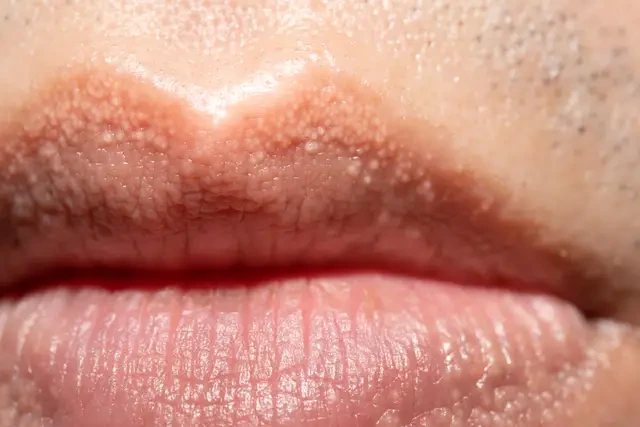
If the white or flesh-colored spots show up on the lips or in the genital region, they may be Fordyce spots.

Medical sources like the Cleveland Clinic describe Fordyce spots as visible oil glands. Many people are born with them, and they can become more noticeable during or after puberty.

They are common, they are not the result of poor hygiene, and they are not automatically a sign of a sexually transmitted infection.

Still, their location can make them stressful. That anxiety is exactly why experts emphasize getting a professional opinion if you’re unsure — especially if anything changes quickly or looks inflamed.

The one thing experts agree on: don’t squeeze or pick

This is where the “serious warning” comes in, and it’s not about scare tactics. It’s about simple skin biology.

With milia, squeezing often does nothing because the contents are firm and trapped. Trying to force it can break the skin barrier and raise the risk of irritation and scarring.

With Fordyce spots, picking can create tiny wounds. Health resources like Healthline warn that damaging the skin can increase the risk of infection.

In other words, the bump may be harmless — but your attempt to remove it might not be.

Fordyce spots can appear on the lips.
Fordyce spots can appear on the lips (Getty Stock Image)

When it’s worth getting checked

Most people don’t need emergency care for a few small white spots.

But it is smart to speak with a clinician if you notice any of the following:

  • Rapid changes in size, color, or shape
  • Pain, bleeding, crusting, or discharge
  • Spreading irritation or swelling
  • A new cluster of bumps after a sexual encounter
  • Ongoing worry because you’re not sure what you’re seeing

A quick exam can save weeks of stress and prevent unnecessary skin damage.

Are there safe treatment options?

Some people choose to leave these bumps alone, especially if they’re not causing discomfort.

If someone wants treatment for cosmetic reasons, options may exist — but they should be guided by a qualified professional. Medical sources note that milia can sometimes be treated with certain topical products or in-office procedures.

For Fordyce spots, some treatments may reduce their appearance, but results can vary. What matters most is avoiding DIY “removal” attempts that can lead to complications.

Featured Image Credit: Getty Stock Image

Topics: HealthNewsBeauty

Terrifying Smoking Simulation Shows What Happens to Your Body

Most people know smoking is bad for their health. What’s harder to grasp is how quickly it begins to damage the body.

A viral simulation is changing that. By visually breaking down what happens after each inhale, it offers a stark look at how cigarettes affect the lungs, heart, and brain—often within minutes.

That matters because smoking remains one of the most common and preventable causes of serious illness worldwide.

Smoking Remains a Major Public Health Threat

Health authorities estimate that tens of millions of adults continue to use tobacco products each year. According to the CDC, smoking is still the leading cause of preventable disease and death in the United States.

Research also suggests that even light or occasional smoking can reduce lifespan. Studies indicate that a single cigarette may shorten life expectancy by around 20 minutes, adding up quickly over time.

The simulation brings these statistics to life by showing what’s happening inside the body as the damage accumulates.

What You Inhale With Every Cigarette

The video explains that cigarette smoke isn’t just smoke. It contains more than 7,000 chemicals, many of which are toxic.

When inhaled, these substances move rapidly from the mouth into the lungs and bloodstream. From there, they spread throughout the body, affecting multiple organs almost immediately.

This is where the visual model becomes especially confronting.

Millions of Americans are frequent smokers.
Millions of Americans are frequent smokers (Getty Stock Image)

What Smoking Does to the Lungs

The lungs are the first organs to take the hit.

The simulation shows smoke coating the airways, irritating delicate tissue and leaving behind sticky tar. Over time, this buildup can reduce the lungs’ ability to absorb oxygen efficiently.

As the lungs struggle to function normally, breathing becomes more difficult. Health experts say this ongoing irritation may contribute to chronic cough, reduced lung capacity, and long-term respiratory disease.

How Smoking Affects the Heart

Once nicotine enters the bloodstream, the heart responds quickly.

The simulation shows heart rate increasing within seconds. Blood vessels tighten, which raises blood pressure and forces the heart to work harder than it should.

Over time, this added strain may increase the risk of heart disease and stroke. Medical organizations consistently warn that smoking damages blood vessels and reduces overall cardiovascular health.

What Happens in the Brain

Nicotine also travels rapidly to the brain.

The video explains that it triggers a release of dopamine, a chemical linked to pleasure and reward. This can create a temporary sense of calm or focus.

But the effect fades quickly. As dopamine levels drop, cravings, anxiety, and fatigue may follow, reinforcing the cycle of dependence that makes quitting so difficult.

The Hidden Impact of Secondhand Smoke

The simulation doesn’t just focus on smokers.

It also highlights how secondhand smoke affects people nearby. The same chemicals that harm the smoker’s lungs and heart can be inhaled by others, including children and vulnerable adults.

Health authorities warn that exposure to secondhand smoke may increase the risk of respiratory problems and heart disease, even in non-smokers.

Why Visual Simulations Are So Powerful

What sets this simulation apart is how clearly it connects cause and effect.

Rather than relying on statistics alone, it shows how damage unfolds step by step. Experts say visual tools like this can make health risks feel more real, especially for people who underestimate the impact of occasional smoking.

Researchers have also found that quitting smoking can begin to reverse some of the damage over time, with benefits starting sooner than many expect.

A Reminder, Not a Lecture

The video doesn’t tell people what to do. It simply shows what happens.

For some viewers, that may be enough to rethink their habits. For others, it may offer a clearer understanding of why health professionals continue to stress the risks associated with tobacco use.

What’s often overlooked is that every cigarette has an effect. Seeing it unfold in real time can be hard to ignore.

Featured Image Credit: Getty Stock Image

Topics: HealthNewsYouTube

People With HIV Share Early Symptoms as Global Cases Rise

For many people, the earliest signs of a serious illness do not arrive with alarm bells. They show up quietly, often mistaken for stress, exhaustion, or a mild flu.

That uncertainty is now at the center of a growing conversation, as people living with HIV describe the first symptoms they noticed—while global health experts warn that millions of new cases could emerge in the coming years.

A Global Warning From Health Authorities

Health agencies are increasingly concerned about the direction of the global HIV response. The United Nations Population Fund recently warned that HIV infections could rise by an additional 3.3 million cases by 2030 if prevention and treatment efforts continue to face disruption.

By the end of 2023, an estimated 39.9 million people worldwide were living with HIV. Experts say those numbers highlight both the progress made in treatment and the vulnerabilities that remain.

The World Health Organization has described the current moment as a critical turning point, noting that access to life-saving services has been uneven in many regions. Still, it emphasizes that community-driven efforts and medical advances continue to offer hope.

HIV affects millions of people across the globe.
HIV affects millions of people across the globe (Getty Stock)

Real Stories Behind the Statistics

Against this backdrop, people diagnosed with HIV have been sharing their personal experiences online, offering insight into how the condition first revealed itself.

In one discussion, individuals were asked how they discovered they were HIV-positive and whether symptoms appeared early or later. The responses showed just how varied those experiences can be.

Some described having no obvious symptoms at all. One person recalled feeling suddenly overwhelmed by exhaustion despite having slept well, prompting a doctor’s visit that led to routine tests and an unexpected diagnosis.

Others noticed signs that felt more familiar, and therefore easy to dismiss.

When Symptoms Feel Like the Flu

Several people said their first warning signs closely resembled common viral illnesses. Flu-like symptoms, mild fevers, rashes, or general fatigue were often brushed off as temporary infections.

One individual shared that a week after a risky encounter, they developed cold symptoms and a light rash. Because they rarely became sick, the change felt unusual enough to raise concern, eventually leading them to seek testing.

These accounts highlight a recurring theme: early HIV symptoms can be nonspecific and easily confused with everyday illnesses.

The Emotional Impact of Diagnosis

Many people described the moment of diagnosis as overwhelming. Feelings of fear, shock, and devastation were common, particularly for those who believed their lives had permanently changed.

Yet several also emphasized that hope returned once treatment began. Advances in HIV care mean that most people who start treatment early can live long, healthy lives.

According to the Cleveland Clinic, modern antiretroviral therapy works by preventing the virus from reproducing in the body. While it does not cure HIV, consistent treatment can reduce the virus to undetectable levels, significantly improving health outcomes and preventing transmission.

Why Early Testing Still Matters

Health experts continue to stress that early testing remains one of the most effective tools in controlling HIV. Because symptoms can be mild or absent, many people do not realize they are infected until later stages.

Early diagnosis allows treatment to begin sooner, reducing complications and improving quality of life. It also plays a critical role in slowing the spread of the virus within communities.

Awareness Without Fear

Public health officials caution against panic-driven narratives. Instead, they encourage informed awareness, routine testing, and open conversations about sexual health.

As global case projections raise concern, the personal stories of people living with HIV serve as a reminder that behind every statistic is a human experience—often shaped by uncertainty, resilience, and access to care.

Featured Image Credit: Getty Stock Images

Topics: HealthRedditNews

Mom’s ‘Flu’ Was Sepsis: Urgent Warning After Near-Fatal Infection

As winter illnesses surge, many people expect to battle coughs, fevers, and fatigue. For one mother in Wales, those familiar symptoms nearly proved fatal.

A 27-year-old woman has now shared her story to warn others after what she believed was the flu turned out to be sepsis, a life-threatening medical emergency that left her unresponsive in bed.

A Routine Illness That Was Anything But

Roberta Alisauskaite, a mother of two from Carmarthenshire in South West Wales, said she first began feeling unwell in October. Like many during colder months, she assumed she had picked up a seasonal bug from work.

At first, the symptoms felt manageable. She described feeling under the weather, run down, and feverish — all signs many associate with flu or a heavy cold.

What she didn’t realize was that her body was already fighting something far more dangerous.

Roberta Alisauskaite detailed how awful she felt in a video.
Roberta Alisauskaite detailed how awful she felt in a video (Kennedy)

Symptoms Escalated Rapidly

Alongside flu-like symptoms, Alisauskaite was dealing with an abscess linked to one of her wisdom teeth and had been taking antibiotics. Within days, her condition deteriorated quickly.

She developed violent shaking, an uncontrollable fever, and a worsening cough. Her temperature spiked, her breathing became labored, and confusion began to set in.

Despite turning on the heating and wrapping herself in blankets, she said her body alternated between intense chills and overwhelming heat.

Found Unresponsive by Her Children

The situation reached a terrifying turning point when Alisauskaite was found upstairs by her two young children. She was unresponsive and struggling to speak clearly.

She later explained that she was slurring her words and could no longer make sense, a moment she says deeply traumatized her children.

An ambulance was called, and she was rushed to hospital, where doctors carried out urgent tests.

The Real Diagnosis: Sepsis

Instead of flu, doctors determined she was suffering from sepsis, a condition caused by the body’s extreme response to an infection.

Consultants told her she had gone into septic shock, a severe and potentially fatal stage where blood pressure drops dangerously low and organs can begin to fail.

According to health authorities, sepsis requires immediate treatment. Delays can dramatically increase the risk of long-term complications or death.

The mother-of-two wants people to be aware of what sepsis symptoms can look like.
The mother-of-two wants people to be aware of what sepsis symptoms can look like (Kennedy)

Why Sepsis Is Often Missed

Medical experts say sepsis is frequently mistaken for flu, especially in its early stages. Fever, muscle pain, chills, and exhaustion can feel deceptively familiar.

What’s often overlooked is how quickly symptoms escalate. Confusion, breathlessness, uncontrollable shivering, and changes in speech are red flags that demand urgent medical attention.

The NHS and other health bodies stress that there is no single symptom of sepsis, making awareness crucial.

A Message for Other Parents and Families

Now recovering, Alisauskaite has spoken publicly to encourage others not to ignore worsening symptoms.

She says she never imagined a common illness could leave her fighting for her life, and she urges parents in particular to trust their instincts if something feels wrong.

Her story comes as winter illnesses place extra pressure on healthcare systems, a time when serious infections can easily be misjudged.

When to Seek Urgent Help

Health experts advise seeking immediate medical care if flu-like symptoms are accompanied by confusion, difficulty breathing, persistent vomiting, extreme shivering, or sudden changes in consciousness.

Early treatment saves lives. Acting quickly can mean the difference between recovery and devastating outcomes.

Featured Image Credit: Kennedy

Topics: HealthNewsParentingUK News