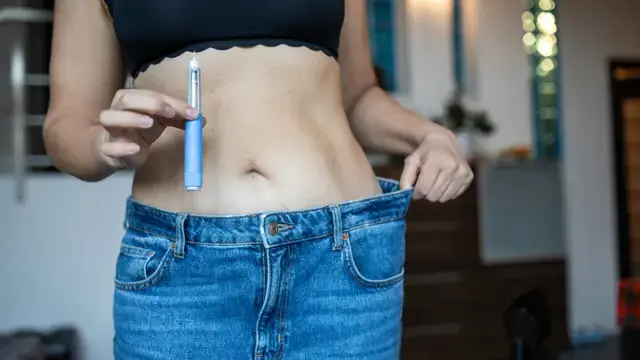
What Happens in Your First 4 Weeks on Weight-Loss Injections

Weight-loss injections have gone from “something celebrities do” to something everyday people ask their doctors about.

But the first month can feel confusing. Some people expect instant results. Others worry the moment they feel nauseous that something is wrong.

Here’s what experts say you may experience in the first four weeks, and why the early phase is often more about adjustment than dramatic change.

Why the first month feels different for everyone

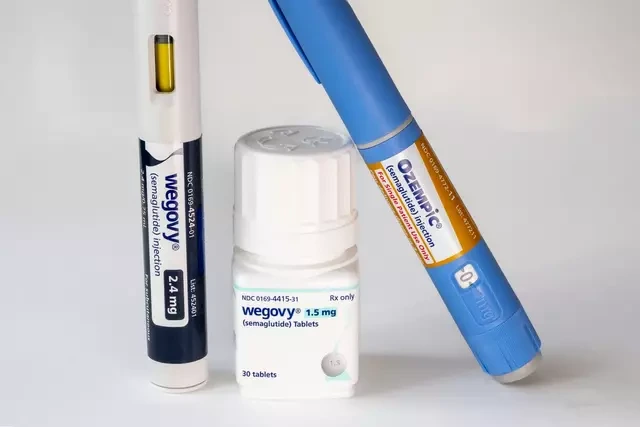
Medications such as Wegovy and Ozempic contain semaglutide, which works by mimicking a hormone involved in appetite and blood sugar regulation. That’s why changes often start in your gut and your hunger cues before you see big changes on the scale.

Your dose also usually increases gradually over time. So “week one” is not the same experience as later months on a higher dose.
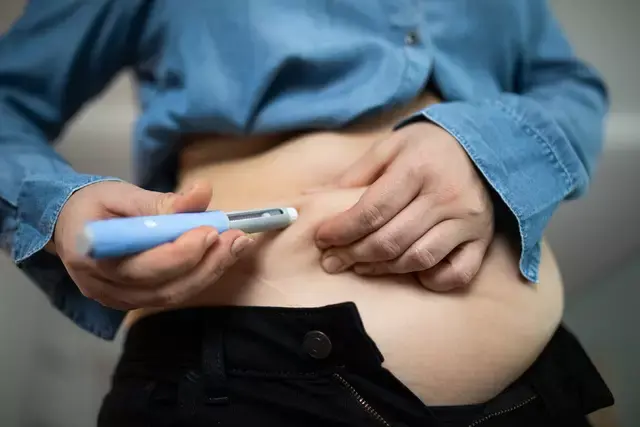
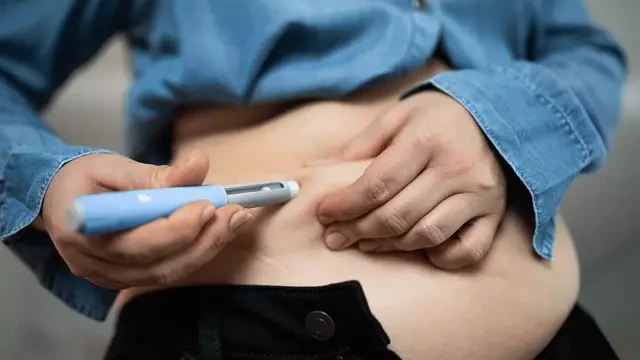
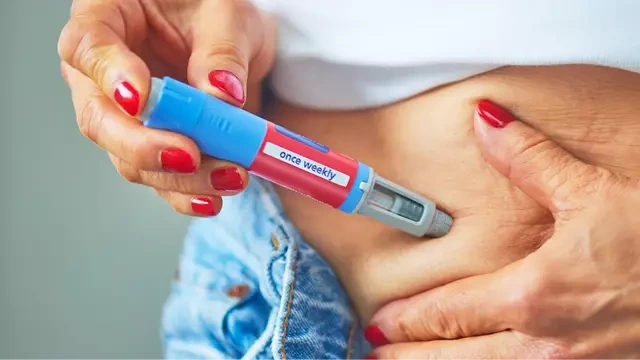
Weight loss injections are increasingly becoming more accessible.
Weight loss injections are increasingly becoming more accessible (Getty Stock Photo)

Week 1: Your body starts adjusting

In the first several days, some people notice appetite changes quickly. Meals may feel heavier, and it may become easier to stop eating sooner than usual.

Side effects can also show up early. Nausea, vomiting, diarrhea, constipation, stomach discomfort, headache, and fatigue are commonly reported with semaglutide-based treatments.

Not everyone gets side effects, and intensity varies. For some, it’s mild and short-lived. For others, it can affect routine for a few days.

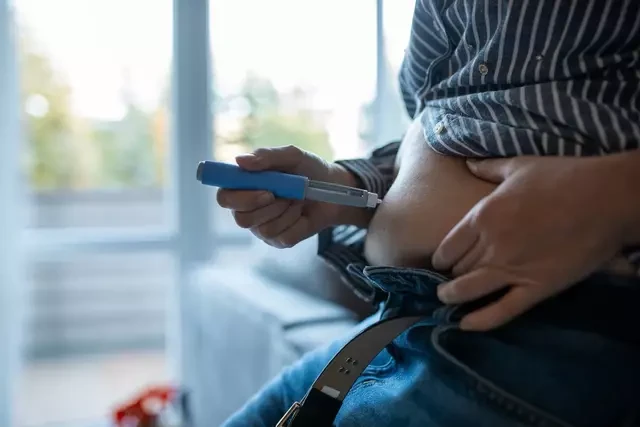
Experts urge patients using weight-loss injections to stay hydrated.
Experts urge patients using weight-loss injections to stay hydrated (Getty Stock Photo)

Week 2: Side effects may begin to settle

By week two, many people find their body starts to adapt. If you had nausea or digestive upset at the start, it may lessen as you learn what foods and meal sizes feel best for you.

This can also be the stage where patterns become clear. Some people realize they feel worse after large meals, greasy food, or eating too fast. Others notice they’re simply less interested in snacking.

If symptoms feel persistent or severe, that’s usually a sign to check in with a clinician, because dosing schedules and tolerability matter.

Week 3: Appetite signals often change more noticeably

Around the third week, some people describe a more consistent shift in hunger.

You may feel full sooner, think about food less often, or find it easier to stick to smaller portions. Semaglutide is associated with appetite reduction and changes in digestion that can make fullness last longer.

This is also where expectations can get tricky. Feeling less hungry does not automatically guarantee balanced nutrition. Even if you’re eating less, your food choices still matter for energy, protein intake, and overall wellbeing.
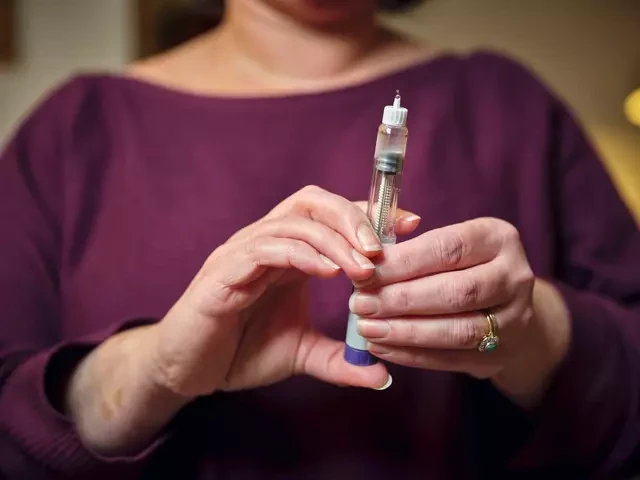
Regular exercise can support a weight-loss journey.
Regular exercise can support a weight-loss journey (Getty Stock Photo)

Week 4: Early progress can appear, but it’s not just the scale

By week four, some people see early weight changes. Others don’t see much movement yet, especially if side effects limited activity or if the dose is still low.

What’s often overlooked is that these medications are also studied for broader health effects. Wegovy, for example, is indicated for chronic weight management in certain patients and has evidence tied to cardiometabolic outcomes in specific groups.

If your prescriber is tracking metrics like blood pressure, blood sugar, or cholesterol, this is when “non-scale wins” may start to show up for some people—though changes can take longer and depend heavily on your starting point and overall health.

Why prices and access are part of the conversation now

Access has been a major barrier, and pricing shifts have kept the conversation in the spotlight.

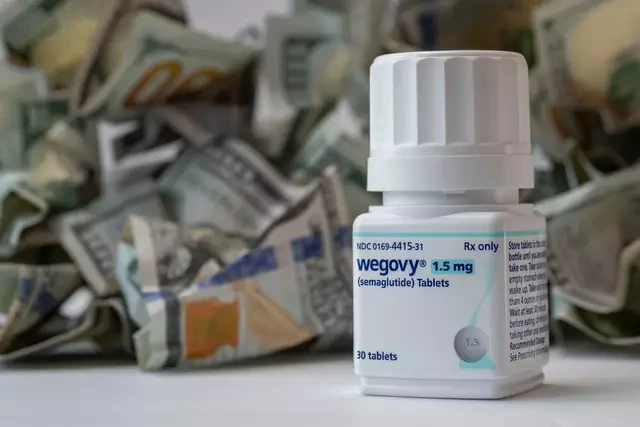
In November 2025, Novo Nordisk announced it was lowering the self-pay price for Wegovy and most doses of Ozempic in the U.S. from $499 to $349 per month, alongside a limited-time introductory offer for new self-pay patients.

Even with changing costs, experts continue to stress that these medications work best when they’re part of a clinician-supervised plan, not a shortcut.

Featured Image Credit: Getty Images

Topics: HealthOzempicWeight lossMounjaro

Health Officials Warn Weight Loss Jabs May Be Linked to Rare but Serious Side Effect

Weight loss injections have become widely used in recent years, helping millions of people manage diabetes and reduce body weight. For most patients, health authorities say these medications are safe and effective when prescribed correctly.

But UK officials are now urging caution after updating safety information to highlight a rare side effect that, in severe cases, can be life-threatening.

The warning focuses on GLP-1 medications, a class of drugs that includes treatments commonly used for weight management and type 2 diabetes.

Why health officials issued a new warning

On January 29, the UK’s Medicines and Healthcare products Regulatory Agency (MHRA) announced changes to the product information for all GLP-1 receptor agonists and related combination drugs.

The update was made to draw attention to the potential risk of acute pancreatitis, an inflammation of the pancreas that can become serious if not identified early.

Health officials stressed that the move is about awareness rather than alarm, aimed at ensuring both doctors and patients recognize symptoms promptly.

Millions of people across the globe use GLP-1 medications.
Millions of people across the globe use GLP-1 medications (Getty Stock Photo)
What the MHRA data shows

According to the MHRA, between 2007 and October 2025 it received 1,296 reports of pancreatitis linked to GLP-1 and GLP-1/GIP medications through its Yellow Card reporting system.

Of those reports, 19 cases were fatal, and 24 involved a severe form known as necrotising pancreatitis. Officials noted that while pancreatitis is already a recognized side effect, some reported cases were unusually severe.

The agency said the updated guidance better reflects the potential seriousness of these rare outcomes.

Understanding acute pancreatitis

Acute pancreatitis occurs when the pancreas becomes inflamed, leading to swelling and pain. According to major medical authorities, the condition can range from mild to severe.

In serious cases, pancreatitis can cause complications affecting other organs, including the kidneys and lungs. One particularly dangerous complication is necrotising pancreatitis, where parts of the pancreas begin to die.

Because early symptoms can overlap with other digestive issues, the condition can sometimes be difficult to identify at first.

Abdominal pain, nausea or vomiting are all symptoms of pancreatitis.
Abdominal pain, nausea or vomiting are all symptoms of pancreatitis (Getty Stock Photo)
Symptoms officials want people to watch for

Health officials are advising patients and healthcare professionals to remain alert to possible warning signs.

Symptoms may include persistent abdominal pain, which can radiate to the back, and may be accompanied by nausea or vomiting. The pain is often described as severe and does not ease easily.

Patients are encouraged to speak to a healthcare professional if they experience ongoing or worsening symptoms while taking GLP-1 medications.

Guidance for doctors and patients

The MHRA has advised healthcare professionals to stop treatment with GLP-1 or GLP-1/GIP receptor agonists if pancreatitis is suspected.

Officials emphasized that early recognition plays an important role in reducing the risk of complications. The update is intended to support better decision-making rather than discourage appropriate use.

Both patients and clinicians are also encouraged to report suspected side effects through established monitoring systems.

What experts say about overall safety

Dr Alison Cave, the MHRA’s chief safety officer, has stressed that for the vast majority of patients, GLP-1 medications remain safe and effective.

She noted that the risk of developing severe pancreatitis is very small, but awareness of symptoms is essential. Experts agree that informed use is key to maintaining patient safety.

Drug manufacturers, including those behind Ozempic, Wegovy, and Mounjaro, have echoed that message, stating they continue to monitor safety data closely and work with regulators worldwide.

Doctors and patients have been urged to stay vigilant.
Doctors and patients have been urged to stay vigilant (Getty Stock Photo)
Putting the risk into perspective

Millions of people globally use GLP-1 medications without experiencing serious complications. Health authorities say the benefits of these treatments often outweigh the risks when prescribed and monitored appropriately.

Still, rare side effects can occur with almost any medication. What matters most, experts say, is ensuring that patients know when something doesn’t feel right and feel confident raising concerns.

The MHRA’s update serves as a reminder that even widely used treatments require ongoing monitoring as their use expands.

Why awareness matters

As weight loss injections become more common, health officials say clear communication around risks is essential. Recognizing symptoms early can make a critical difference in outcomes.

For patients, the message is not one of fear, but of vigilance. For clinicians, it is a call to remain attentive as prescribing patterns evolve.

Increased awareness, officials say, helps ensure these medications continue to be used safely while delivering benefits to those who rely on them.

Health Disclaimer
This article is for informational purposes only and is not intended as medical advice. Always consult a qualified healthcare professional before making any changes to your health, diet, or treatment.

Featured Image Credit: Getty Stock

Featured Image Credit: Getty Stock

Topics: OzempicWeight lossHealth

Woman Who Nearly Died Taking Fake Ozempic Shares the Warning Sign She Noticed

As demand for weight-loss injections continues to surge, so too does the market for convincing counterfeits. For one woman, what seemed like a harmless shortcut turned into a medical emergency that nearly cost her life.

Michelle Sword believed she was taking Ozempic, a medication she had used before. Instead, she unknowingly injected a counterfeit drug that left her unconscious and fighting for survival.

Her experience is now being shared as a cautionary tale about the growing risks linked to imitation weight-loss treatments sold online.

Turning to medication after a difficult period

Sword, a 47-year-old mother of two, first used Ozempic several years ago after her long-term marriage ended. Like many people, she struggled with confidence and weight changes during an emotionally difficult time.

The medication, which contains semaglutide, helped her lose weight and regain a sense of control. She described the results as transformative and said she was able to reach her target weight alongside lifestyle changes.

For a period, she maintained those results. But as time passed, old habits crept back in, and the weight slowly returned.

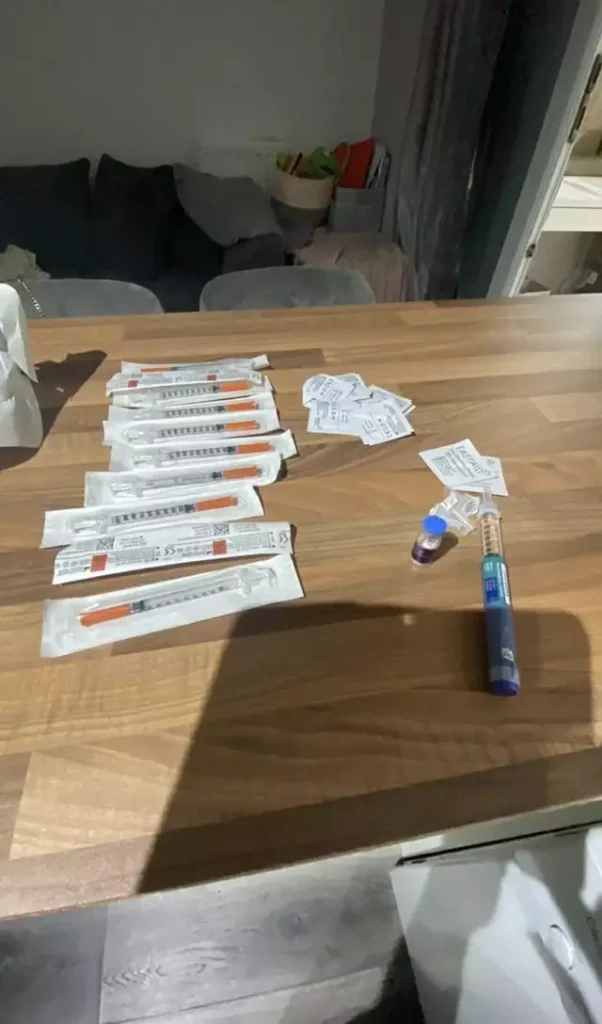
The doses appeared identical to Ozempic jabs, but there was one subtle sign that they were not legit
The doses appeared identical to Ozempic jabs, but there was one subtle sign that they were not legit (SWNS/Michelle Sword)

Rising demand and limited access

By the summer of 2023, Sword decided to look again at weight-loss injections. This time, however, access was more difficult.

Soaring demand had pushed up prices and made legitimate prescriptions harder to secure. That environment has created fertile ground for sellers offering cheaper alternatives through social media and online platforms.

When Sword saw an advert for Ozempic at a fraction of the usual cost, she admits she acted quickly.

The counterfeit that looked almost real

The injections arrived within days. At first glance, they appeared genuine. The packaging, labeling, and pen design closely matched what she had used before.

There was, however, one detail that stood out once she began using the injection. She noticed the pen continued to click in an unusual way, making it difficult to judge the dose.

She also observed that the liquid inside the vial did not seem to reduce as expected. At the time, she dismissed the concern, assuming it was a minor difference.

Sudden collapse and a race to save her life

Within minutes of injecting the drug, Sword began to feel unwell. Shortly after, she collapsed and lost consciousness.

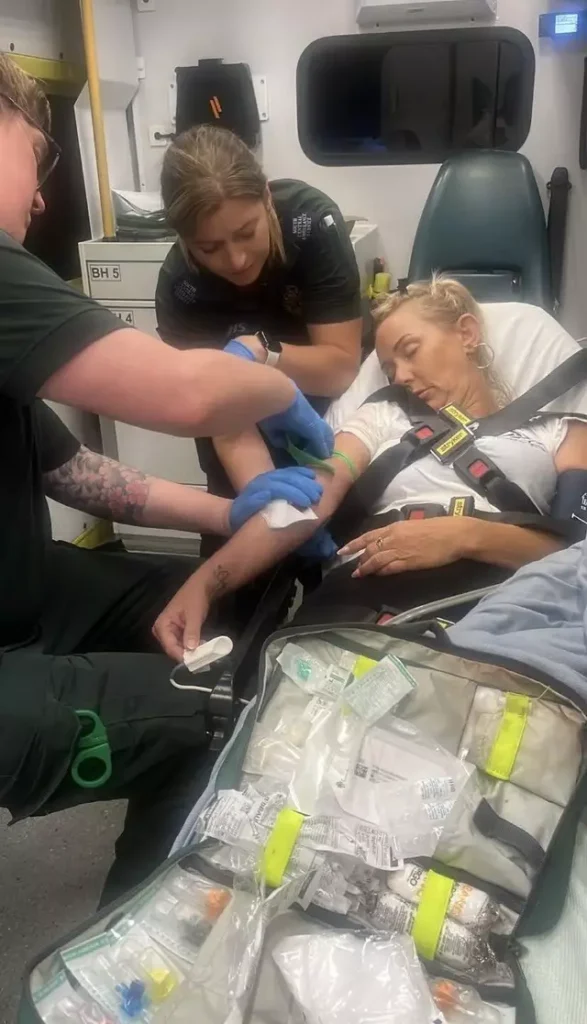
Her teenage daughter returned home by chance and found her unresponsive. Emergency services were called, and paramedics worked for over an hour before rushing her to hospital.

Doctors later discovered her blood sugar levels were dangerously low. Medical staff concluded that the injection was not semaglutide at all, but insulin, which had triggered a severe hypoglycaemic episode and diabetic coma.

A narrow escape with lasting consequences

Sword was told that without rapid intervention, she may not have survived. The incident left her shaken and angry that counterfeit medications could be sold so easily.

She has since spoken out to warn others, describing the experience as a stark reminder that prescription drugs obtained outside regulated channels can be life-threatening.

Her message is not about weight loss itself, but about the risks of bypassing proper medical oversight.

Despite the best efforts of ambulance paramedics, Michelle Sword had to be rushed to hospital
Despite the best efforts of ambulance paramedics, Michelle Sword had to be rushed to hospital (SWNS/Michelle Sword)

What experts and manufacturers say

Health authorities have repeatedly warned that prescription-only medications should never be purchased from unverified sources. Experts note that counterfeit drugs may contain incorrect doses, the wrong active ingredient, or no effective medication at all.

The manufacturer of Ozempic has stated that patient safety is its top priority and that it works closely with regulators to identify and remove fake products from the market.

They stress that genuine treatments require a prescription and medical consultation, both to ensure safety and to confirm suitability.

A warning rooted in experience

Sword says she hopes her story will make others pause before trusting online deals that seem too good to be true.

The incident highlights a broader issue facing modern healthcare: when demand outpaces access, risks can shift from the condition being treated to the products themselves.

For Sword, the lesson came at a devastating cost. She now urges others to put safety before speed, and to remember that no cosmetic goal is worth risking a life.


Health Disclaimer
This article is for informational purposes only and is not intended as medical advice. Always consult a qualified healthcare professional before making any changes to your health, diet, or treatment.

Featured Image Credit: SWNS/Michelle Sword

Topics: DrugsOzempicWeight lossHealth

Doctors Issue Warning Over Rare Vision Side Effect Linked to Weight-Loss Drugs

Weight-loss medications have become a defining health trend of recent years. For many patients, they have offered new hope in managing diabetes and reducing weight when other approaches failed.

But doctors are now urging caution after highlighting a rare side effect that could have lasting consequences for a small number of users.

The warning focuses on medications containing semaglutide, a drug widely prescribed for type 2 diabetes and, in some cases, weight management. While the overall risk remains low, health authorities say awareness is essential.

Semaglutides have exploded in popularity.
Semaglutides have exploded in popularity (Michael Siluk/UCG/Universal Images Group via Getty Images)

Why these medications became so popular

Semaglutide-based treatments gained attention for their ability to regulate blood sugar while also reducing appetite. That combination has made them appealing to patients struggling with weight-related health issues.

Although some versions are approved specifically for weight loss, others are officially intended for diabetes treatment. Their off-label use, however, has surged as patients report significant reductions in appetite and body weight.

Experts stress that these medications can be effective when used appropriately and under medical supervision. Still, like all prescription drugs, they are not without potential side effects.

The vision issue doctors are monitoring

The latest concern involves a condition known as non-arteritic anterior ischemic optic neuropathy, or NAION. It is a disorder that affects blood flow to the optic nerve and can result in sudden vision changes.

Health authorities describe the symptoms as sudden, painless vision loss, often affecting one eye. Some people experience blurred or cloudy vision that can worsen quickly.

A recent study examining patients in several US states found that those affected tended to be older adults, with women representing a slightly higher proportion of cases. In one reported instance, a patient experienced vision problems shortly after beginning treatment.

How common is the risk?

Doctors emphasize that this side effect is rare. Current estimates suggest that roughly one in 10,000 patients taking semaglutide may experience this type of vision complication.

That low figure is important context, according to clinicians. Millions of people worldwide use these medications without developing serious eye problems.

The drugs do have some side effects.
The drugs do have some side effects (Michael Siluk/UCG/Universal Images Group via Getty Images)

However, specialists note that even rare risks deserve attention when the potential impact involves permanent vision changes.

What health authorities are advising

Regulatory agencies in the UK and elsewhere have advised patients to remain alert to any sudden changes in eyesight while taking semaglutide-based drugs.

They recommend seeking urgent medical care if vision becomes impaired rapidly or if any unusual visual symptoms appear. Early assessment can help determine whether the symptoms are related to the medication or another underlying condition.

Healthcare professionals are also being encouraged to discuss this potential risk with patients, particularly those who may already have risk factors for eye disease.

Balancing benefits and risks

Drug manufacturers maintain that the overall benefit-risk profile of semaglutide remains favorable. They point to extensive safety monitoring and ongoing collaboration with regulators worldwide.

Medical experts generally agree that the medications continue to play an important role in diabetes care and, for some patients, weight management. The key issue is informed use rather than alarm.

What matters most, doctors say, is that patients do not stop or start medications without professional guidance. Sudden changes in treatment can carry their own risks.

What patients should keep in mind

For most people, semaglutide treatments are well tolerated and effective. The newly highlighted side effect does not change that reality for the vast majority of users.

Still, awareness can make a difference. Recognizing early warning signs and maintaining regular medical check-ups allows potential problems to be addressed promptly.

As with any medication, informed decisions, open conversations with healthcare providers, and careful monitoring remain the foundation of safe and effective treatment.

Health Disclaimer
This article is for informational purposes only and is not intended as medical advice. Always consult a qualified healthcare professional before making any changes to your health, diet, or treatment.

Featured Image Credit: Peter Dazeley/Getty

Topics: NewsUS NewsHealthUK NewsOzempicDrugs