Most people know the classic heart attack warning signs.
Crushing chest pain. Shortness of breath. A wave of nausea or anxiety that feels impossible to ignore.
But doctors say some symptoms can surface days before a heart attack — and they’re far easier to miss.
The breathing change many people dismiss
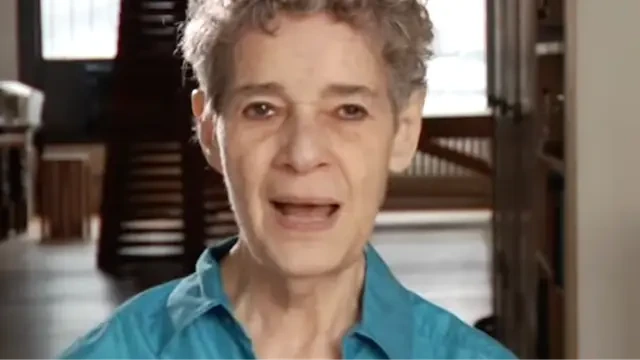
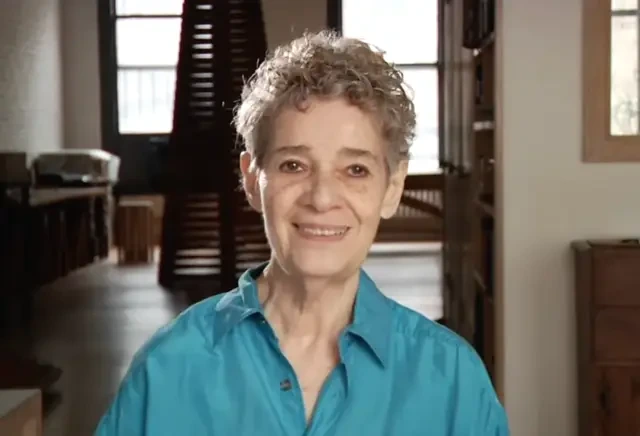
According to Dr Obaidur Rahman, one overlooked symptom is a condition called orthopnea.
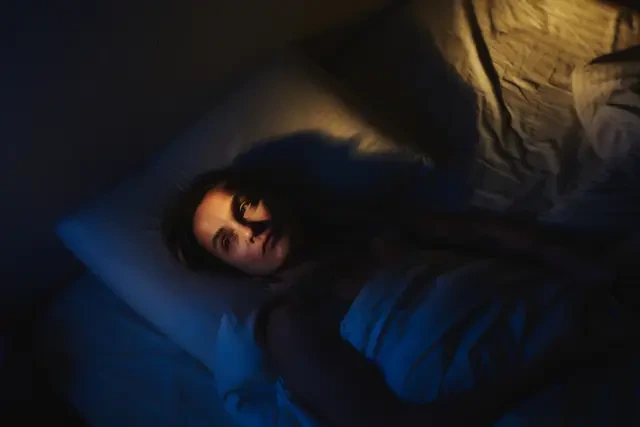
Orthopnea describes shortness of breath that happens specifically when lying flat. People may find they breathe more comfortably when sitting upright or propped up on pillows.
It doesn’t always feel dramatic. Sometimes it simply feels like you “can’t quite get comfortable” at night.
Why lying down can make it worse
When you stand or sit upright, gravity helps pull blood toward your lower body.
When you lie flat, that assistance disappears. Blood shifts back toward the chest.
In a healthy heart, this change isn’t a problem. But if the heart is weakened or struggling, that extra fluid pressure can back up into the lungs.
That can make breathing feel labored, especially at night.
Why it’s easy to ignore
Shortness of breath while lying down can be blamed on many things.
Stress. Anxiety. Poor sleep. Even indigestion.
Some people simply add another pillow and carry on.
Dr Rahman has suggested that many people overlook this signal, particularly if they don’t have obvious chest pain. That matters because timing is critical when it comes to heart attacks.
The better-known heart attack warning signs
Health authorities such as the NHS and the CDC list common acute symptoms of a heart attack as:
- Chest pain or pressure
- Pain spreading to the arm, neck, jaw, or back
- Shortness of breath
- Sweating
- Feeling faint or nauseated
These symptoms require urgent medical attention.
But the challenge is that early heart attack symptoms don’t always follow a script.

When breathing changes deserve attention
If someone suddenly needs to sleep upright to feel comfortable, wakes up gasping for air, or notices unexplained nighttime breathlessness, it’s worth discussing with a healthcare professional.
Orthopnea can also be linked to other heart-related conditions, including heart failure. It doesn’t automatically mean a heart attack is imminent, but it signals that the heart may not be coping as well as it should.
Here’s where things get important: subtle symptoms are often the ones people delay acting on.
Why early action matters
When a heart attack occurs, blood flow to part of the heart muscle becomes blocked.
The faster treatment begins, the better the chances of limiting damage. Minutes matter.
That’s why experts consistently stress that unusual, persistent, or worsening symptoms — especially breathing difficulties combined with chest discomfort — should never be ignored.
What’s often overlooked is that the body sometimes gives smaller warning signs before a major event.
A reminder, not a diagnosis
Shortness of breath at night can have many causes, including respiratory conditions, anxiety, or sleep disorders.
But if it’s new, unexplained, or paired with other concerning symptoms, seeking medical advice can provide clarity and peace of mind.
When it comes to heart health, caution tends to be safer than assumption.
Featured Image Credit: Getty Images
Topics: World News, Health