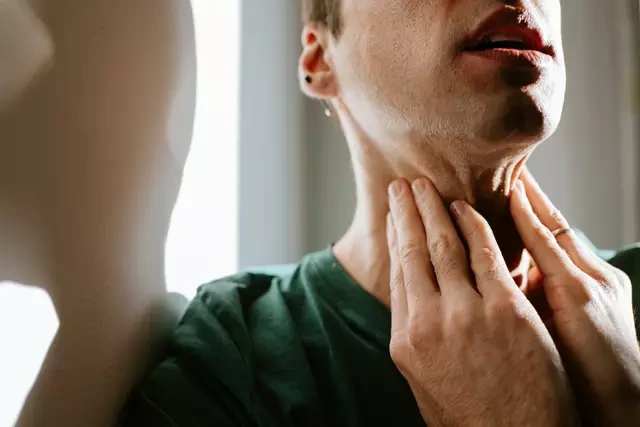
Doctor Reveals Three Actions That Could Make a Difference If You’re Choking Alone
Choking is one of those emergencies people rarely plan for. It often happens suddenly, usually while eating, and most assume someone else will be nearby if things go wrong.
But that isn’t always the case. Doctors say that when choking happens in isolation, awareness and quick thinking can become critical in the moments that follow.
That reality has sparked widespread discussion online after a doctor explained three actions that may help in such a situation, particularly when immediate help is not available.
Why choking remains a serious risk
According to data cited by safety organisations, thousands of people die each year from choking-related incidents. Older adults are considered at higher risk, but experts note that choking can affect people of any age.
Food is the most common cause, especially when eating quickly, talking while chewing, or consuming foods that are difficult to swallow. When a blockage occurs in the airway, oxygen levels can drop rapidly.
That matters because loss of oxygen can lead to unconsciousness within minutes, leaving very little margin for error.
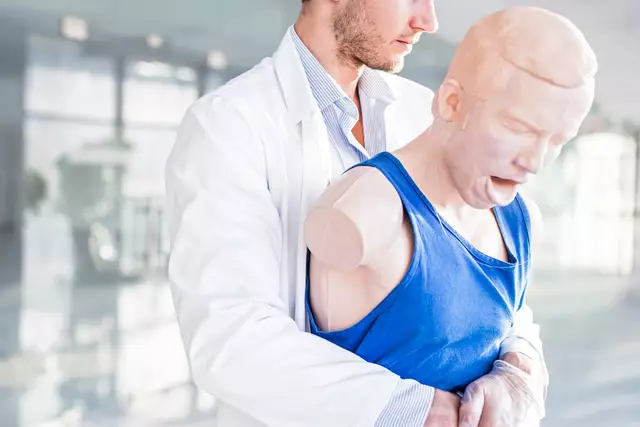
The challenge of being alone during an emergency
In many cases, choking is resolved because someone nearby recognises the signs and intervenes. When no one else is present, the situation becomes far more complex.
Doctors say panic is a natural response, but it can also make it harder to act. This is why emergency physicians often emphasise preparation and general awareness, rather than relying on improvisation under stress.
One doctor who recently addressed the issue online focused on what people might consider if they find themselves alone and unable to breathe properly.
Alerting emergency services early
The first point highlighted by the doctor involved contacting emergency services as quickly as possible, if that is feasible. Even a brief call can start the process of getting help on the way.
Medical professionals note that modern devices, such as smartphones and smartwatches, may make this easier in some circumstances. Starting that chain of response early can buy valuable time, even if further action is still required.
Experts stress that this is about awareness, not guarantees. Outcomes can vary widely depending on the situation.
Using body movement to address an airway blockage
The doctor also discussed methods commonly referenced in first-aid education that involve generating force from the body itself. These approaches are designed to create pressure that may help dislodge an obstruction.
Clinicians explain that such techniques are widely taught in emergency response training, though their effectiveness can depend on factors like strength, positioning, and the nature of the blockage.
What’s often overlooked is that attempting these actions alone can be physically demanding, especially when breathing is already compromised.

Making use of surrounding objects
Another point raised involved using everyday surroundings to assist in creating the necessary motion to clear an airway. Chairs or other stable objects are sometimes mentioned in first-aid contexts for this reason.
Health professionals caution that while these ideas are discussed publicly, they are not substitutes for proper training. They are mentioned to raise awareness of what people might encounter in first-aid guidance, not to replace professional instruction.
The emphasis remains on prevention, preparedness, and knowing when to seek immediate medical attention.
Why awareness matters more than confidence
Doctors are careful to stress that choking emergencies are unpredictable. No single approach works in every case, and attempting to act without understanding the risks can be dangerous.
That is why many clinicians encourage people to take accredited first-aid courses and to be mindful of choking hazards, particularly for children and older adults.
For those who worry about being alone during an emergency, understanding the risks and recognising early warning signs may be just as important as knowing what actions are commonly discussed.
A broader conversation about safety
The discussion has resonated with many people who say choking alone is a common fear. While the scenario is unsettling, doctors say calm awareness is more useful than panic-driven thinking.
Ultimately, experts agree on one key point: choking is a medical emergency. Any suspected airway blockage that does not resolve quickly requires urgent professional care.
Raising awareness, they say, is not about encouraging self-reliance, but about helping people recognise danger early and respond responsibly.
Health Disclaimer
This article is for informational purposes only and is not intended as medical advice. Always consult a qualified healthcare professional before making any changes to your health, diet, or treatment.
Featured Image Credit: Getty Stock Images
Topics: Health,