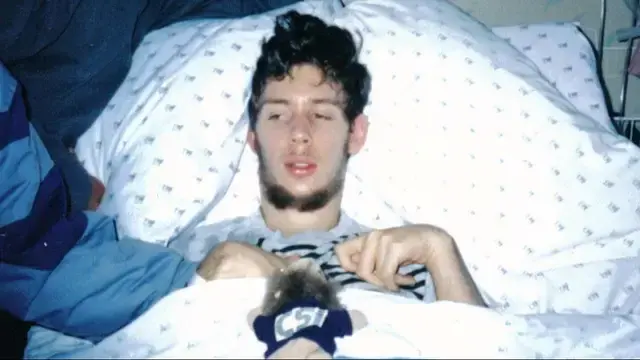
Some stories stop you mid-scroll because they force a simple question: what if you were awake, aware, and still unable to tell anyone?
That’s the reality Martin Pistorius says he lived through for years after a childhood illness changed his life in ways his family never expected.
A childhood illness that spiraled fast
Pistorius was a 12-year-old in South Africa when a sore throat turned into something far more serious.
He was taken to hospital and later diagnosed with cryptococcal meningitis and tuberculosis affecting the brain. Treatments were attempted, but his condition worsened rather than improved.
Over time, he developed what is often described as locked-in syndrome, a rare neurological condition where a person may remain conscious but cannot move or communicate in typical ways.
When the world assumes you’re not there
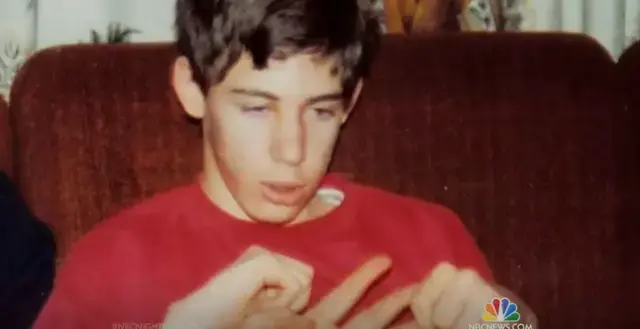
For his family and caregivers, the outward signs looked bleak.
Pistorius has described a period where he appeared unresponsive, and the expectations around him narrowed to survival, not recovery. Doctors reportedly told his loved ones his outlook was poor.
But in his own account, the most frightening part was not pain. It was the feeling of being present while everyone else believed he was gone.
He has said it felt like his entire life was managed by other people—what he wore, where he went, what happened next—without any way to protest, agree, or even signal that he understood.
The moment awareness returned, unnoticed
Years later, Pistorius says something shifted.
Around his mid-teens, he became increasingly aware of conversations around him. He could hear people discussing him in real time, including remarks that didn’t match what he felt inside.
One memory he has shared publicly is hearing people talk about facial hair and shaving, while he still felt like a child. The disconnect terrified him. He understood what was being said, yet had no control to respond.
For a long time, those around him did not recognize the change. To the outside world, he still looked the same.
A therapist who noticed “something” others missed
The turning point, according to Pistorius, came years later at a day centre when he met therapist Virna van der Walt.
She noticed signs that suggested he might be more aware than anyone realized. It wasn’t a dramatic medical breakthrough. It was observation, patience, and a willingness to question assumptions.
Van der Walt urged his family to seek an assessment from specialists in augmentative and alternative communication. That step helped confirm he could understand what was happening around him.
Finding a voice through technology
Once the reality of his awareness became clear, the focus shifted to communication.
Pistorius eventually began using a computer-based system designed to help people who can’t speak. Using a head-mounted pointer, he could select letters and words, building sentences slowly but reliably.
It wasn’t instant freedom, but it was a way back into conversation, decision-making, and independence—one selection at a time.
A life rebuilt, piece by piece
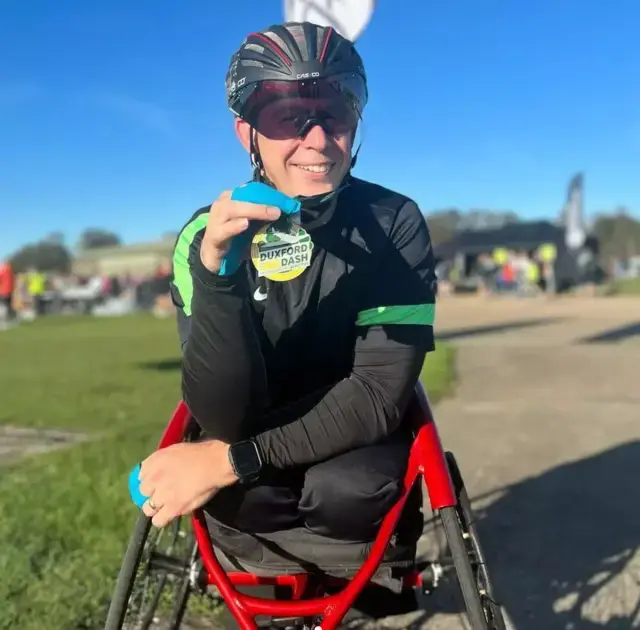
Years after being unable to communicate, Pistorius has gone on to achieve milestones many people take for granted, and others consider out of reach.
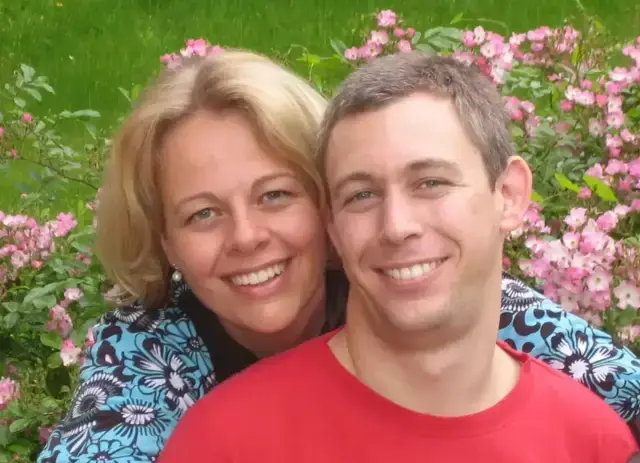
He has spoken about completing higher education, learning new skills, and building a family life. He later married and became a father.
In messages shared with the public, he has also expressed gratitude to people who supported him through the most isolating years—especially those who treated him as a person first, not a diagnosis.
Why his story still resonates
What’s often overlooked is how easily “unresponsive” can be mistaken for “unaware.”
Pistorius’ experience has become a powerful reminder of why careful assessment, respectful care, and thoughtful communication support can matter so much—especially in cases involving severe neurological illness.
For him, it started with someone noticing a small sign and choosing to follow it. And that choice changed the rest of his life.
Featured Image Credit: Supplied
