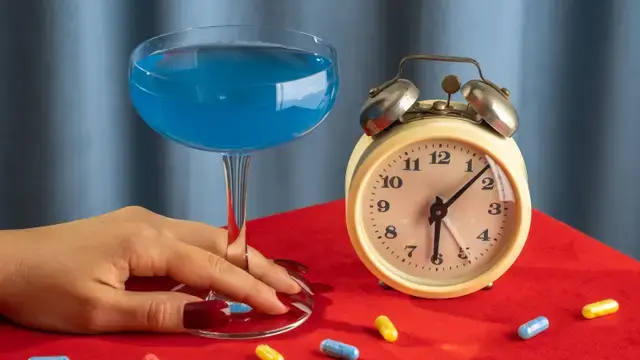
A drink with dinner can feel harmless. But if you’re taking certain medications, alcohol can change how those drugs work in your body — and not in a good way.
Some combinations can increase side effects like dizziness and drowsiness. Others can interfere with how a medication is processed, which may raise the risk of complications.
That’s why pharmacists often give the same simple warning: if your label says avoid alcohol, take it seriously.
Why alcohol can be a problem with medicine
Alcohol affects the brain, the liver, and the stomach. Many medicines do too.
When they overlap, the impact can stack. You may feel more sedated than expected, your reactions can slow, and your judgement can take a hit.
In other cases, alcohol can alter the way a drug is broken down, which may make it less effective or increase unwanted effects.
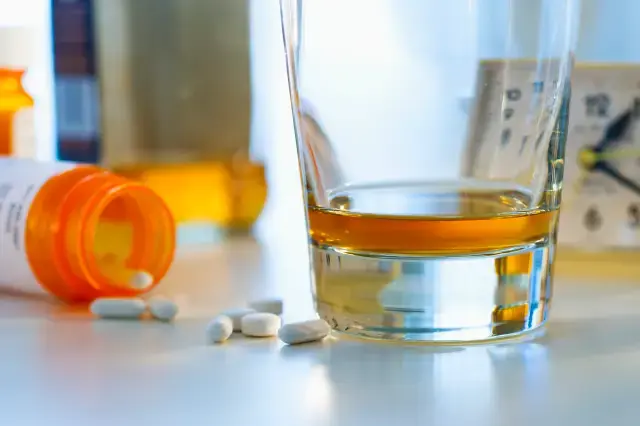
Antibiotics
Antibiotics are commonly prescribed for infections, but alcohol is often advised against while you’re taking them.
Some antibiotics are known for causing particularly unpleasant reactions when combined with alcohol. Pharmacists frequently point to metronidazole as a key example, where mixing with alcohol may trigger severe nausea and vomiting in some people.
Even when a reaction isn’t considered “dangerous,” drinking while unwell can still make recovery harder by worsening dehydration, sleep disruption, or stomach irritation.
Blood thinners
Blood thinners help prevent clots and can be critical for people at risk of stroke or heart attack.
Alcohol can complicate that picture. With medications such as warfarin, drinking may affect how the drug is processed and how well blood clotting is controlled.
That can increase the risk of bleeding complications in some cases — and it can also reduce predictable control of the medication, which is exactly what patients and clinicians try to avoid.

Antidepressants
Alcohol and antidepressants are a common combination people assume is “fine in moderation,” but it can still be risky.
Alcohol can worsen low mood and may blunt the benefit of antidepressant treatment for some people. Certain antidepressants can also cause drowsiness or dizziness, and alcohol can make those effects stronger.
Health services including the NHS have warned about combining alcohol with antidepressants because it can increase side effects and may affect how well treatment works.
ADHD medications
Many ADHD medications are stimulants. Alcohol is a depressant. Mixing the two can create misleading signals in the body.
One concern that experts raise is that stimulant medications may mask how intoxicated someone feels. That can lead to drinking more than intended, because the “buzz” doesn’t feel as strong early on.
The risk isn’t just about feeling drunk. It’s about the decisions people make when they don’t realize how impaired they’ve become.
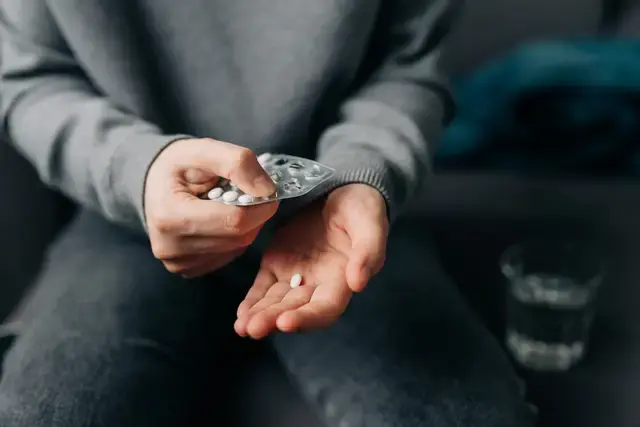
Antipsychotic medications
Antipsychotic medications can already cause sedation, slowed reaction time, and dizziness in some patients.
Alcohol can intensify those effects and increase the likelihood of accidents, including falls. It can also affect mood and judgement, which can be especially concerning for anyone managing a mental health condition.
Because these medications vary widely, clinicians often advise patients to avoid alcohol unless they’ve been specifically told it’s safe for them.
Sleeping tablets and sedatives
This is one of the clearest “don’t mix” categories.
Sleeping pills, sedating antihistamines, and some anti-anxiety medications can slow the central nervous system. Alcohol can do the same.
Together, they may increase drowsiness, confusion, and impaired breathing in a way that becomes dangerous — especially for older adults, or anyone with underlying health conditions.
What to do if you’re unsure
Medication guidance isn’t one-size-fits-all. The safest move is to follow the label and ask a pharmacist or prescriber if you’re not sure what applies to your specific prescription.
If you’ve already mixed alcohol with a medication and feel unwell — especially if you have severe symptoms — seek urgent medical advice.
Featured Image Credit: Westend61 / Getty Images
