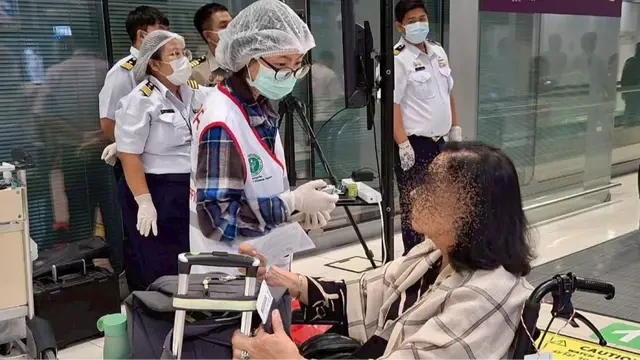
A virus with no known cure has triggered renewed concern among health officials, prompting several countries to introduce airport screening measures reminiscent of the early days of COVID-19.
The focus is the Nipah virus, a rare but serious illness with a high fatality rate, which has recently been confirmed in parts of eastern India. While outbreaks of Nipah are not new, experts say early containment remains the most effective defense.
New cases raise regional concerns
India has confirmed at least two recent Nipah virus cases in West Bengal, involving healthcare workers who were on duty together in late December. Both individuals became unwell shortly afterward and were admitted to intensive care in early January.
Health authorities say the cases highlight the ongoing risk of transmission in clinical settings, particularly when staff are in close contact with infected patients.
Why Nipah virus alarms health officials
The Nipah virus is known for its severity. Experts estimate its fatality rate can range between 40 and 75 percent, depending on the outbreak and the level of medical support available.
There is currently no specific cure for the virus, and treatment focuses on supportive care and managing complications. That reality makes prevention and early detection especially critical.

Airports introduce precautionary measures
In response to the latest cases, Nepal, Thailand, and Taiwan have introduced enhanced airport health procedures for passengers arriving from areas considered at risk.
These steps mirror measures used during the COVID-19 pandemic and may include health declaration forms, fever screening, isolation rooms, and requirements for medical certificates for passengers showing symptoms.
Officials stress these actions are precautionary, aimed at reducing the likelihood of wider transmission rather than signaling an immediate global threat.
A doctor’s warning from outbreak experience
Dr. Seethu Ponnu Thampi, a community medicine specialist with the Kerala Health Service Department, has spoken publicly about the importance of rapid containment. She was a medical student during a major Nipah outbreak in Kozhikode in 2018.
According to Dr. Thampi, stopping transmission early is essential. That includes preventing the virus from spreading from animals to humans and limiting human-to-human transmission once cases are identified.
How the virus spreads
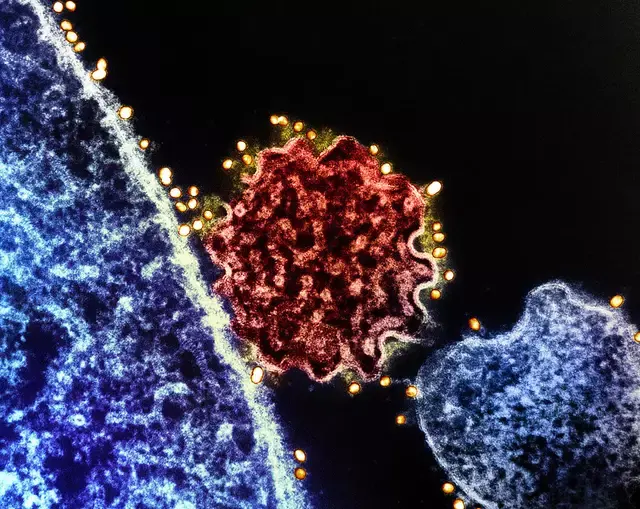
Nipah is classified as a zoonotic disease, meaning it spreads from animals to humans. Fruit bats are considered the primary natural hosts, and human infection can occur through contact with contaminated food or surfaces.
Human-to-human transmission is also possible, particularly in healthcare environments. Doctors say this places healthcare workers at higher risk, especially during procedures that generate aerosols.
Advice for high-risk areas
Experts recommend increased caution in regions experiencing outbreaks. This includes avoiding areas with dense vegetation where fruit bats are known to gather and being vigilant about hygiene and food safety.
Healthcare professionals working in affected areas are advised to use appropriate protective equipment and follow strict infection control protocols.
Why early action matters
Specialists emphasize that Nipah outbreaks tend to spread less during the virus’s incubation period, offering a narrow but valuable window for containment.
Airport screening, public awareness, and rapid isolation of suspected cases are seen as key tools to prevent wider transmission. While these measures may feel familiar after COVID-19, health officials say they are necessary when dealing with high-risk viruses.
A cautious but measured response
Public health experts stress that while Nipah is dangerous, it is not easily transmissible on the same scale as respiratory viruses like COVID-19.
Still, the combination of high fatality rates and the absence of a cure means even small outbreaks are taken seriously. For now, authorities say vigilance — not panic — is the most appropriate response.
Health Disclaimer
This article is for informational purposes only and is not intended as medical advice. Always consult a qualified healthcare professional or official health authority for guidance on infectious diseases or symptoms.
Featured Image Credit: Facebook/SuvarnabhumiAirport
Topics: News, World News, Coronavirus
