Man “Locked In” for Years Shares His Remarkable Comeback

Some stories stop you mid-scroll because they force a simple question: what if you were awake, aware, and still unable to tell anyone?

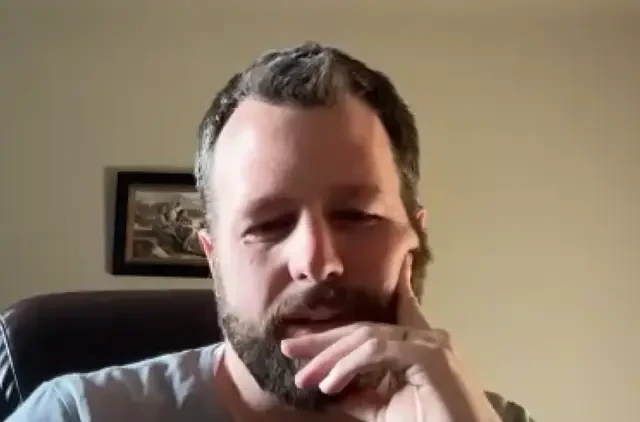
That’s the reality Martin Pistorius says he lived through for years after a childhood illness changed his life in ways his family never expected.

A childhood illness that spiraled fast

Pistorius was a 12-year-old in South Africa when a sore throat turned into something far more serious.

He was taken to hospital and later diagnosed with cryptococcal meningitis and tuberculosis affecting the brain. Treatments were attempted, but his condition worsened rather than improved.

Over time, he developed what is often described as locked-in syndrome, a rare neurological condition where a person may remain conscious but cannot move or communicate in typical ways.

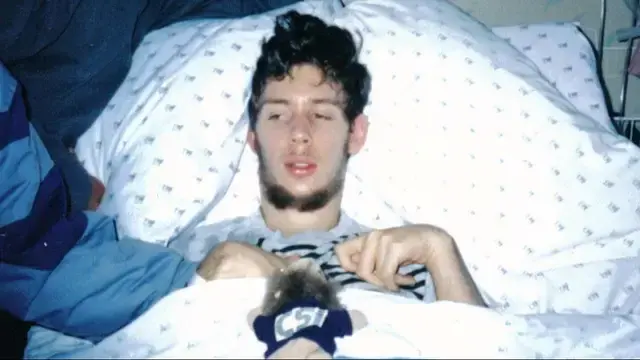
Martin Pistorius made a miraculous recovery from 'locked-in syndrome', but his fight was an uphill battle.
Martin Pistorius made a miraculous recovery from ‘locked-in syndrome’, but his fight was an uphill battle (Supplied)

When the world assumes you’re not there

For his family and caregivers, the outward signs looked bleak.

Pistorius has described a period where he appeared unresponsive, and the expectations around him narrowed to survival, not recovery. Doctors reportedly told his loved ones his outlook was poor.

But in his own account, the most frightening part was not pain. It was the feeling of being present while everyone else believed he was gone.

He has said it felt like his entire life was managed by other people—what he wore, where he went, what happened next—without any way to protest, agree, or even signal that he understood.

The moment awareness returned, unnoticed

Years later, Pistorius says something shifted.

Around his mid-teens, he became increasingly aware of conversations around him. He could hear people discussing him in real time, including remarks that didn’t match what he felt inside.

One memory he has shared publicly is hearing people talk about facial hair and shaving, while he still felt like a child. The disconnect terrified him. He understood what was being said, yet had no control to respond.

For a long time, those around him did not recognize the change. To the outside world, he still looked the same.

The man has since found love with his wife, with the pair welcoming a son into the world.
The man has since found love with his wife, with the pair welcoming a son into the world (Supplied)

A therapist who noticed “something” others missed

The turning point, according to Pistorius, came years later at a day centre when he met therapist Virna van der Walt.

She noticed signs that suggested he might be more aware than anyone realized. It wasn’t a dramatic medical breakthrough. It was observation, patience, and a willingness to question assumptions.

Van der Walt urged his family to seek an assessment from specialists in augmentative and alternative communication. That step helped confirm he could understand what was happening around him.

Finding a voice through technology

Once the reality of his awareness became clear, the focus shifted to communication.

Pistorius eventually began using a computer-based system designed to help people who can’t speak. Using a head-mounted pointer, he could select letters and words, building sentences slowly but reliably.

It wasn’t instant freedom, but it was a way back into conversation, decision-making, and independence—one selection at a time.

A life rebuilt, piece by piece

Years after being unable to communicate, Pistorius has gone on to achieve milestones many people take for granted, and others consider out of reach.

He has spoken about completing higher education, learning new skills, and building a family life. He later married and became a father.

In messages shared with the public, he has also expressed gratitude to people who supported him through the most isolating years—especially those who treated him as a person first, not a diagnosis.
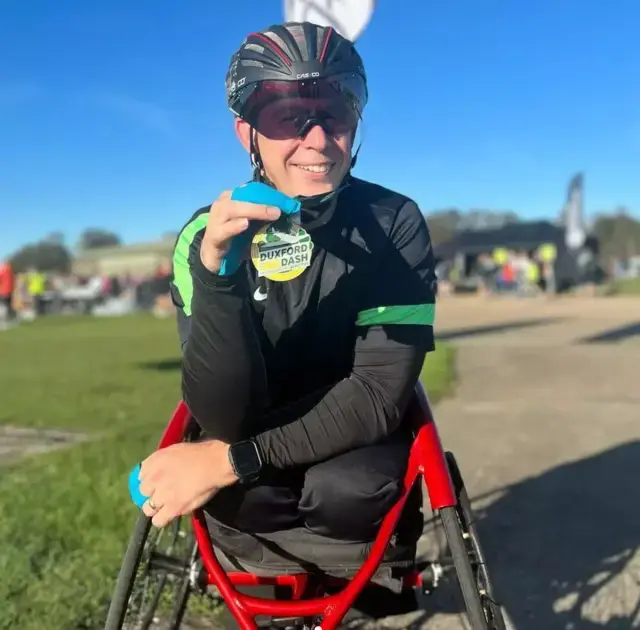
Pistorius has credited therapist Virna van der Walt for noticing the 'sparkle' in his eye again.
Pistorius has credited therapist Virna van der Walt for noticing the ‘sparkle’ in his eye again (martinpistorius/Instagram)

Why his story still resonates

What’s often overlooked is how easily “unresponsive” can be mistaken for “unaware.”

Pistorius’ experience has become a powerful reminder of why careful assessment, respectful care, and thoughtful communication support can matter so much—especially in cases involving severe neurological illness.

For him, it started with someone noticing a small sign and choosing to follow it. And that choice changed the rest of his life.

Featured Image Credit: Supplied
Topics: HealthUS News

Expert Explains 3 Reasons You Shouldn’t Take Mounjaro’s “Golden Dose”

If you’ve spent any time in weight-loss jab communities online, you’ve probably seen it mentioned: the “golden dose.”

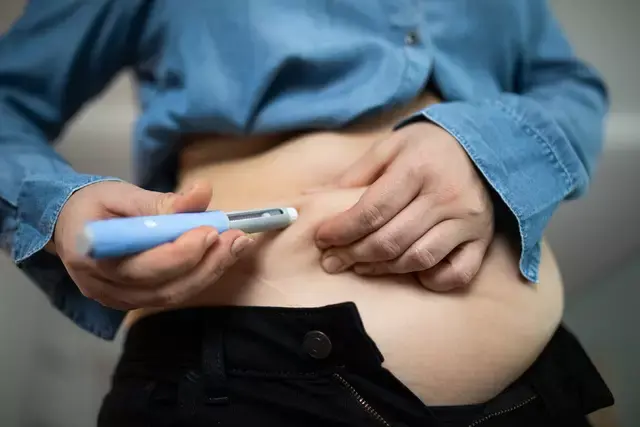
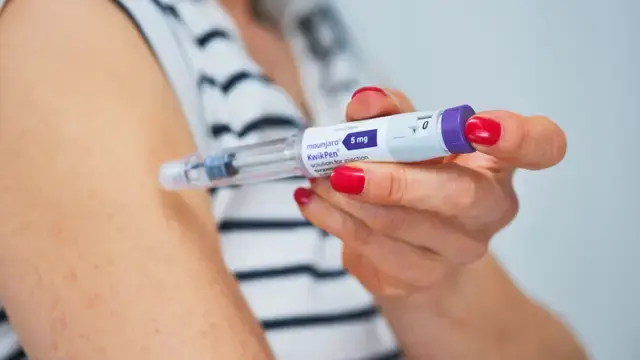
The idea is simple. People notice there’s still liquid left in a Mounjaro pen after the fourth injection, and some try to use it as an extra bonus shot.

Here’s the problem: experts say that leftover liquid is not an extra dose. It’s overfill, and using it can create avoidable risks.

What people mean by the “golden dose”

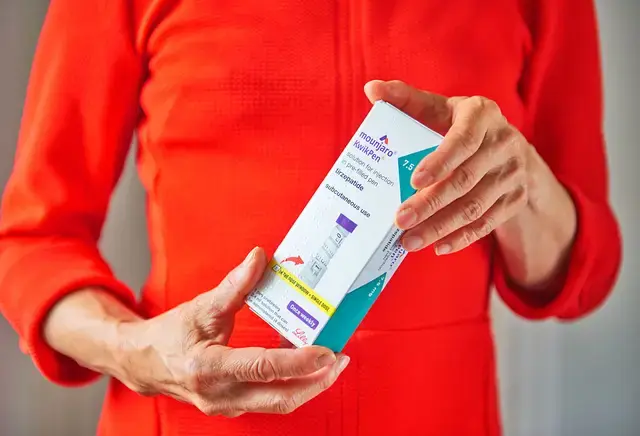
Mounjaro (tirzepatide) is a prescription injection used for specific medical indications, and many people now associate it with weight-loss support under clinical guidance.

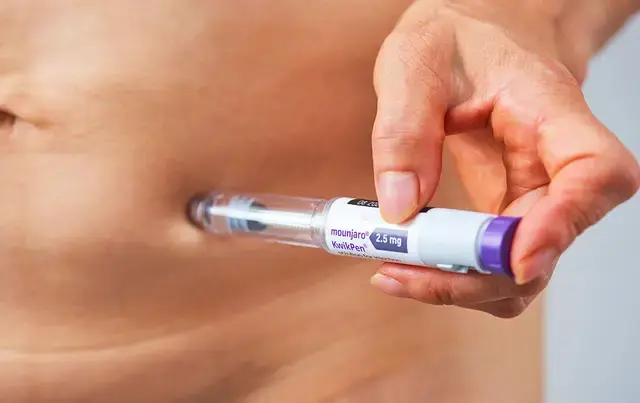
Each pen is designed to deliver four set doses. The device also includes a small amount of extra liquid. Manufacturers typically build in overfill so the pen can reliably deliver full, accurate doses each time.

That leftover liquid may look like “one more,” but it isn’t measured as a safe or consistent fifth dose.

Some people are using Mounjaro's 'golden dose.
Some people are using Mounjaro’s ‘golden dose’ (Peter Dazeley/Getty Images)

Reason 1: You can accidentally underdose and stall progress

When someone tries to stretch a pen, the first risk is surprisingly the opposite of what they expect.

If you start “saving” or pulling medication differently, you can end up taking less than your prescribed amount across multiple weeks. That matters because these treatments rely on steady dosing schedules to maintain predictable effects on appetite and blood sugar regulation.

People often blame the medication when results slow down. But inconsistent dosing can also explain why hunger cues return earlier than expected, or why progress feels uneven.

Using the 'golden dose' could lead to you underdosing.
Using the ‘golden dose’ could lead to you underdosing (Peter Dazeley via Getty Images)

Reason 2: You can accidentally overdose and feel very unwell

Some people see the extra liquid as a clever workaround, especially when access or cost feels stressful.

But pens are not designed for precision outside their intended use. When you attempt to extract leftover medication, you don’t know exactly how much you’re drawing up.

Taking more than prescribed can increase the chance of intense side effects. With GLP-1-related medications, that can include severe nausea, vomiting, diarrhea, and dehydration. In rare cases, serious complications can occur, and clinicians take those risks seriously.

Overdosing can trigger severe nausea and vomiting.
Overdosing can trigger severe nausea and vomiting (Getty Stock Image)

Reason 3: You may raise infection risk by using a pen outside its design

There’s also a practical safety issue that gets overlooked in social posts: sterility and storage.

Once you start using a pen in ways it wasn’t designed for, you increase the chance of contamination. That may raise the risk of injection-site irritation or infection.

Medication stability can also become an issue if a pen has been stored incorrectly or used beyond the recommended time window after first use. If the product degrades, it may become less effective, even if it looks normal.

If you notice redness, swelling, warmth, drainage at the injection site, fever, or you feel generally unwell after an injection, you should treat it as a reason to seek medical advice promptly.

Why “leftover” doesn’t mean “extra”

It’s easy to assume that if liquid remains, it must be usable. But device overfill exists to ensure accuracy, not to provide a hidden fifth dose.

That’s why the safest approach is also the simplest: use the pen exactly as directed and follow the dosing plan your clinician set for you.

It's important you ensure your pen is sterile and that the medication's still in date.
It’s important you ensure your pen is sterile and that the medication’s still in date (Getty Stock Image)

What to do if you’re worried your dose isn’t working

If you feel hungrier again, your weight loss slows, or side effects feel unmanageable, the answer usually isn’t to improvise with your pen.

A qualified healthcare professional can assess whether your dose needs adjustment, whether side effects require a slower increase, or whether something else is affecting your results. Organizations like the NHS, CDC, and Mayo Clinic consistently emphasize medication safety, correct use, and clinician oversight when it comes to prescription treatments.

Featured Image Credit: Peter Dazeley/Getty Images

Topics: MounjaroHealthNews

What Happens in Your First 4 Weeks on Weight-Loss Injections

Weight-loss injections have gone from “something celebrities do” to something everyday people ask their doctors about.

But the first month can feel confusing. Some people expect instant results. Others worry the moment they feel nauseous that something is wrong.

Here’s what experts say you may experience in the first four weeks, and why the early phase is often more about adjustment than dramatic change.

Why the first month feels different for everyone

Medications such as Wegovy and Ozempic contain semaglutide, which works by mimicking a hormone involved in appetite and blood sugar regulation. That’s why changes often start in your gut and your hunger cues before you see big changes on the scale.

Your dose also usually increases gradually over time. So “week one” is not the same experience as later months on a higher dose.

Weight loss injections are increasingly becoming more accessible.
Weight loss injections are increasingly becoming more accessible (Getty Stock Photo)

Week 1: Your body starts adjusting

In the first several days, some people notice appetite changes quickly. Meals may feel heavier, and it may become easier to stop eating sooner than usual.

Side effects can also show up early. Nausea, vomiting, diarrhea, constipation, stomach discomfort, headache, and fatigue are commonly reported with semaglutide-based treatments.

Not everyone gets side effects, and intensity varies. For some, it’s mild and short-lived. For others, it can affect routine for a few days.

Experts urge patients using weight-loss injections to stay hydrated.
Experts urge patients using weight-loss injections to stay hydrated (Getty Stock Photo)

Week 2: Side effects may begin to settle

By week two, many people find their body starts to adapt. If you had nausea or digestive upset at the start, it may lessen as you learn what foods and meal sizes feel best for you.

This can also be the stage where patterns become clear. Some people realize they feel worse after large meals, greasy food, or eating too fast. Others notice they’re simply less interested in snacking.

If symptoms feel persistent or severe, that’s usually a sign to check in with a clinician, because dosing schedules and tolerability matter.

Week 3: Appetite signals often change more noticeably

Around the third week, some people describe a more consistent shift in hunger.

You may feel full sooner, think about food less often, or find it easier to stick to smaller portions. Semaglutide is associated with appetite reduction and changes in digestion that can make fullness last longer.

This is also where expectations can get tricky. Feeling less hungry does not automatically guarantee balanced nutrition. Even if you’re eating less, your food choices still matter for energy, protein intake, and overall wellbeing.

Regular exercise can support a weight-loss journey.
Regular exercise can support a weight-loss journey (Getty Stock Photo)

Week 4: Early progress can appear, but it’s not just the scale

By week four, some people see early weight changes. Others don’t see much movement yet, especially if side effects limited activity or if the dose is still low.

What’s often overlooked is that these medications are also studied for broader health effects. Wegovy, for example, is indicated for chronic weight management in certain patients and has evidence tied to cardiometabolic outcomes in specific groups.

If your prescriber is tracking metrics like blood pressure, blood sugar, or cholesterol, this is when “non-scale wins” may start to show up for some people—though changes can take longer and depend heavily on your starting point and overall health.

Why prices and access are part of the conversation now

Access has been a major barrier, and pricing shifts have kept the conversation in the spotlight.

In November 2025, Novo Nordisk announced it was lowering the self-pay price for Wegovy and most doses of Ozempic in the U.S. from $499 to $349 per month, alongside a limited-time introductory offer for new self-pay patients.

Even with changing costs, experts continue to stress that these medications work best when they’re part of a clinician-supervised plan, not a shortcut.

Featured Image Credit: Getty Images

Topics: HealthOzempicWeight lossMounjaro

Love Island Star Lexy Thornberry, 24, Shares Cancer Diagnosis

Sometimes the scariest news arrives in the most ordinary setting. A quick appointment. A routine scan. A moment you expect to laugh off.

That’s the reality Lexy Thornberry says she’s been living since learning she has cancer at 24.

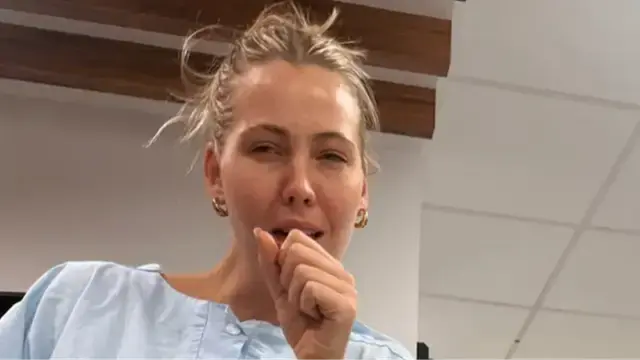
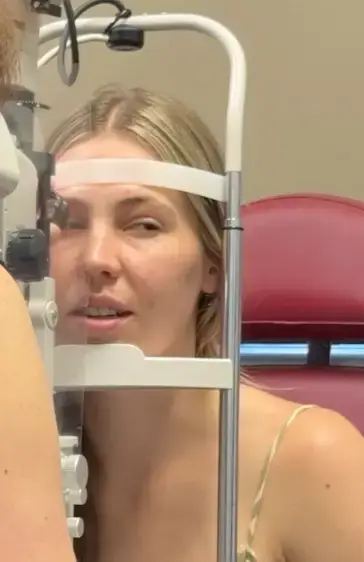
The former Love Island Australia contestant shared the diagnosis with followers in a series of posts, showing parts of her hospital visits and the emotional whiplash that came with it.

The moment she realized it wasn’t “just a check-up”

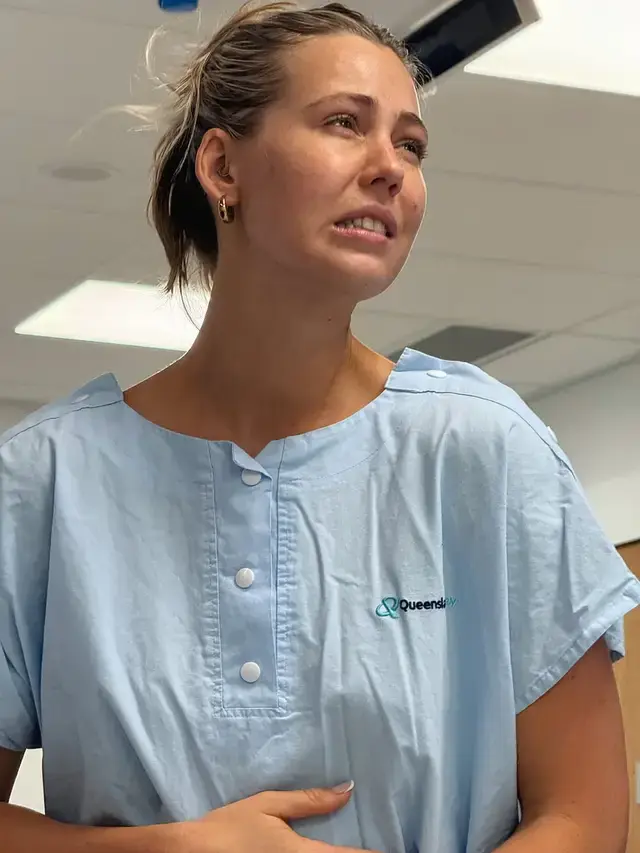
In one of her updates, Thornberry described how she initially didn’t believe anything serious was happening. She joked about being put in a robe for an X-ray, saying she thought it was “so dramatic.”

Within days, she said, she was diagnosed with head and neck cancer.

It’s the kind of detail that hits hard because it’s relatable: most people don’t walk into a clinic expecting life-changing news.

Lexy Thornberry shared her heartbreaking diagnosis.
Lexy Thornberry shared her heartbreaking diagnosis (Instagram/@lexythornberry)
She was candid about her gruelling treatment.
She was candid about her gruelling treatment (Instagram/@lexythornberry)

What she has shared about the diagnosis so far

Thornberry has kept some medical details private, but reports linked to her public posts describe the diagnosis as a rare form of head and neck cancer, with coverage noting nasopharyngeal carcinoma.

She also emphasized a message that many patients repeat after an unexpected diagnosis: she believes there was nothing she “did wrong” to cause it.

In her posts, she framed it as bad luck rather than a simple cause-and-effect story—something that can be important for readers to hear.

Treatment, hair, and the emotional “before and after”

Thornberry showed moments from treatment prep and hospital time, while also trying to keep pieces of her normal life intact.

One part that stood out to many followers: she talked about her hair being the “healthiest it’s ever been,” while facing the reality that chemotherapy can change that.

It’s not vanity. It’s mourning the little things that symbolize normal life—right before everything changes.

Her relationship update and why her fiancé matters in this story

Alongside her posts, Thornberry has appeared with her fiancé, New Zealand boxer David Nyika, as they navigate the diagnosis together.

She reportedly asked him to keep pursuing his career and not let the diagnosis consume every part of their lives. The message was clear: support doesn’t always look like stopping everything—it can also look like staying steady.

Lexy shared concerns about her hair.
Lexy shared concerns about her hair (Instagram/@lexythornberry)

The one request she made to the public

After sharing her diagnosis, Thornberry also asked for space.

She requested privacy while starting treatment, saying she would only share what she feels comfortable sharing for now.

That boundary is worth respecting—especially in a moment when public attention can feel overwhelming.

Why stories like this resonate so widely

Cancer diagnoses in young adults can feel especially shocking because people assume age equals safety. Health authorities often stress that symptoms and risk can vary widely by person, which is why persistent concerns should be taken seriously.

Thornberry’s story is also a reminder of something many people learn the hard way: you don’t always get a warning that “sounds serious” at first.

Featured Image Credit: Instagram/@lexythornberry

Topics: InstagramCancerHealthLove Island

Smoking Just 2 Cigarettes a Day Death Risk, Study Warns

A lot of smokers have a “small amount” rule. Two cigarettes a day. Weekends only. A few when stress hits.

Here’s the uncomfortable part: scientists say even that low level of smoking may still come with a meaningful health risk—especially for your heart.

The “only two a day” myth is getting challenged again

Smoking is widely known to damage health, but some people still assume the real danger starts at a pack-a-day habit.

New research tracking a large group of adults for years suggests that assumption is risky. The findings add to a growing message from public health experts: there’s no truly “safe” level of cigarette smoking.

Smoking even a little bit is still very bad for you.
Smoking even a little bit is still very bad for you (SimpleImages/Getty)

What the long-term study found

Researchers analyzed data from more than 300,000 adults followed over roughly two decades, focusing on people who smoked at low levels rather than heavy daily smokers.

The result that’s grabbing attention: people who reported smoking about two cigarettes a day showed a higher risk of death from any cause compared with people who had never smoked, according to the report.

The study also reported an elevated risk tied to cardiovascular outcomes, including heart disease.

Even if you already believe cigarettes are harmful, the takeaway is simple: cutting down is not the same as removing the risk.

Why the heart and blood vessels take a hit

Doctors often describe smoking as a direct attack on the cardiovascular system.

That’s because tobacco smoke and nicotine can damage the lining of blood vessels and speed up the buildup of plaque in the arteries—processes linked with coronary artery disease and heart problems over time.

This matters because heart disease isn’t rare, and smoking doesn’t need to be heavy to contribute to risk.

“No amount is harmless,” experts say

The study’s authors and clinicians quoted in coverage of the research stressed a point many smokers don’t want to hear: even very low cigarette use can be clinically meaningful.

At the same time, they emphasized something more hopeful: quitting can reduce risk, and the earlier someone stops, the better the long-term outlook tends to be.

Smoking causes a huge number of serious problems.
Smoking causes a huge number of serious problems (MarianVejcik/Getty)

Why this warning fits the bigger public health picture

The CDC continues to describe tobacco use as the leading cause of preventable disease and death in the United States.

So when a large study finds measurable risk at “just two a day,” it lands in a larger reality: cigarettes affect nearly every organ system, and the body doesn’t treat “light smoking” as harmless.

If you’re trying to quit, you’re not alone

Quitting can be difficult, especially if cigarettes are tied to routines, stress, or social life.

If you’re thinking about stopping, consider reaching out to a qualified healthcare professional or a local quit-support service for personalized help and options.

Featured Image Credit: Getty Images

Topics: HealthNewsScienceWorld NewsCancer

Nurse Shares 7 Things That Matter Most in Life, After 300 Deaths

Most of us don’t get a preview of our final chapter.
But some people do see that moment up close — not as a headline, but as a quiet, ordinary part of their job.

A nurse known as Laura M says she has been present for the final moments of more than 300 people. Over time, she started noticing patterns in what patients talked about, what they wished they’d done differently, and what they were most grateful for.

Her takeaway is simple: people don’t leave this world wishing they’d answered more emails.

Love people while you still can

One of the clearest themes, Laura says, is how much time gets wasted on pride.

She recalled a 92-year-old World War II veteran who hadn’t spoken to his brother for decades after an argument. Near the end, the man summed it up with brutal honesty: he “won” the argument, but lost a lifetime.

It’s a reminder that being right can be expensive.

People can bare their soul in their final moments.
People can bare their soul in their final moments (AlexanderFord/Getty)

Stop saving your joy for “later”

Another lesson that kept returning was how easily happiness gets postponed.

Laura described someone who built wealth out of fear — not out of passion or purpose. In the end, he realized he’d spent years collecting security while rarely letting himself enjoy it.

The point isn’t that money is bad. It’s that living in constant “someday” mode can quietly steal the present.

Forgiveness is lighter than resentment

Not every story is neat. Not every relationship gets repaired.
But Laura says many people want peace more than they want the last word.

She recalled a woman who said she couldn’t die angry. When her estranged son finally arrived, she chose to forgive — and the change was visible. Her breathing eased. The room felt calmer.

Even when forgiveness is hard, carrying anger to the finish line often feels harder.

The best moments are usually small (and free)

Laura says people rarely said they missed their job title.

They missed ordinary things: the smell of rain, birds in the morning, a pet’s familiar presence, the quiet comfort of home.

One former CEO, she recalled, captured it in a single line: he mistook being busy for being alive.

It’s the kind of quote that lands because it’s so easy to recognize in ourselves.

People missed the smell of rain.
People missed the smell of rain (Kryssia Campos/Getty)

Regret isn’t about failure — it’s about never trying

When people look back, Laura says they don’t always regret what went wrong.

They regret the chances they didn’t take: the trip they never booked, the hobby they never started, the risk they avoided because it felt safer to stay the same.

One patient put it plainly: they didn’t regret failing — they regretted never auditioning.

Trying and failing can sting. Never trying can echo for years.

Be where your feet are

Another repeated theme was presence.

Laura recalled a father who admitted he was always somewhere else — even when he was physically at home. Work, stress, screens, and constant distraction had eaten the moments he assumed would always be there.

The lesson isn’t to be perfect. It’s to notice when your life is happening in front of you.

Drop the act and live as yourself

Finally, Laura says authenticity matters more than people expect — and pretending is exhausting.

She described moments where people let go of performance at the end, almost like finally exhaling after decades. One woman removed her wig and said she was done pretending.

It’s a striking image because it isn’t about hair. It’s about relief.

Laura’s message, overall, isn’t morbid. It’s practical: love more openly, forgive faster, notice the small things, and stop delaying the life you keep meaning to start.

Featured Image Credit: Getty Stock Image

Topics: NewsHealthWorld News

Mom and 4-Year-Old Son Diagnosed With Cancer Same Day

Some days split life into “before” and “after.”
For one family in Oregon, that line was drawn in a matter of hours.

Britney McCrae and her four-year-old son, Jamon, were both diagnosed with cancer on the same day — a double blow that left their family trying to process two life-changing medical plans at once.

It started with headaches that wouldn’t let up

Jamon’s symptoms didn’t begin with anything dramatic.

His dad, Jake McCrae, said the four-year-old started complaining of headaches that grew worse over several days. As the pain “ramped up,” his parents decided they couldn’t wait it out.

They took him to the hospital, where doctors ordered an MRI.

That’s when the family got the first shock: the scan revealed a tumor.

Dad Jake described feeling 'helpless' about his loved ones diagnoses.
Dad Jake described feeling ‘helpless’ about his loved ones diagnoses (NewsWatch 12)

A surgery that stretched to 15 hours

The next steps moved quickly.

Jamon underwent surgery that lasted about 15 hours — far longer than the family expected. Jake said doctors initially believed the tumor could be benign, which offered a small sense of relief during an overwhelming moment.

But the real answers came later, when pathology results returned.

The pathology report brought the hardest news

On November 5, the family learned Jamon had an aggressive malignant brain tumor, according to reports cited in the original coverage.

The diagnosis meant the journey wasn’t ending with surgery. It was only beginning.

And then came the second shock — because that same day, Britney had an appointment of her own.

Mom’s diagnosis came within the same hour

While Jamon’s oncology care was being established, Britney learned she also had cancer.

She was diagnosed with gestational trophoblastic neoplasia, a rare group of conditions that can cause tumor growth during pregnancy instead of normal placental development. Medical sources describe it as uncommon, but treatable in many cases, often with chemotherapy.

Jake said their oncology appointments were about an hour apart. One parent was facing a child’s cancer plan, while the other was being given her own.

Britney and Jamon are now both undergoing treatment.
Britney and Jamon are now both undergoing treatment (NewsWatch 12)

Two treatments, one family trying to stay standing

Britney began chemotherapy.

Jamon later underwent a second major surgery on November 17, and the family has said his care plan includes weeks of radiation followed by months of chemotherapy.

The emotional strain is heavy, but the practical strain is just as real. The family is also caring for Jamon’s siblings while balancing hospital time, travel, and time away from work.

“Helpless” is the word the dad keeps coming back to

Jake has described the hardest part as feeling like he can’t fix it.

Not being able to take pain away. Not being able to swap places. Not being able to control what comes next.

It’s a feeling many families recognize — the moment you realize love isn’t the same as protection, even when you would do anything for the people in front of you.

Why this story is hitting people so hard

Cancer stories are never easy to read. But this one lands differently because it happened in such a tight window.

Two diagnoses. One day. A young child and his mom entering treatment at the same time.

And in the middle of it, a family trying to keep life going — meals, bedtime, siblings, hospital updates — while everything else has shifted.

Featured Image Credit: NewsWatch 12

Topics: CancerGoFundMeHealthUS News

Experts Warn: Don’t Pop These Common White Spots on Your Skin or Genital Area

Tiny white bumps can look harmless. Sometimes they’re barely noticeable until a mirror, bright light, or a close-up photo makes them impossible to ignore.

For many people, the first instinct is simple: squeeze it, pick it, or try to “extract” it like a whitehead.

Here’s the problem. Dermatology experts say some of the most common white spots people panic about are not acne at all — and treating them like acne can leave you with irritation, scarring, or even infection.

Why white bumps aren’t always pimples

A lot of bumps get lumped into the same category because they’re small, pale, and raised.

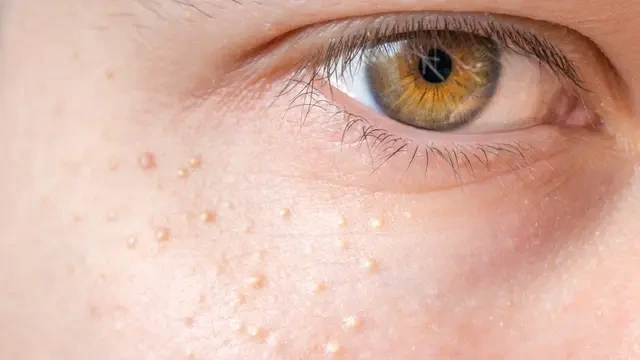
But skin specialists often point to two different culprits depending on where the bumps show up: milia (usually on the face) and Fordyce spots (often on the lips or genital area).

They can look similar at first glance. The cause and the best next step can be very different.

Many people experience white spots on their face and body.
Many people experience white spots on their face and body (Getty Stock Image)

Milia: the “stubborn” white bumps often seen on the face

Milia are tiny cysts that form when keratin (a protein found in skin, hair, and nails) gets trapped under the surface.

They often appear around the eyes, on the cheeks, or near the nose and lips. And unlike acne, they don’t behave like acne.

Dermatology experts describe milia as firm bumps that are difficult to “pop” because they sit under a thin layer of skin. That’s why squeezing usually fails — and why people end up pressing harder, damaging the surrounding area.

What’s often overlooked is this: when you pick at milia, you’re not clearing a clogged pore. You’re tearing skin.

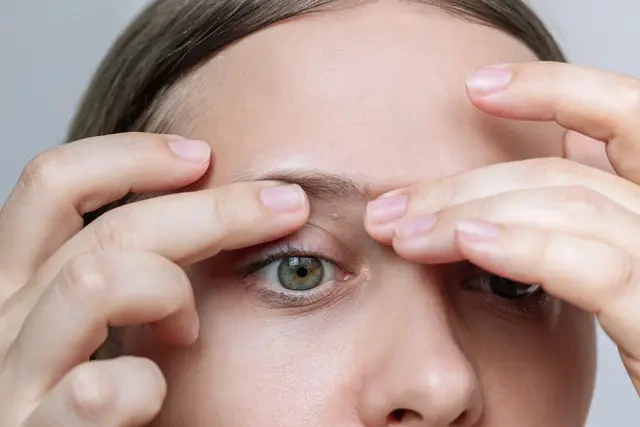
Experts have issued a warning about the spots.
Experts have issued a warning about the spots (Getty Stock Image)

Fordyce spots: common bumps that can appear on “private parts”

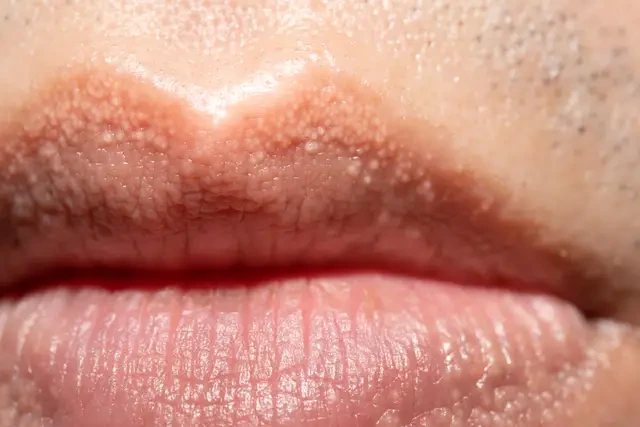
If the white or flesh-colored spots show up on the lips or in the genital region, they may be Fordyce spots.

Medical sources like the Cleveland Clinic describe Fordyce spots as visible oil glands. Many people are born with them, and they can become more noticeable during or after puberty.

They are common, they are not the result of poor hygiene, and they are not automatically a sign of a sexually transmitted infection.

Still, their location can make them stressful. That anxiety is exactly why experts emphasize getting a professional opinion if you’re unsure — especially if anything changes quickly or looks inflamed.

The one thing experts agree on: don’t squeeze or pick

This is where the “serious warning” comes in, and it’s not about scare tactics. It’s about simple skin biology.

With milia, squeezing often does nothing because the contents are firm and trapped. Trying to force it can break the skin barrier and raise the risk of irritation and scarring.

With Fordyce spots, picking can create tiny wounds. Health resources like Healthline warn that damaging the skin can increase the risk of infection.

In other words, the bump may be harmless — but your attempt to remove it might not be.

Fordyce spots can appear on the lips.
Fordyce spots can appear on the lips (Getty Stock Image)

When it’s worth getting checked

Most people don’t need emergency care for a few small white spots.

But it is smart to speak with a clinician if you notice any of the following:

  • Rapid changes in size, color, or shape
  • Pain, bleeding, crusting, or discharge
  • Spreading irritation or swelling
  • A new cluster of bumps after a sexual encounter
  • Ongoing worry because you’re not sure what you’re seeing

A quick exam can save weeks of stress and prevent unnecessary skin damage.

Are there safe treatment options?

Some people choose to leave these bumps alone, especially if they’re not causing discomfort.

If someone wants treatment for cosmetic reasons, options may exist — but they should be guided by a qualified professional. Medical sources note that milia can sometimes be treated with certain topical products or in-office procedures.

For Fordyce spots, some treatments may reduce their appearance, but results can vary. What matters most is avoiding DIY “removal” attempts that can lead to complications.

Featured Image Credit: Getty Stock Image

Topics: HealthNewsBeauty

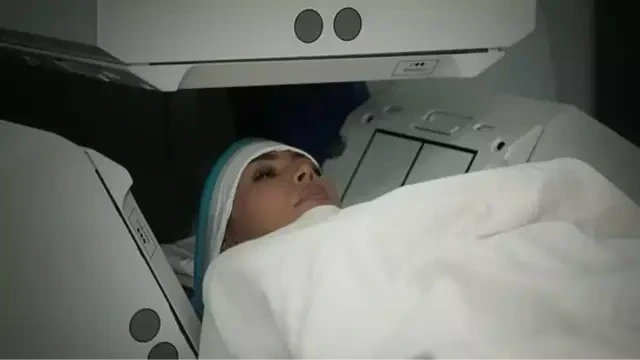
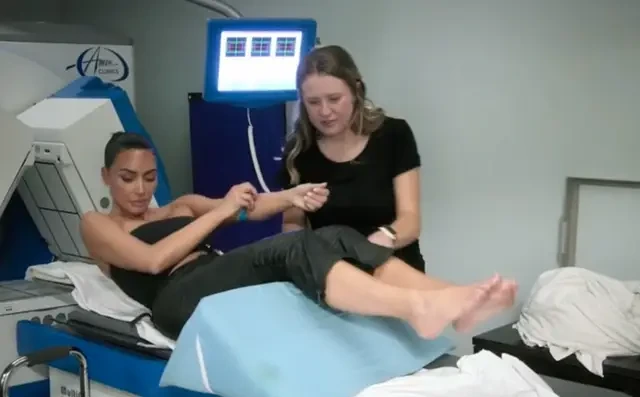
Kim Kardashian Shares Update After Brain Aneurysm Scare

A routine scan isn’t supposed to change your week. But for Kim Kardashian, it did.

The reality star and business founder has shared a new update after revealing doctors discovered a small brain aneurysm — a diagnosis she first discussed on the latest season of The Kardashians.

Her message was simple, and it landed for a reason: you don’t always feel sick when something serious is happening.

What Kim Kardashian said about her diagnosis

Kardashian, 45, opened up about the moment she learned something was off during a conversation with her sister, Kourtney Kardashian, on The Kardashians.

In the episode, she said doctors found what she described as a “little” aneurysm in her brain after a recent hospital visit. She later appeared on Good Morning America and told viewers that she went in for a Prenuvo scan first, before being referred for additional brain scans at Cedars-Sinai.

She also reassured fans that “everything works out,” while encouraging people to stay on top of health checkups.

Most brain aneurysms are not serious.
Most brain aneurysms are not serious (Hulu)

What a brain aneurysm is — and why it can be serious

A brain aneurysm is a bulge or ballooning in a blood vessel in the brain. Medical experts explain that aneurysms may form when pressure pushes against a weak area of a vessel wall.

Many aneurysms are small and never cause symptoms. But they can become dangerous if they leak or rupture, which may lead to a life-threatening medical emergency.

That’s why the phrase “small aneurysm” can feel confusing. Size matters, but it’s not the only factor doctors consider. Location, shape, and changes over time can also influence risk — and why follow-up imaging is often part of the process.

How the discovery happened

In Kardashian’s case, the discovery came through a preventive scan, not an obvious symptom.

She told Good Morning America that the Prenuvo scan led to further testing. The show also featured her undergoing additional imaging, including MRI-style scans, as doctors worked to understand what they were seeing.

She suggested doctors believed stress may have played a role — a comment that reflects how stress is often discussed in health conversations, even when the medical picture is more complex. Either way, the takeaway is clear: unexpected findings can show up even when someone feels “fine.”

Kim Kardashian appeared on Good Morning America.
Kim Kardashian appeared on Good Morning America (ABC)

What viewers will (and won’t) know from her update

Kardashian has not publicly shared specific details about treatment, if any, or what doctors advised next.

And that’s worth noting, because brain aneurysms can vary widely. Some are monitored over time, while others may require more urgent intervention depending on clinical factors.

For the public, the update offers a relatable moment without turning into a medical roadmap. It’s a reminder that celebrity health stories can raise awareness, but they can’t replace individual medical guidance.

Why her message resonated with so many people

There’s something unsettling about learning a serious condition was found “by accident.”

That’s why Kardashian’s comment about checking “everything” struck a nerve. Preventive care can feel boring — until it isn’t. And even a brief, calm update can push people to pay attention to symptoms they’ve ignored or to schedule the appointment they keep delaying.

Still, health screening decisions are personal and depend on risk factors, access, and medical history — so the best next step is always a conversation with a qualified professional.

The reality star provided an update on her health.
The reality star provided an update on her health (Aeon/GC Images)

The bottom line

Kim Kardashian’s update didn’t come with dramatic promises. It came with reassurance, and a nudge: don’t treat your health like an afterthought.

Because sometimes the biggest warning sign is the one you didn’t expect to find.

Featured Image Credit: Hulu

Topics: Film and TVHealthKardashiansKim KardashianCelebrity

Terrifying Smoking Simulation Shows What Happens to Your Body

Most people know smoking is bad for their health. What’s harder to grasp is how quickly it begins to damage the body.

A viral simulation is changing that. By visually breaking down what happens after each inhale, it offers a stark look at how cigarettes affect the lungs, heart, and brain—often within minutes.

That matters because smoking remains one of the most common and preventable causes of serious illness worldwide.

Smoking Remains a Major Public Health Threat

Health authorities estimate that tens of millions of adults continue to use tobacco products each year. According to the CDC, smoking is still the leading cause of preventable disease and death in the United States.

Research also suggests that even light or occasional smoking can reduce lifespan. Studies indicate that a single cigarette may shorten life expectancy by around 20 minutes, adding up quickly over time.

The simulation brings these statistics to life by showing what’s happening inside the body as the damage accumulates.

What You Inhale With Every Cigarette

The video explains that cigarette smoke isn’t just smoke. It contains more than 7,000 chemicals, many of which are toxic.

When inhaled, these substances move rapidly from the mouth into the lungs and bloodstream. From there, they spread throughout the body, affecting multiple organs almost immediately.

This is where the visual model becomes especially confronting.

Millions of Americans are frequent smokers.
Millions of Americans are frequent smokers (Getty Stock Image)

What Smoking Does to the Lungs

The lungs are the first organs to take the hit.

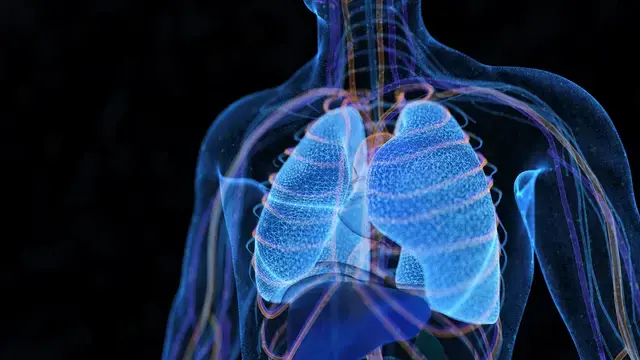
The simulation shows smoke coating the airways, irritating delicate tissue and leaving behind sticky tar. Over time, this buildup can reduce the lungs’ ability to absorb oxygen efficiently.

As the lungs struggle to function normally, breathing becomes more difficult. Health experts say this ongoing irritation may contribute to chronic cough, reduced lung capacity, and long-term respiratory disease.

How Smoking Affects the Heart

Once nicotine enters the bloodstream, the heart responds quickly.

The simulation shows heart rate increasing within seconds. Blood vessels tighten, which raises blood pressure and forces the heart to work harder than it should.

Over time, this added strain may increase the risk of heart disease and stroke. Medical organizations consistently warn that smoking damages blood vessels and reduces overall cardiovascular health.

What Happens in the Brain

Nicotine also travels rapidly to the brain.

The video explains that it triggers a release of dopamine, a chemical linked to pleasure and reward. This can create a temporary sense of calm or focus.

But the effect fades quickly. As dopamine levels drop, cravings, anxiety, and fatigue may follow, reinforcing the cycle of dependence that makes quitting so difficult.

The Hidden Impact of Secondhand Smoke

The simulation doesn’t just focus on smokers.

It also highlights how secondhand smoke affects people nearby. The same chemicals that harm the smoker’s lungs and heart can be inhaled by others, including children and vulnerable adults.

Health authorities warn that exposure to secondhand smoke may increase the risk of respiratory problems and heart disease, even in non-smokers.

Why Visual Simulations Are So Powerful

What sets this simulation apart is how clearly it connects cause and effect.

Rather than relying on statistics alone, it shows how damage unfolds step by step. Experts say visual tools like this can make health risks feel more real, especially for people who underestimate the impact of occasional smoking.

Researchers have also found that quitting smoking can begin to reverse some of the damage over time, with benefits starting sooner than many expect.

A Reminder, Not a Lecture

The video doesn’t tell people what to do. It simply shows what happens.

For some viewers, that may be enough to rethink their habits. For others, it may offer a clearer understanding of why health professionals continue to stress the risks associated with tobacco use.

What’s often overlooked is that every cigarette has an effect. Seeing it unfold in real time can be hard to ignore.

Featured Image Credit: Getty Stock Image

Topics: HealthNewsYouTube