Woman Who ‘Died for 32 Seconds’ Says She Saw the Future and Has a Warning

What happens after we die is one of humanity’s oldest questions. For some, the mystery is philosophical. For others, it becomes deeply personal.

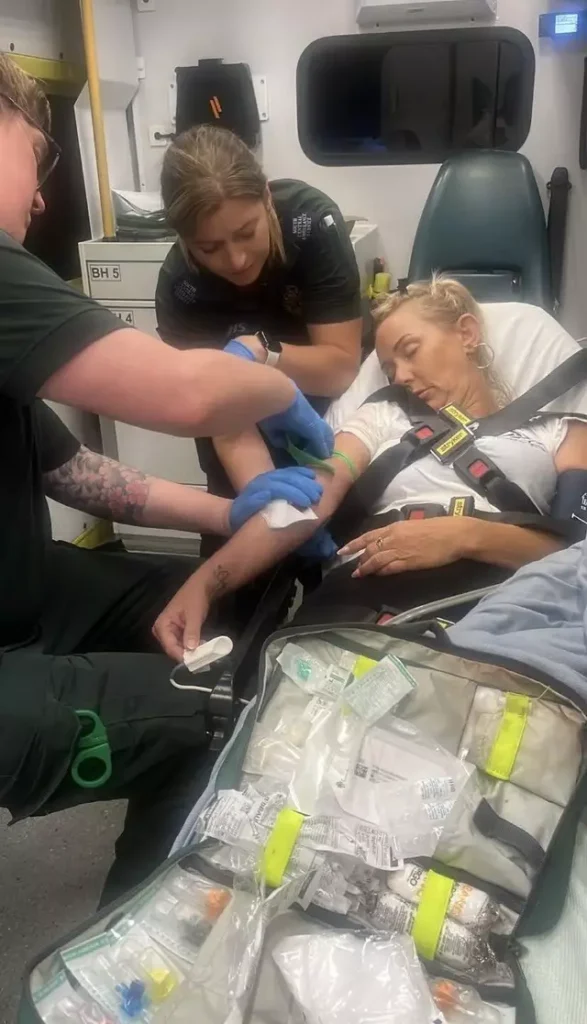
Angela Harris believes she briefly crossed that boundary. After being clinically dead for 32 seconds, she says she returned with vivid memories and a warning about the future of humanity.

Her account has sparked fascination, skepticism, and debate in equal measure.

The moment everything changed

Harris’ near-death experience happened in 2015 during a medical test designed to investigate sudden fainting episodes. While undergoing a tilt-table test, she suffered seizures and briefly lost all signs of life.

Medical staff were able to revive her quickly. But Harris says what she experienced in those seconds felt far longer and far more detailed than time would suggest.

She has since described the event as life-altering, not just physically, but spiritually.

A profound personal awakening

Following her recovery, Harris says she struggled to return to her old sense of normality. The experience left her questioning reality, identity, and purpose.

She later described the episode as a “spiritual awakening,” saying it reshaped how she understood human existence. Today, she works as a spiritual coach, a role she attributes directly to what she experienced during that moment.

According to Harris, the near-death experience revealed what she believes is a deeper truth about consciousness beyond the physical world.

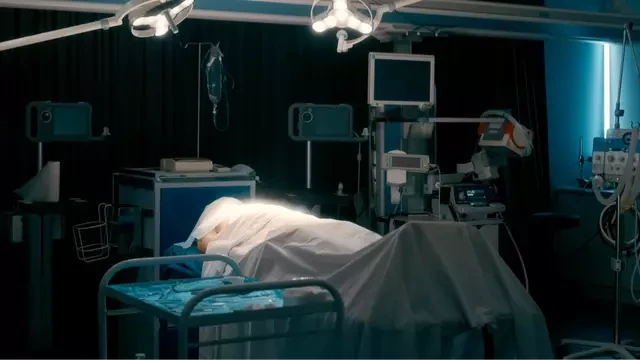
Angela Harris had a near-death experience.
Angela Harris had a near-death experience (Getty Stock Photo)
Familiar sights and unexpected visions

Like many people who report near-death experiences, Harris says she encountered deceased relatives. That part, she admits, felt comforting and familiar.

What came next, however, surprised her. Harris claims she was shown scenes that went far beyond personal memories or emotional reassurance.

She says she was transported to other worlds and witnessed life on different planets, where she appeared to exist in another form.

Seeing life beyond Earth

Harris has described viewing herself living as what many would label an alien species. To her, it did not feel foreign or frightening.

Instead, she explains it as another version of existence, another soul living a parallel life in a different place. She has said the experience felt ordinary rather than fantastical.

This aspect of her story has drawn particular attention, especially among those interested in consciousness and the possibility of life beyond Earth.

A troubling glimpse of the future

Alongside these visions, Harris says she was shown a possible future for humanity. This is where her account takes a darker turn.

She claims she saw a world shaped by large-scale conflict, where wars drastically reduced the global population. In this future, societies had retreated from large, complex systems into smaller, more localized communities.

Harris describes it not as total collapse, but as a forced reset brought on by prolonged human conflict.

The warning she took from it

Harris says the vision was not meant to inspire fear, but awareness. In her view, the future she saw was shaped by human choices rather than fate.

She believes the message was about responsibility, cooperation, and how easily progress can be undone when division escalates unchecked. The experience, she says, left her with a sense of urgency rather than doom.

For Harris, the warning was less about prediction and more about possibility.

A warning has been issued for humanity.
A warning has been issued for humanity (Getty Stock Photo)
Why stories like this resonate

Near-death experiences remain difficult to explain. Scientists often point to neurological responses under extreme stress, while others see them as deeply personal or spiritual events.

What’s often overlooked is why these stories resonate so strongly. They touch on shared fears about death, meaning, and the future of humanity itself.

Harris’ account sits at the intersection of belief and uncertainty, where personal experience meets universal questions.

Belief, skepticism, and interpretation

Harris does not claim her experience proves anything definitively. She presents it as her truth, shaped by what she felt and saw in those 32 seconds.

Some will view her story as symbolic. Others will see it as literal. Many will remain unconvinced.

What is clear is that her experience continues to shape her life and worldview, and for those who hear it, it raises uncomfortable but enduring questions about where humanity may be headed—and how much control we truly have over that path.

Featured Image Credit: Getty Images/Sean Anthony Eddy
Topics: HealthLife

Woman Went Blind After a Mistake She Made While Using Contact Lenses

For years, contact lenses were part of Katie Carrington’s everyday routine. They were convenient, familiar, and easy to forget about once they were in.

That routine nearly cost her eyesight. A mistake she now openly calls “stupid” left her in unbearable pain and temporarily blind in one eye, with doctors unsure if her vision would ever return.

Her story is now prompting renewed warnings about how easily contact lenses can become dangerous when they are misused.

Switching from glasses to lenses

Carrington, a nurse from Essex in the UK, was first prescribed glasses as a teenager. Like many young people, she disliked wearing them and switched to daily disposable contact lenses at 17.

She says lenses felt practical, especially when she was busy or active. Not worrying about broken or misplaced glasses made everyday life simpler.

At first, she followed the guidance she was given. Over time, that changed.

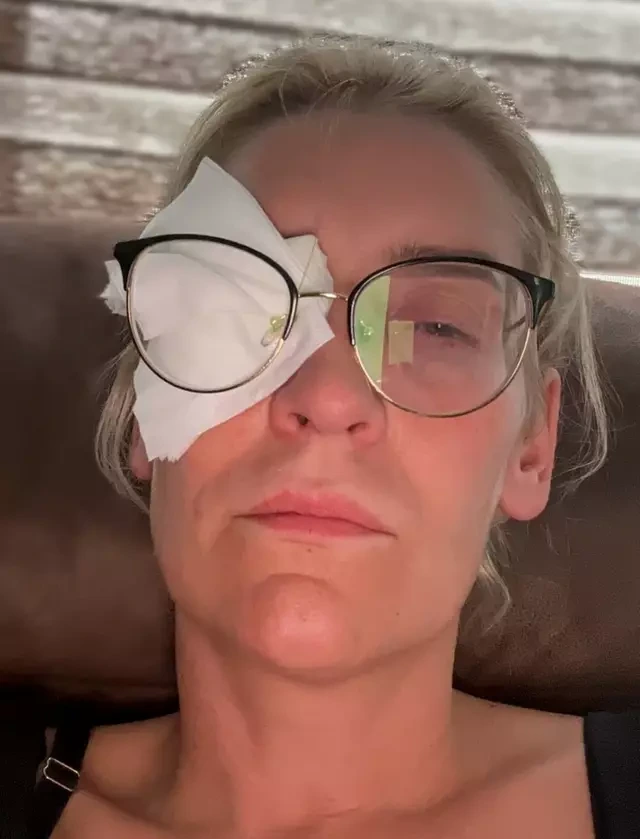
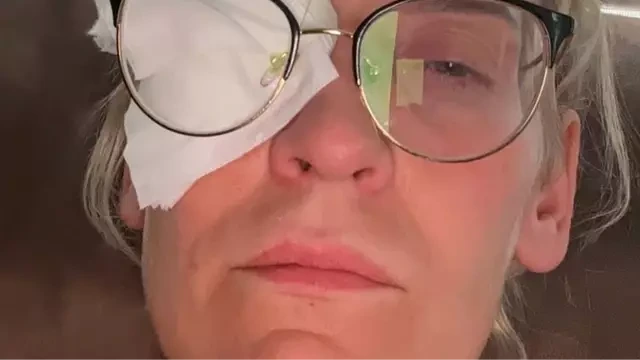
Katie lost the vision in her right eye.
Katie lost the vision in her right eye (SWNS)
A habit that slowly escalated

Carrington admits she began leaving her lenses in overnight after parties or late shifts. Initially, it felt harmless.

Gradually, one night became several. Eventually, she was wearing daily disposable lenses for days or even weeks at a time.

She has since reflected that convenience became her justification. She hated waking up unable to see clearly and convinced herself she could manage the discomfort.

Ignoring warning signs

Dryness and irritation became normal. Rather than seeing them as warning signs, she waited until her eyes felt extremely uncomfortable before replacing the lenses.

Looking back, she says she didn’t fully understand the risks of extended wear. Because nothing serious happened at first, she assumed it never would.

That false sense of safety lasted for years.

When the pain began

In August 2025, everything changed. Carrington woke up one morning with intense pain and streaming eyes.

By the following day, the pain had become unbearable. She could no longer see out of her right eye.

She later described the pain as worse than childbirth, a comparison that underscored just how severe the situation had become.

Fear of permanent vision loss

Doctors were initially unsure whether her sight would return. For Carrington, the uncertainty was devastating.

She worried about losing her independence and about not being able to properly care for her children. Everyday tasks suddenly felt overwhelming.

Even simple actions, like preparing food or making a bottle, became difficult when her depth perception was affected.

Fortunately, Katie's vision returned and she is now a lot more careful.
Fortunately, Katie’s vision returned and she is now a lot more careful (SWNS)
A slow and fortunate recovery

Over time, Carrington’s vision did return. She describes the recovery as a relief she will never forget.

However, the experience changed her relationship with contact lenses permanently. She has since stopped wearing them altogether.

While she takes responsibility for her actions, she says she underestimated how serious the consequences could be.

Why misuse can be dangerous

Eye health specialists warn that contact lenses restrict oxygen to the eye. Wearing them for longer than recommended increases the risk of infection, inflammation, and corneal damage.

Daily disposable lenses are designed for single use. Reusing them, especially overnight, can allow bacteria to build up and cause serious complications.

According to the NHS, improper contact lens use is a common cause of preventable eye injuries.

A warning she hopes others hear

Carrington now urges contact lens wearers to read guidance carefully and to take irritation seriously.

She says she believed serious harm would never happen to her because she had “got away with it” for so long. That belief, she admits, was her biggest mistake.

Her message is simple: contact lenses are medical devices, not cosmetic accessories, and they deserve the same care and caution as any other treatment.


Health Disclaimer
This article is for informational purposes only and is not intended as medical advice. Always consult a qualified healthcare professional before making any changes to your health, diet, or treatment.

Featured Image Credit: SWNS

Topics: NewsHealthMental HealthUK News

Woman Who Nearly Died Taking Fake Ozempic Shares the Warning Sign She Noticed

As demand for weight-loss injections continues to surge, so too does the market for convincing counterfeits. For one woman, what seemed like a harmless shortcut turned into a medical emergency that nearly cost her life.

Michelle Sword believed she was taking Ozempic, a medication she had used before. Instead, she unknowingly injected a counterfeit drug that left her unconscious and fighting for survival.

Her experience is now being shared as a cautionary tale about the growing risks linked to imitation weight-loss treatments sold online.

Turning to medication after a difficult period

Sword, a 47-year-old mother of two, first used Ozempic several years ago after her long-term marriage ended. Like many people, she struggled with confidence and weight changes during an emotionally difficult time.

The medication, which contains semaglutide, helped her lose weight and regain a sense of control. She described the results as transformative and said she was able to reach her target weight alongside lifestyle changes.

For a period, she maintained those results. But as time passed, old habits crept back in, and the weight slowly returned.

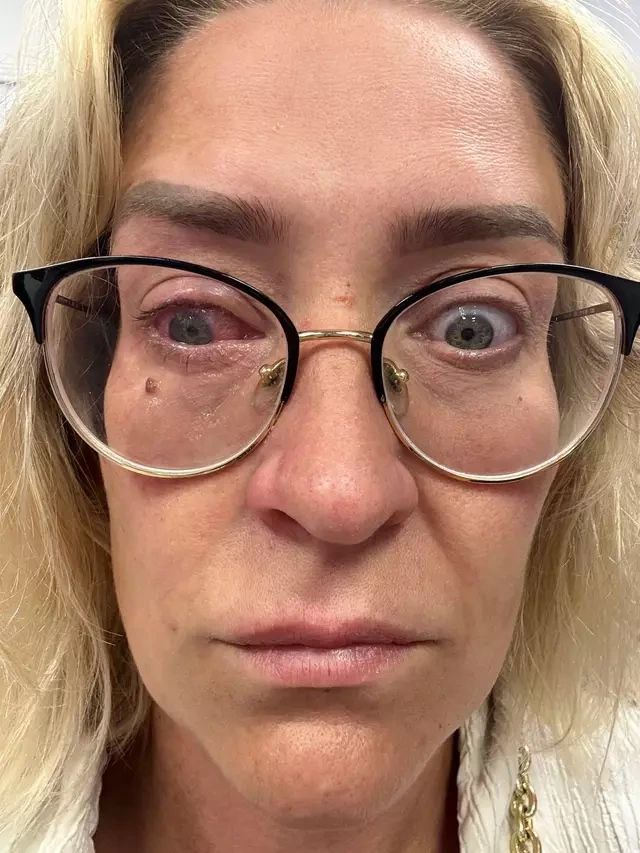
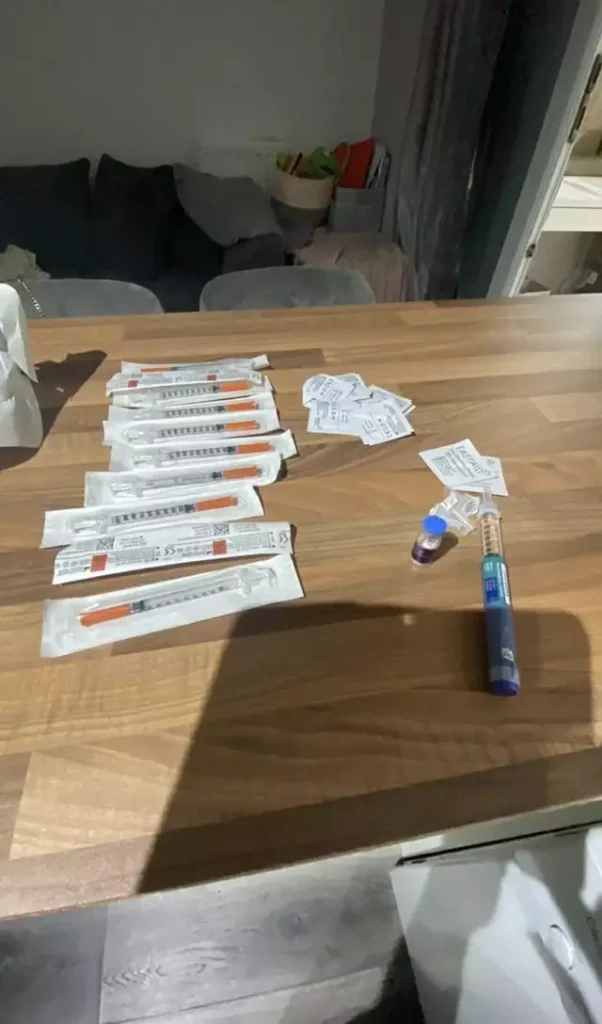
The doses appeared identical to Ozempic jabs, but there was one subtle sign that they were not legit
The doses appeared identical to Ozempic jabs, but there was one subtle sign that they were not legit (SWNS/Michelle Sword)

Rising demand and limited access

By the summer of 2023, Sword decided to look again at weight-loss injections. This time, however, access was more difficult.

Soaring demand had pushed up prices and made legitimate prescriptions harder to secure. That environment has created fertile ground for sellers offering cheaper alternatives through social media and online platforms.

When Sword saw an advert for Ozempic at a fraction of the usual cost, she admits she acted quickly.

The counterfeit that looked almost real

The injections arrived within days. At first glance, they appeared genuine. The packaging, labeling, and pen design closely matched what she had used before.

There was, however, one detail that stood out once she began using the injection. She noticed the pen continued to click in an unusual way, making it difficult to judge the dose.

She also observed that the liquid inside the vial did not seem to reduce as expected. At the time, she dismissed the concern, assuming it was a minor difference.

Sudden collapse and a race to save her life

Within minutes of injecting the drug, Sword began to feel unwell. Shortly after, she collapsed and lost consciousness.

Her teenage daughter returned home by chance and found her unresponsive. Emergency services were called, and paramedics worked for over an hour before rushing her to hospital.

Doctors later discovered her blood sugar levels were dangerously low. Medical staff concluded that the injection was not semaglutide at all, but insulin, which had triggered a severe hypoglycaemic episode and diabetic coma.

A narrow escape with lasting consequences

Sword was told that without rapid intervention, she may not have survived. The incident left her shaken and angry that counterfeit medications could be sold so easily.

She has since spoken out to warn others, describing the experience as a stark reminder that prescription drugs obtained outside regulated channels can be life-threatening.

Her message is not about weight loss itself, but about the risks of bypassing proper medical oversight.

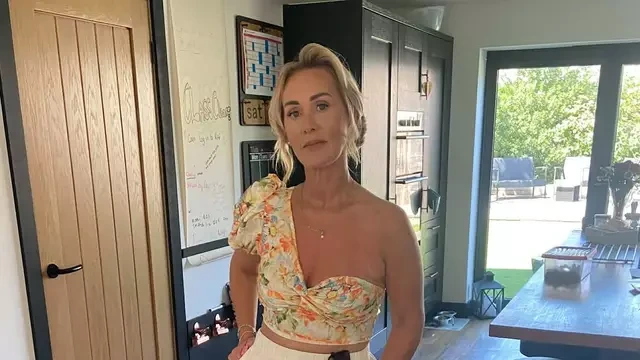
Despite the best efforts of ambulance paramedics, Michelle Sword had to be rushed to hospital
Despite the best efforts of ambulance paramedics, Michelle Sword had to be rushed to hospital (SWNS/Michelle Sword)

What experts and manufacturers say

Health authorities have repeatedly warned that prescription-only medications should never be purchased from unverified sources. Experts note that counterfeit drugs may contain incorrect doses, the wrong active ingredient, or no effective medication at all.

The manufacturer of Ozempic has stated that patient safety is its top priority and that it works closely with regulators to identify and remove fake products from the market.

They stress that genuine treatments require a prescription and medical consultation, both to ensure safety and to confirm suitability.

A warning rooted in experience

Sword says she hopes her story will make others pause before trusting online deals that seem too good to be true.

The incident highlights a broader issue facing modern healthcare: when demand outpaces access, risks can shift from the condition being treated to the products themselves.

For Sword, the lesson came at a devastating cost. She now urges others to put safety before speed, and to remember that no cosmetic goal is worth risking a life.


Health Disclaimer
This article is for informational purposes only and is not intended as medical advice. Always consult a qualified healthcare professional before making any changes to your health, diet, or treatment.

Featured Image Credit: SWNS/Michelle Sword

Topics: DrugsOzempicWeight lossHealth

Doctor Reveals Three Actions That Could Make a Difference If You’re Choking Alone

Doctor Reveals Three Actions That Could Make a Difference If You’re Choking Alone

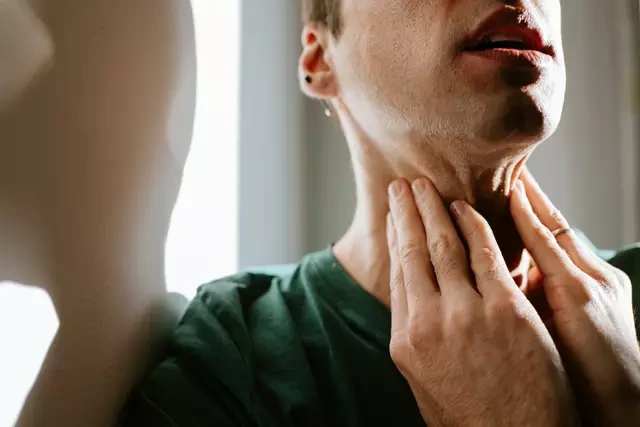
Choking is one of those emergencies people rarely plan for. It often happens suddenly, usually while eating, and most assume someone else will be nearby if things go wrong.

But that isn’t always the case. Doctors say that when choking happens in isolation, awareness and quick thinking can become critical in the moments that follow.

That reality has sparked widespread discussion online after a doctor explained three actions that may help in such a situation, particularly when immediate help is not available.

Why choking remains a serious risk

According to data cited by safety organisations, thousands of people die each year from choking-related incidents. Older adults are considered at higher risk, but experts note that choking can affect people of any age.

Food is the most common cause, especially when eating quickly, talking while chewing, or consuming foods that are difficult to swallow. When a blockage occurs in the airway, oxygen levels can drop rapidly.

That matters because loss of oxygen can lead to unconsciousness within minutes, leaving very little margin for error.

He said to employ 3 tips.
He said to employ 3 tips (Getty Stock Images)

The challenge of being alone during an emergency

In many cases, choking is resolved because someone nearby recognises the signs and intervenes. When no one else is present, the situation becomes far more complex.

Doctors say panic is a natural response, but it can also make it harder to act. This is why emergency physicians often emphasise preparation and general awareness, rather than relying on improvisation under stress.

One doctor who recently addressed the issue online focused on what people might consider if they find themselves alone and unable to breathe properly.

Alerting emergency services early

The first point highlighted by the doctor involved contacting emergency services as quickly as possible, if that is feasible. Even a brief call can start the process of getting help on the way.

Medical professionals note that modern devices, such as smartphones and smartwatches, may make this easier in some circumstances. Starting that chain of response early can buy valuable time, even if further action is still required.

Experts stress that this is about awareness, not guarantees. Outcomes can vary widely depending on the situation.

Using body movement to address an airway blockage

The doctor also discussed methods commonly referenced in first-aid education that involve generating force from the body itself. These approaches are designed to create pressure that may help dislodge an obstruction.

Clinicians explain that such techniques are widely taught in emergency response training, though their effectiveness can depend on factors like strength, positioning, and the nature of the blockage.

What’s often overlooked is that attempting these actions alone can be physically demanding, especially when breathing is already compromised.

You might just save your own life.
You might just save your own life (Getty Stock Images)

Making use of surrounding objects

Another point raised involved using everyday surroundings to assist in creating the necessary motion to clear an airway. Chairs or other stable objects are sometimes mentioned in first-aid contexts for this reason.

Health professionals caution that while these ideas are discussed publicly, they are not substitutes for proper training. They are mentioned to raise awareness of what people might encounter in first-aid guidance, not to replace professional instruction.

The emphasis remains on prevention, preparedness, and knowing when to seek immediate medical attention.

Why awareness matters more than confidence

Doctors are careful to stress that choking emergencies are unpredictable. No single approach works in every case, and attempting to act without understanding the risks can be dangerous.

That is why many clinicians encourage people to take accredited first-aid courses and to be mindful of choking hazards, particularly for children and older adults.

For those who worry about being alone during an emergency, understanding the risks and recognising early warning signs may be just as important as knowing what actions are commonly discussed.

A broader conversation about safety

The discussion has resonated with many people who say choking alone is a common fear. While the scenario is unsettling, doctors say calm awareness is more useful than panic-driven thinking.

Ultimately, experts agree on one key point: choking is a medical emergency. Any suspected airway blockage that does not resolve quickly requires urgent professional care.

Raising awareness, they say, is not about encouraging self-reliance, but about helping people recognise danger early and respond responsibly.


Health Disclaimer
This article is for informational purposes only and is not intended as medical advice. Always consult a qualified healthcare professional before making any changes to your health, diet, or treatment.

Featured Image Credit: Getty Stock Images

Topics: Health,

Doctors Issue Warning Over Rare Vision Side Effect Linked to Weight-Loss Drugs

Weight-loss medications have become a defining health trend of recent years. For many patients, they have offered new hope in managing diabetes and reducing weight when other approaches failed.

But doctors are now urging caution after highlighting a rare side effect that could have lasting consequences for a small number of users.

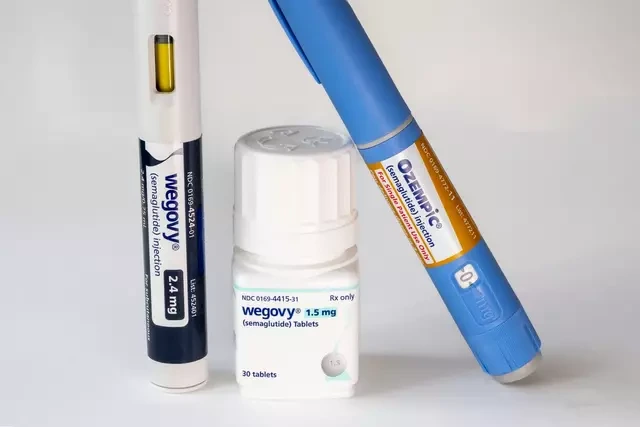
The warning focuses on medications containing semaglutide, a drug widely prescribed for type 2 diabetes and, in some cases, weight management. While the overall risk remains low, health authorities say awareness is essential.

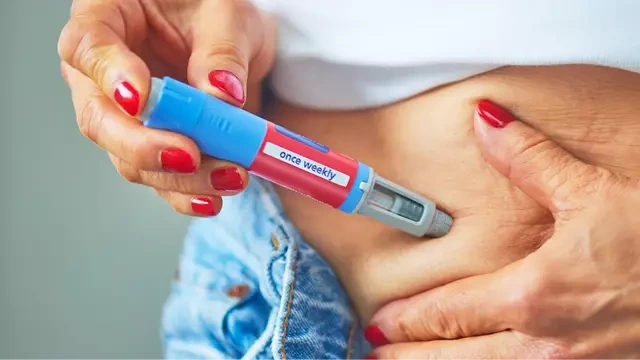
Semaglutides have exploded in popularity.
Semaglutides have exploded in popularity (Michael Siluk/UCG/Universal Images Group via Getty Images)

Why these medications became so popular

Semaglutide-based treatments gained attention for their ability to regulate blood sugar while also reducing appetite. That combination has made them appealing to patients struggling with weight-related health issues.

Although some versions are approved specifically for weight loss, others are officially intended for diabetes treatment. Their off-label use, however, has surged as patients report significant reductions in appetite and body weight.

Experts stress that these medications can be effective when used appropriately and under medical supervision. Still, like all prescription drugs, they are not without potential side effects.

The vision issue doctors are monitoring

The latest concern involves a condition known as non-arteritic anterior ischemic optic neuropathy, or NAION. It is a disorder that affects blood flow to the optic nerve and can result in sudden vision changes.

Health authorities describe the symptoms as sudden, painless vision loss, often affecting one eye. Some people experience blurred or cloudy vision that can worsen quickly.

A recent study examining patients in several US states found that those affected tended to be older adults, with women representing a slightly higher proportion of cases. In one reported instance, a patient experienced vision problems shortly after beginning treatment.

How common is the risk?

Doctors emphasize that this side effect is rare. Current estimates suggest that roughly one in 10,000 patients taking semaglutide may experience this type of vision complication.

That low figure is important context, according to clinicians. Millions of people worldwide use these medications without developing serious eye problems.

The drugs do have some side effects.
The drugs do have some side effects (Michael Siluk/UCG/Universal Images Group via Getty Images)

However, specialists note that even rare risks deserve attention when the potential impact involves permanent vision changes.

What health authorities are advising

Regulatory agencies in the UK and elsewhere have advised patients to remain alert to any sudden changes in eyesight while taking semaglutide-based drugs.

They recommend seeking urgent medical care if vision becomes impaired rapidly or if any unusual visual symptoms appear. Early assessment can help determine whether the symptoms are related to the medication or another underlying condition.

Healthcare professionals are also being encouraged to discuss this potential risk with patients, particularly those who may already have risk factors for eye disease.

Balancing benefits and risks

Drug manufacturers maintain that the overall benefit-risk profile of semaglutide remains favorable. They point to extensive safety monitoring and ongoing collaboration with regulators worldwide.

Medical experts generally agree that the medications continue to play an important role in diabetes care and, for some patients, weight management. The key issue is informed use rather than alarm.

What matters most, doctors say, is that patients do not stop or start medications without professional guidance. Sudden changes in treatment can carry their own risks.

What patients should keep in mind

For most people, semaglutide treatments are well tolerated and effective. The newly highlighted side effect does not change that reality for the vast majority of users.

Still, awareness can make a difference. Recognizing early warning signs and maintaining regular medical check-ups allows potential problems to be addressed promptly.

As with any medication, informed decisions, open conversations with healthcare providers, and careful monitoring remain the foundation of safe and effective treatment.

Health Disclaimer
This article is for informational purposes only and is not intended as medical advice. Always consult a qualified healthcare professional before making any changes to your health, diet, or treatment.

Featured Image Credit: Peter Dazeley/Getty

Topics: NewsUS NewsHealthUK NewsOzempicDrugs

Woman, 23, Says Symptoms Were Dismissed Before Severe Full-Body Rash Appeared

For years, Lily Thompstone lived with constant discomfort that she struggled to explain. Doctors offered reassurance, but she says her concerns were repeatedly brushed aside.

At 23, her body eventually responded in a way she could no longer ignore. What began as gut problems escalated into a severe rash that spread across most of her body, forcing her to keep searching for answers.

Her experience has since resonated with others who say they, too, felt unheard before their symptoms worsened.

Living with ongoing discomfort

Thompstone, from Greater Manchester in England, says she had always dealt with digestive issues. Eating often made her feel unwell, and discomfort became part of her daily routine.

She was initially told she had irritable bowel syndrome. While IBS can be painful and disruptive, she felt the explanation didn’t fully account for how unwell she felt.

Despite repeated appointments, she says her symptoms were treated as manageable rather than concerning.

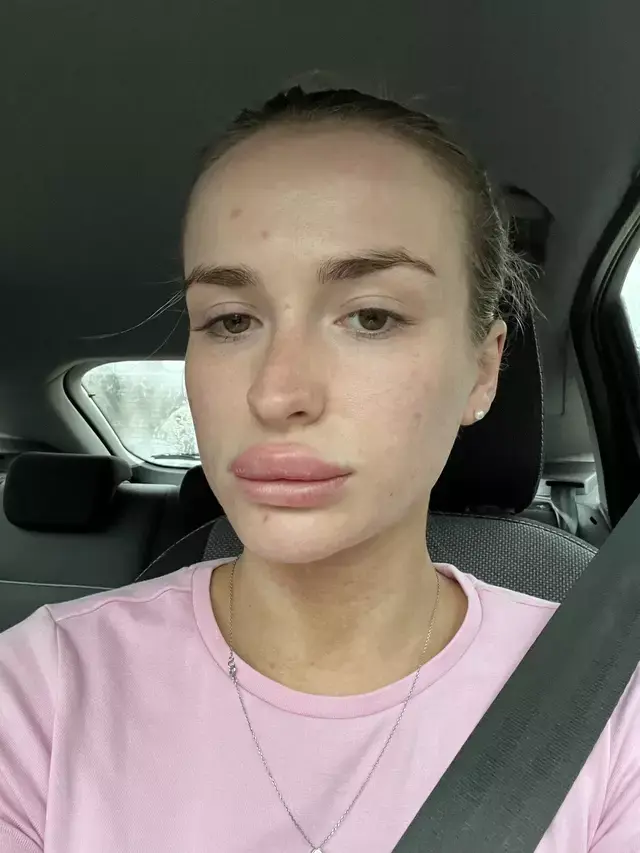
Lily Thompstone woke up with swollen lips.
Lily Thompstone woke up with swollen lips (Kennedy News and Media)
A sudden and frightening change

In May 2023, her health took a dramatic turn. She woke up one morning with severe swelling in her lips, which led to an urgent hospital visit.

Doctors initially suspected an allergic reaction and treated her with steroids. The swelling reduced, but Thompstone says the episode reinforced her belief that something deeper was wrong.

She recalls feeling alarmed, yet still unsure how to convince doctors that her symptoms were connected.

New symptoms, familiar frustration

About a month later, a rash appeared on her chest. Concerned, she visited multiple doctors hoping for clarity.

She was told it could be related to light sensitivity or psoriasis. While those explanations offered some direction, she says they still didn’t address the bigger picture.

Over time, the rash worsened rather than improved.

When the rash spread

The condition progressed quickly. Thompstone developed a scaly rash that eventually covered an estimated 80 to 90 percent of her body.

Showering became painful. Even small movements caused discomfort as her skin reacted.

She describes the experience as overwhelming, both physically and emotionally, and says it affected her confidence and willingness to be seen in public.

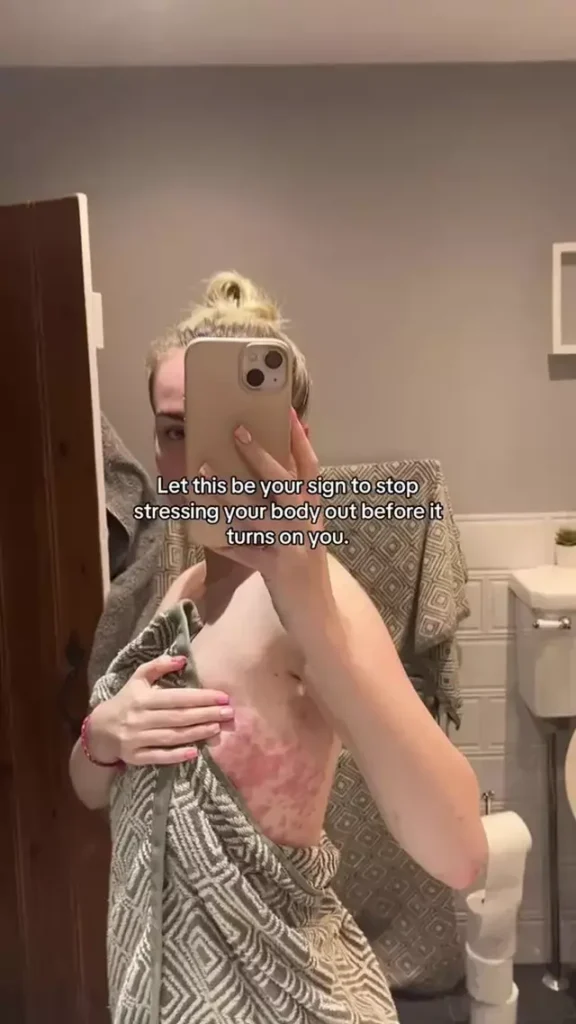
She a developed a 'scaly' rash that spread all over her body.
She a developed a ‘scaly’ rash that spread all over her body (Kennedy News and Media)
Coping while searching for answers

In an effort to calm her symptoms, she tried UVB light therapy and salt baths. These measures helped slightly, but did not resolve the underlying issue.

She also began sharing photos of her condition online. Alongside the images, she posted a message urging others to pay attention to prolonged stress and unresolved symptoms.

For her, the rash felt like a visible signal that her body was under strain.

The content creator shared images of her rash online with a warning to others.
The content creator shared images of her rash online with a warning to others (Kennedy News and Media)
A diagnosis after going private

After nearly a year without clear answers, Thompstone decided to seek private medical care. It was there that she was diagnosed with endometriosis.

Endometriosis is a condition where tissue similar to the lining of the womb grows elsewhere in the body. According to the NHS, it can cause chronic pain and digestive symptoms, and it is often difficult to diagnose.

Specialists reportedly found extensive signs of the condition, which Thompstone says explained years of pain that had previously been attributed to IBS.

Reflecting on the impact

Since her diagnosis, she has undergone two surgeries, the most recent in late 2025. While recovery has been challenging, she says finally having answers has been validating.

Looking back, Thompstone believes prolonged physical stress and the absence of a diagnosis contributed to her skin condition. She describes her body as being under sustained pressure, both physically and emotionally.

Now, she is encouraging others, particularly women, to advocate for themselves if symptoms persist.

She now believes years of 'chronic physical stress' from a lack of diagnosis was the cause of her rash.
She now believes years of ‘chronic physical stress’ from a lack of diagnosis was the cause of her rash (Kennedy News and Media)
Why her story is resonating

Delayed diagnosis is a common issue in chronic conditions, especially those with overlapping symptoms. Thompstone’s experience highlights how physical illness, stress, and mental health can intersect.

Her message is not about assigning blame, but about persistence. She says feeling dismissed had a lasting impact, but continuing to seek help ultimately changed the course of her health.

For many readers, her story serves as a reminder that unresolved symptoms deserve attention, even when initial explanations seem reassuring.

Health Disclaimer
This article is for informational purposes only and is not intended as medical advice. Always consult a qualified healthcare professional before making any changes to your health, diet, or treatment.

Featured Image Credit: Kennedy News and Media

Concerns Raised After Elderly Woman Allegedly Euthanized Against Her Wishes

Assisted dying laws are designed to protect patient choice at the end of life. But a recent case in Canada is prompting renewed scrutiny after questions emerged over whether those safeguards were properly followed.

An elderly woman, referred to in official documents as Mrs B, was euthanized under Canada’s Medical Assistance in Dying program, despite reportedly expressing a desire to withdraw her request.

The case has now been reviewed by Ontario’s Medical Assistance in Dying Death Review Committee, with its findings raising serious concerns about consent, timing, and external pressures.

What MAiD allows in Canada

Medical Assistance in Dying, known as MAiD, is legal in Canada when strict legal and medical criteria are met. Patients must be capable of making the decision independently and must provide informed consent without coercion.

Eligibility also requires a serious and incurable illness, advanced decline, and enduring suffering that cannot be relieved under conditions acceptable to the patient.

These safeguards exist to ensure that the decision is voluntary and carefully considered.

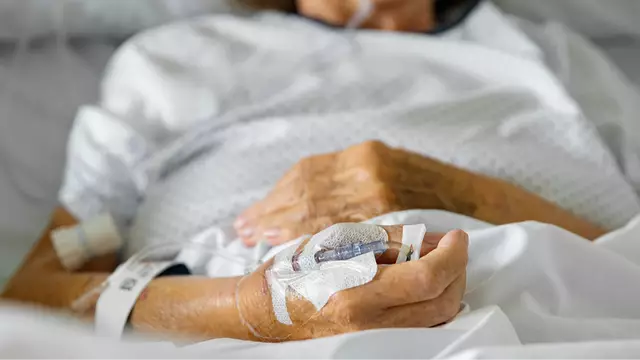
Assisted dying is legal in Canada if certain requirements are met.
Assisted dying is legal in Canada if certain requirements are met (mapo/Getty)
The circumstances behind the request

According to the coroner’s report, Mrs B was in her 80s and experiencing complications following coronary bypass surgery. Her health reportedly declined both physically and functionally.

At one point, she asked her family to explore end-of-life options, including assisted dying. Her spouse then contacted MAiD services, and an initial assessment took place shortly afterward.

However, the review later noted that her position appeared to change.

A reported change of mind

The report states that Mrs B communicated a wish to withdraw her MAiD request, citing personal and religious beliefs. She reportedly expressed a preference for palliative or hospice care instead.

At the same time, her spouse was described as experiencing caregiver burnout. A request for hospice placement was made but was ultimately denied.

That denial would later become a key point of concern for reviewers.

Disagreements among assessors

A second MAiD assessor was consulted after the initial evaluation. That practitioner reportedly objected to proceeding, raising concerns about urgency, inconsistent end-of-life goals, and the potential for undue influence.

The assessor requested to meet Mrs B again the following day. That request was declined, and instead, a third assessor was assigned.

Following that assessment, MAiD was carried out after Mrs B was said to have consented once more.

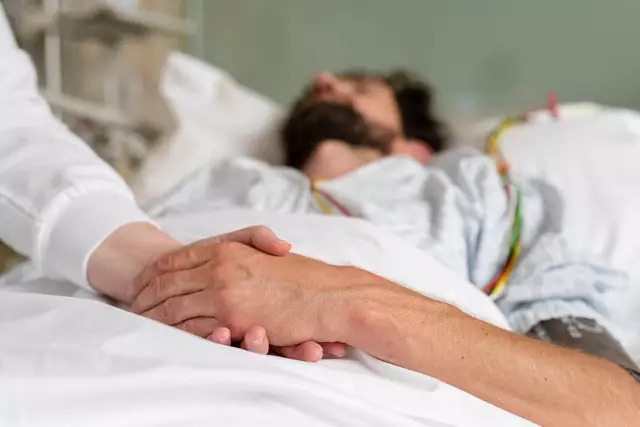
A report claimed that the woman had withdrawn her consent.
A report claimed that the woman had withdrawn her consent (Cavan Images/Raffi Maghdessian/Getty)
Why the case raised red flags

Members of the Death Review Committee later questioned whether the process moved too quickly. The short timeline, combined with changing consent and the denial of hospice care, was seen as troubling.

The report highlighted concerns about caregiver burden and whether it may have influenced decision-making. Reviewers also noted that the spouse played a central role in navigating access to MAiD.

Additionally, assessments were reportedly conducted with the spouse present, raising questions about whether the process was fully patient-directed.

A broader debate around safeguards

Assisted dying remains a deeply divisive issue. Supporters argue it offers dignity and relief from suffering at the end of life. Critics warn that vulnerable patients may feel pressure, especially when care options are limited.

Cases like this have intensified debate over whether existing safeguards are sufficient, particularly when healthcare systems face strain and families are overwhelmed.

Canadian authorities continue to review MAiD practices, with oversight bodies stressing the importance of consistency, documentation, and independent consent.

Why this case matters

The coroner’s findings do not overturn the legality of MAiD, but they do highlight how fragile consent can become near the end of life.

For many observers, the case underscores the need for clear documentation, access to palliative care, and careful separation between patient wishes and caregiver stress.

As assisted dying laws evolve, cases like Mrs B’s are likely to remain central to discussions about how best to protect autonomy while safeguarding the most vulnerable.


Health Disclaimer
This article is for informational purposes only and is not intended as medical advice. Always consult a qualified healthcare professional before making any changes to your health, diet, or treatment.

Featured Image Credit: Getty Stock Image

Topics: CanadaHealthNews