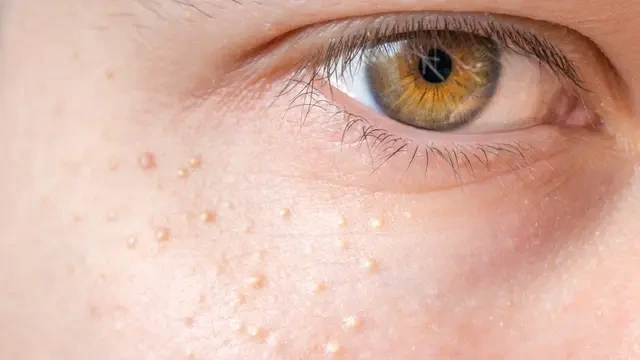
Experts Warn: Don’t Pop These Common White Spots on Your Skin or Genital Area

Tiny white bumps can look harmless. Sometimes they’re barely noticeable until a mirror, bright light, or a close-up photo makes them impossible to ignore.

For many people, the first instinct is simple: squeeze it, pick it, or try to “extract” it like a whitehead.

Here’s the problem. Dermatology experts say some of the most common white spots people panic about are not acne at all — and treating them like acne can leave you with irritation, scarring, or even infection.

Why white bumps aren’t always pimples

A lot of bumps get lumped into the same category because they’re small, pale, and raised.

But skin specialists often point to two different culprits depending on where the bumps show up: milia (usually on the face) and Fordyce spots (often on the lips or genital area).

They can look similar at first glance. The cause and the best next step can be very different.
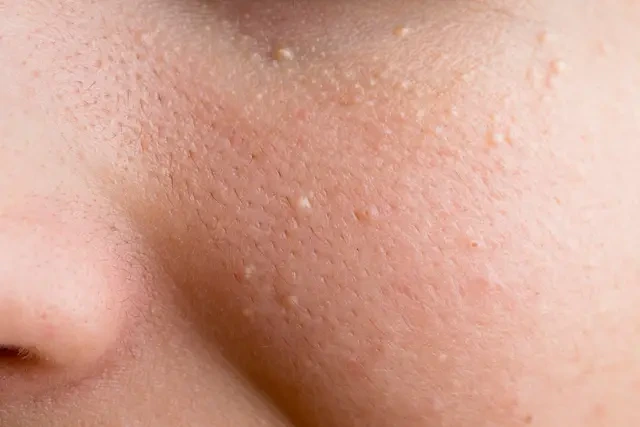
Many people experience white spots on their face and body.
Many people experience white spots on their face and body (Getty Stock Image)

Milia: the “stubborn” white bumps often seen on the face

Milia are tiny cysts that form when keratin (a protein found in skin, hair, and nails) gets trapped under the surface.

They often appear around the eyes, on the cheeks, or near the nose and lips. And unlike acne, they don’t behave like acne.

Dermatology experts describe milia as firm bumps that are difficult to “pop” because they sit under a thin layer of skin. That’s why squeezing usually fails — and why people end up pressing harder, damaging the surrounding area.

What’s often overlooked is this: when you pick at milia, you’re not clearing a clogged pore. You’re tearing skin.
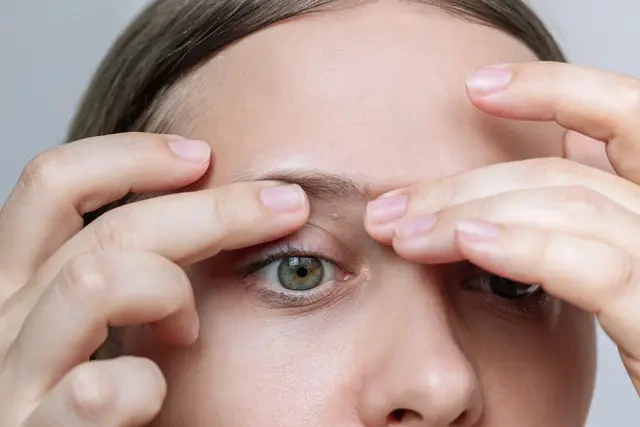
Experts have issued a warning about the spots.
Experts have issued a warning about the spots (Getty Stock Image)

Fordyce spots: common bumps that can appear on “private parts”

If the white or flesh-colored spots show up on the lips or in the genital region, they may be Fordyce spots.

Medical sources like the Cleveland Clinic describe Fordyce spots as visible oil glands. Many people are born with them, and they can become more noticeable during or after puberty.

They are common, they are not the result of poor hygiene, and they are not automatically a sign of a sexually transmitted infection.

Still, their location can make them stressful. That anxiety is exactly why experts emphasize getting a professional opinion if you’re unsure — especially if anything changes quickly or looks inflamed.

The one thing experts agree on: don’t squeeze or pick

This is where the “serious warning” comes in, and it’s not about scare tactics. It’s about simple skin biology.

With milia, squeezing often does nothing because the contents are firm and trapped. Trying to force it can break the skin barrier and raise the risk of irritation and scarring.

With Fordyce spots, picking can create tiny wounds. Health resources like Healthline warn that damaging the skin can increase the risk of infection.

In other words, the bump may be harmless — but your attempt to remove it might not be.
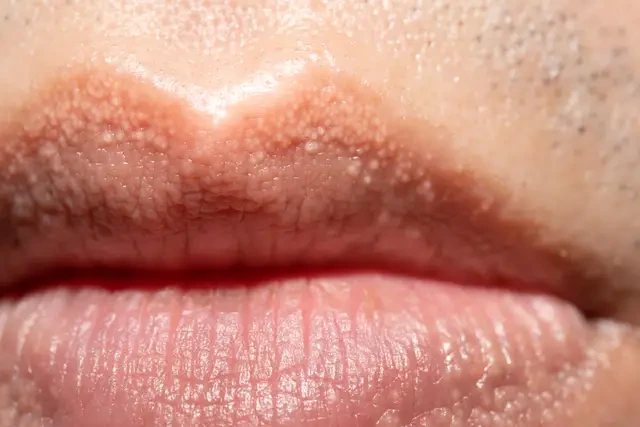
Fordyce spots can appear on the lips.
Fordyce spots can appear on the lips (Getty Stock Image)

When it’s worth getting checked

Most people don’t need emergency care for a few small white spots.

But it is smart to speak with a clinician if you notice any of the following:

  • Rapid changes in size, color, or shape
  • Pain, bleeding, crusting, or discharge
  • Spreading irritation or swelling
  • A new cluster of bumps after a sexual encounter
  • Ongoing worry because you’re not sure what you’re seeing

A quick exam can save weeks of stress and prevent unnecessary skin damage.

Are there safe treatment options?

Some people choose to leave these bumps alone, especially if they’re not causing discomfort.

If someone wants treatment for cosmetic reasons, options may exist — but they should be guided by a qualified professional. Medical sources note that milia can sometimes be treated with certain topical products or in-office procedures.

For Fordyce spots, some treatments may reduce their appearance, but results can vary. What matters most is avoiding DIY “removal” attempts that can lead to complications.

Featured Image Credit: Getty Stock Image
Topics: HealthNewsBeauty

Shocking Simulation Shows What Really Happens When You Pluck a Hair From Your Skin

It’s a familiar moment. You spot a sharp, stubborn hair poking out of place and reach for the tweezers without thinking twice.

The result is instant satisfaction. Smooth skin, problem solved. But a viral simulation is now making people pause before that reflexive pluck, revealing what actually happens beneath the surface of the skin.

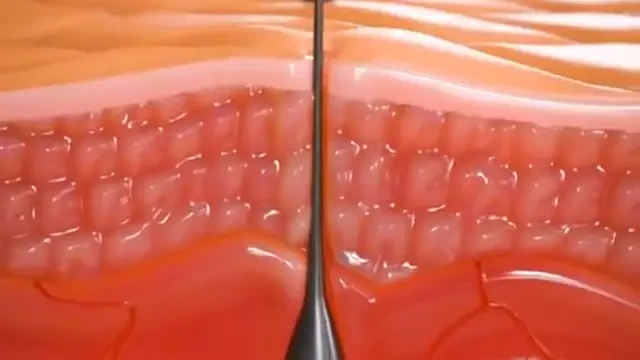
The animation, shared online by popular science creator Zackdfilms, offers a close-up look at the process most people never see.

Looking beyond the surface

When a hair is plucked, it feels simple. A quick pull and the hair is gone.

The simulation shows that the process is anything but gentle. Instead of removing just the visible strand, plucking yanks out the entire hair root from deep within the follicle.

That forceful removal can disturb the delicate structure that controls how hair grows back. Hair follicles are small but complex. They guide the direction and pattern of hair growth. According to the simulation, plucking can damage the follicle wall. When that happens, the new hair may not grow straight upward as intended.

Instead, it can emerge at an angle, setting the stage for irritation beneath the skin.

The animation follows what happens next. A new hair begins to grow, but rather than breaking through the skin, it curls inward.

Trapped below the surface, the hair continues to grow, creating pressure and inflammation. This is how an ingrown hair develops.

What started as a barely noticeable stray hair can turn into a red, swollen bump that draws far more attention than the original problem.

That's not what you want your hair to look like.
That’s not what you want your hair to look like (YouTube/zackdfilms)
Why ingrown hairs can be uncomfortable

Medical experts explain that ingrown hairs often come with irritation, itching, and tenderness. In some cases, the area can become discolored or painful to touch.

The Cleveland Clinic notes that anyone who removes hair by plucking or waxing can develop ingrown hairs. Shaving can cause them too, especially when hair grows back unevenly.

Repeated irritation increases the likelihood of inflammation.

The risk of repeated plucking

The simulation also highlights a longer-term effect. Repeatedly plucking the same area can cause cumulative damage to the follicle.

Over time, follicles may struggle to produce hair normally. In some cases, hair may stop growing altogether in that spot.

While that might sound appealing to some, experts caution that damaged follicles don’t always heal cleanly, and skin texture can change unpredictably.

Why plucking feels harmless

Part of the reason people underestimate plucking is because the effects aren’t immediate. Many get away with it for years without obvious issues.

But the simulation suggests that irritation builds gradually. Each pluck adds a small amount of trauma beneath the skin.

Eventually, the body responds, often in ways that are more noticeable and uncomfortable than the hair ever was.

What medical guidance says

Health authorities stress that ingrown hairs are usually not dangerous, but they can be bothersome. Symptoms may include small raised bumps, redness, itching, and mild pain.

In most cases, doctors recommend leaving the area alone and allowing the hair to grow out naturally. Applying warm compresses may help open pores and reduce discomfort.

Picking at or repeatedly removing the hair can worsen irritation.

Why the simulation struck a nerve

What makes the video unsettling is its realism. By visualizing layers of skin, follicles, and regrowth, it turns a routine beauty habit into something far more tangible.

Viewers aren’t being told to stop plucking entirely. Instead, the simulation encourages awareness of what the skin endures during the process.

For many, seeing the hidden damage is enough to rethink how often they reach for the tweezers.

Rethinking a common habit

Hair removal is a personal choice, and plucking will likely remain part of many routines.

But the simulation serves as a reminder that even small actions can have consequences beneath the surface. Moderation, proper skin care, and paying attention to irritation may help reduce unwanted side effects.

Sometimes, the smallest habits reveal the biggest surprises when you look just a little deeper.

Health Disclaimer
This article is for informational purposes only and is not intended as medical advice. Always consult a qualified healthcare professional before making any changes to your health, diet, or treatment.

Featured Image Credit: YouTube/@zackdfilms92

Topics: YouTubeBeauty