Smoking Just 2 Cigarettes a Day Death Risk, Study Warns

A lot of smokers have a “small amount” rule. Two cigarettes a day. Weekends only. A few when stress hits.

Here’s the uncomfortable part: scientists say even that low level of smoking may still come with a meaningful health risk—especially for your heart.

The “only two a day” myth is getting challenged again

Smoking is widely known to damage health, but some people still assume the real danger starts at a pack-a-day habit.

New research tracking a large group of adults for years suggests that assumption is risky. The findings add to a growing message from public health experts: there’s no truly “safe” level of cigarette smoking.

Smoking even a little bit is still very bad for you.
Smoking even a little bit is still very bad for you (SimpleImages/Getty)

What the long-term study found

Researchers analyzed data from more than 300,000 adults followed over roughly two decades, focusing on people who smoked at low levels rather than heavy daily smokers.

The result that’s grabbing attention: people who reported smoking about two cigarettes a day showed a higher risk of death from any cause compared with people who had never smoked, according to the report.

The study also reported an elevated risk tied to cardiovascular outcomes, including heart disease.

Even if you already believe cigarettes are harmful, the takeaway is simple: cutting down is not the same as removing the risk.

Why the heart and blood vessels take a hit

Doctors often describe smoking as a direct attack on the cardiovascular system.

That’s because tobacco smoke and nicotine can damage the lining of blood vessels and speed up the buildup of plaque in the arteries—processes linked with coronary artery disease and heart problems over time.

This matters because heart disease isn’t rare, and smoking doesn’t need to be heavy to contribute to risk.

“No amount is harmless,” experts say

The study’s authors and clinicians quoted in coverage of the research stressed a point many smokers don’t want to hear: even very low cigarette use can be clinically meaningful.

At the same time, they emphasized something more hopeful: quitting can reduce risk, and the earlier someone stops, the better the long-term outlook tends to be.

Smoking causes a huge number of serious problems.
Smoking causes a huge number of serious problems (MarianVejcik/Getty)

Why this warning fits the bigger public health picture

The CDC continues to describe tobacco use as the leading cause of preventable disease and death in the United States.

So when a large study finds measurable risk at “just two a day,” it lands in a larger reality: cigarettes affect nearly every organ system, and the body doesn’t treat “light smoking” as harmless.

If you’re trying to quit, you’re not alone

Quitting can be difficult, especially if cigarettes are tied to routines, stress, or social life.

If you’re thinking about stopping, consider reaching out to a qualified healthcare professional or a local quit-support service for personalized help and options.

Featured Image Credit: Getty Images

Topics: HealthNewsScienceWorld NewsCancer

Mom and 4-Year-Old Son Diagnosed With Cancer Same Day

Some days split life into “before” and “after.”
For one family in Oregon, that line was drawn in a matter of hours.

Britney McCrae and her four-year-old son, Jamon, were both diagnosed with cancer on the same day — a double blow that left their family trying to process two life-changing medical plans at once.

It started with headaches that wouldn’t let up

Jamon’s symptoms didn’t begin with anything dramatic.

His dad, Jake McCrae, said the four-year-old started complaining of headaches that grew worse over several days. As the pain “ramped up,” his parents decided they couldn’t wait it out.

They took him to the hospital, where doctors ordered an MRI.

That’s when the family got the first shock: the scan revealed a tumor.

Dad Jake described feeling 'helpless' about his loved ones diagnoses.
Dad Jake described feeling ‘helpless’ about his loved ones diagnoses (NewsWatch 12)

A surgery that stretched to 15 hours

The next steps moved quickly.

Jamon underwent surgery that lasted about 15 hours — far longer than the family expected. Jake said doctors initially believed the tumor could be benign, which offered a small sense of relief during an overwhelming moment.

But the real answers came later, when pathology results returned.

The pathology report brought the hardest news

On November 5, the family learned Jamon had an aggressive malignant brain tumor, according to reports cited in the original coverage.

The diagnosis meant the journey wasn’t ending with surgery. It was only beginning.

And then came the second shock — because that same day, Britney had an appointment of her own.

Mom’s diagnosis came within the same hour

While Jamon’s oncology care was being established, Britney learned she also had cancer.

She was diagnosed with gestational trophoblastic neoplasia, a rare group of conditions that can cause tumor growth during pregnancy instead of normal placental development. Medical sources describe it as uncommon, but treatable in many cases, often with chemotherapy.

Jake said their oncology appointments were about an hour apart. One parent was facing a child’s cancer plan, while the other was being given her own.

Britney and Jamon are now both undergoing treatment.
Britney and Jamon are now both undergoing treatment (NewsWatch 12)

Two treatments, one family trying to stay standing

Britney began chemotherapy.

Jamon later underwent a second major surgery on November 17, and the family has said his care plan includes weeks of radiation followed by months of chemotherapy.

The emotional strain is heavy, but the practical strain is just as real. The family is also caring for Jamon’s siblings while balancing hospital time, travel, and time away from work.

“Helpless” is the word the dad keeps coming back to

Jake has described the hardest part as feeling like he can’t fix it.

Not being able to take pain away. Not being able to swap places. Not being able to control what comes next.

It’s a feeling many families recognize — the moment you realize love isn’t the same as protection, even when you would do anything for the people in front of you.

Why this story is hitting people so hard

Cancer stories are never easy to read. But this one lands differently because it happened in such a tight window.

Two diagnoses. One day. A young child and his mom entering treatment at the same time.

And in the middle of it, a family trying to keep life going — meals, bedtime, siblings, hospital updates — while everything else has shifted.

Featured Image Credit: NewsWatch 12

Topics: CancerGoFundMeHealthUS News

New York Woman Sues Pfizer Over Depo-Provera After Brain Tumor Diagnosis at 30

Woman Sues Birth Control Company After Discovering ‘Lime-Sized’ Brain Tumor at 30

A Long Island mom says her life changed in an instant when doctors found a brain tumor “the size of a lime.” Now, she’s taking her fight to court.

Elizabeth Fleurisma has filed a lawsuit against Pfizer, alleging an injectable birth control she used for years did not adequately warn about a possible increased risk of certain tumors.

The case is one of many lawsuits that have been filed in recent months, with plaintiffs making similar claims about the same product.

A diagnosis that reshaped her daily life

Fleurisma says she was 30 when she learned she had a large brain tumor. She later underwent an extensive surgery that lasted around 16 hours, followed by weeks of radiation therapy.

Doctors removed much of the tumor, but Fleurisma says a portion remains lodged in her skull.

In interviews reported by US outlets, she described ongoing challenges after treatment, including struggling with speech and feeling disoriented in familiar environments.

The birth control is taken every three months via injection.
The birth control is taken every three months via injection (James Wakibia/SOPA Images/LightRocket via Getty Images)

What the lawsuit claims

The lawsuit targets Pfizer, the manufacturer of Depo-Provera, an injectable contraceptive typically administered every three months.

Fleurisma alleges the product’s labeling and warnings did not clearly communicate what she believes is a heightened risk of developing intracranial meningiomas. These tumors often grow slowly and form in the meninges, the membranes that cover the brain and spinal cord.

The filings also claim Pfizer knew—or should have known—about the alleged risk and failed to provide stronger warnings earlier. As with any civil complaint, these claims represent the plaintiff’s allegations and have not been proven in court.

Why she chose an injection over the pill

Fleurisma’s account describes a common decision many patients face: convenience and consistency.

After giving birth as a teenager, she reportedly looked for a birth control option that did not require remembering a daily pill. Depo-Provera, given by injection, became her choice.

According to the report, she used the injections for about eight years.

How Depo-Provera works

Depo-Provera contains progestin, a synthetic form of a hormone involved in the reproductive cycle.

Progestin-based contraceptives can prevent pregnancy by stopping ovulation and making it harder for sperm to reach an egg. Injectable birth control appeals to some people because it offers longer coverage between doses than daily tablets.

The lawsuit’s focus is not on whether the drug prevents pregnancy, but on whether the product label sufficiently warned users about a specific safety concern.

Fleurisma claims she still suffers issues as a result of the tumor.
Fleurisma claims she still suffers issues as a result of the tumor (Getty Stock Image)

Pfizer’s response and what comes next

Pfizer has pushed back against the accusations, saying it believes the claims lack merit and that it will defend itself in court.

In statements reported by the media, the company has said it stands behind the safety and efficacy of Depo-Provera and notes it has been used by millions of women worldwide.

The wider legal fight includes far more than Fleurisma’s case. Reports have described hundreds—potentially more—lawsuits connected to the same alleged issue, with plaintiffs seeking damages and stronger accountability around risk communication.

What this story signals for patients and regulators

Cases like this often reignite a broader conversation about how drug risks get communicated to the public, especially when a product has remained on the market for decades.

In situations involving widely used medicines, health agencies like the FDA play a major role in evaluating safety data and updating labeling when new evidence emerges. Media reports have also referenced a Reuters account that Pfizer sought additional warning language after reviewing research in 2023 that suggested a potential link.

For now, the core issue will play out in court: what the available evidence shows, what Pfizer knew and when, and whether warnings met legal and regulatory standards.

Featured Image Credit: Getty Stock Image

Topics: CancerHealthNewsUS News

Colon Cancer Deaths Rising in People Under 50

A worrying exception to progress

Cancer survival rates have improved dramatically over the past few decades.
Earlier detection, better treatments, and declining smoking rates have saved millions of lives.

But scientists say one type of cancer is moving in the opposite direction — and it’s affecting younger people.

New research shows that while deaths from most cancers are falling, colon cancer is becoming more deadly for people under the age of 50.
In fact, it is now the leading cause of cancer-related death in this age group.

That shift marks a sharp break from decades of progress in cancer care.

Colon cancer is much harder to treat if not detected early.
Colon cancer is much harder to treat if not detected early (Getty Stock Images)

What the data shows

According to a recent report from the American Cancer Society, overall cancer death rates among under-50s dropped by 44 percent between 1990 and 2023.

Four of the five deadliest cancers in younger adults followed that downward trend.
Colorectal cancer did not.

Instead, deaths from colon and rectal cancers have increased by roughly two percent per year, quietly reshaping cancer risk for younger generations.

From fifth place to the deadliest

In 1990, colorectal cancer ranked fifth among cancer deaths in people under 50.
Today, it sits at the top.

It is now the leading cause of cancer death in younger men and the second-leading cause in younger women, behind breast cancer — despite long being considered a disease of older age.

That matters because many younger patients, and even some clinicians, don’t initially suspect cancer.

Bloating and blood in your stool are among the most common signs of colorectal cancer.
Bloating and blood in your stool are among the most common signs of colorectal cancer (Getty Stock Images)

Why younger patients are at higher risk

One major factor is delayed diagnosis.
Routine screening for colorectal cancer typically begins at age 45, even after guidelines were lowered in response to rising cases.

People under that threshold are less likely to be screened and more likely to dismiss symptoms.

Bloating, blood in stool, abdominal pain, or changes in bowel habits are often attributed to stress, diet, or conditions like IBS, rather than cancer.

What experts are saying

Gastrointestinal cancer specialist Jeff Meyerhardt told Scientific American that colorectal cancer has long been viewed as a cancer of aging.

“That assumption held for decades,” he said, “until more recently.”

The concern now is that tumors in younger patients may go unnoticed for years before diagnosis.

How early does the disease begin?

Researchers are also questioning how colorectal cancer develops so early in life.
For someone diagnosed in their early 20s, scientists estimate precancerous growths may have started in childhood.

Andrea Cercek, co-director of the Center for Young Onset Colorectal and Gastrointestinal Cancer, says that possibility is driving urgent research.

“If a 22-year-old has cancer, that process likely began when they were a child,” she explained.

Possible causes under investigation

There is no single confirmed cause for the rise in early-onset colorectal cancer.
Researchers are examining several large-scale changes over the past 30 years.

These include diet, physical inactivity, obesity, antibiotic use, gut microbiome changes, and environmental exposures such as microplastics.

What’s often overlooked is that these factors may interact over time, accelerating disease development in younger bodies.

More people under the age of 50 are dying from colorectal cancers.
More people under the age of 50 are dying from colorectal cancers (Getty Stock Images)

Why awareness matters now

Survival outcomes for young adults with colorectal cancer can be life-altering, physically and emotionally.
Late diagnosis often means more aggressive treatment and reduced quality of life.

Experts stress that recognizing symptoms early remains the most effective way to reverse the trend.

The earlier colorectal cancer is found, the more treatable it becomes.

What younger people should know

Doctors urge anyone — regardless of age — to seek medical advice for persistent bowel changes, unexplained bleeding, ongoing bloating, or abdominal pain.

These symptoms don’t automatically mean cancer.
But ignoring them has become increasingly risky.

As scientists continue searching for answers, awareness may be the most powerful tool currently available.

Health Disclaimer
This article is for informational purposes only and is not intended as medical advice. Always consult a qualified healthcare professional before making any changes to your health, diet, or treatment.

Featured Image Credit: Getty Stock Images

Topics: CancerHealthScienceColon cancer

Doctor Reveals 5 Cancer Symptoms Often Mistaken for Other Illnesses

Why bowel cancer symptoms are frequently missed

Many people assume cancer symptoms are always obvious.
In reality, some of the most common warning signs are easy to dismiss as everyday health problems.

That misunderstanding can delay diagnosis, and doctors say it’s happening more often than many realise.

Awareness of bowel cancer has improved over the decades, helping survival rates overall.
However, diagnoses among people under 50 are rising, according to data from the American Cancer Society.

At the same time, surveys suggest around one in three adults struggle to recognise early symptoms, increasing the risk of late detection.

35 percent of people fail to recognize bowel cancer symptoms.
35 percent of people fail to recognize bowel cancer symptoms (Getty Stock Images)

Changes in bowel habits

A shift in how often you go to the toilet, or how your stools look, can seem harmless.
Many people put it down to diet, stress, or conditions like irritable bowel syndrome.

Doctors warn that ongoing diarrhoea, constipation, or feeling like your bowel hasn’t fully emptied should not be ignored, especially if it lasts several weeks.

Blood in your stool

Seeing blood can be alarming, but it’s often brushed off as piles or small tears.
While those causes are common, blood in the stool can also be a sign of bowel cancer.

Medical professionals stress that any unexplained bleeding should be checked, even if there is no pain.

A change in bowel habits could be a warning sign for cancer.
A change in bowel habits could be a warning sign for cancer (Getty Stock Images)

Persistent bloating

Bloating is extremely common and usually linked to digestion or hormonal changes.
That’s why it’s often overlooked as a potential warning sign.

Experts say persistent, unexplained bloating that doesn’t come and go may need further investigation, particularly if it’s new or worsening over time.

Prolonged fatigue

Feeling tired is easy to explain away in a busy life.
Poor sleep, stress, or diet are usually blamed first.

However, bowel cancer can cause internal bleeding that leads to anaemia, leaving people feeling constantly exhausted even after rest.

Bowel cancer can cause fatigue due to anaemia.
Bowel cancer can cause fatigue due to anaemia (Getty Stock Images)

Unexplained weight loss

Weight changes can happen for many reasons.
But losing weight without changing diet, exercise, or routine is considered a red flag.

Doctors say unexplained weight loss can signal several serious conditions, including bowel cancer, and should always be assessed by a healthcare professional.

Why early detection matters

In its earliest stages, bowel cancer may cause only mild or vague symptoms.
That makes awareness crucial.

Spotting changes early gives doctors more treatment options and significantly improves outcomes. What’s often overlooked is that acting on small symptoms can make a life-saving difference.

When to seek medical advice

Health experts encourage people to trust their instincts.
If something feels unusual, persistent, or out of character, it’s worth booking a GP appointment.

No symptom is too minor to mention, and doctors stress that early conversations can prevent far more serious problems later on.

Health Disclaimer
This article is for informational purposes only and is not intended as medical advice. Always consult a qualified healthcare professional before making any changes to your health, diet, or treatment.

Featured Image Credit: Getty Images/AndreyPopov

Topics: HealthCancerLife

Experts Warn One Embarrassing Symptom Could Require Immediate Medical Advice

Many serious health conditions don’t begin with dramatic warning signs.
Instead, they often start quietly, with symptoms that are easy to dismiss or feel awkward to talk about.

Health experts are now urging people not to ignore one such symptom, warning that it could be an early sign of cervical cancer and should prompt immediate medical advice.

Why subtle symptoms are easy to miss

Cancer symptoms frequently overlap with those of far less serious conditions.
That overlap is one reason early diagnosis can be challenging.

Doctors say knowing what to look out for — and acting when something feels different — can make a critical difference, especially with cancers that may show few signs at first.

The specific cancer experts are highlighting

In this case, specialists are focusing on cervical cancer.
It typically develops in one of two forms: squamous cell carcinoma or adenocarcinoma.

Both types can progress silently in their earliest stages, which is why awareness of unusual symptoms is so important.

Spotting cancer early is hugely important.
Spotting cancer early is hugely important (Alvaro Medina Jurado/Getty)

The ‘embarrassing’ symptom doctors say not to ignore

According to guidance referenced by leading medical authorities, one key symptom is unusual vaginal discharge.

This may appear watery or bloody, feel heavier than normal, or have an unpleasant odor.
While many people feel uncomfortable raising this with a doctor, experts stress that it should never be ignored.

Healthcare professionals emphasize that embarrassment should not delay medical advice, particularly when the symptom is persistent or unexplained.

Why early action matters

Cervical cancer outcomes are strongly linked to how early the disease is detected.
When identified sooner, treatment options are often more effective and less invasive.

Doctors note that early-stage cervical cancer may cause few or no symptoms at all, making any noticeable change — even a subtle one — worth checking.

Other symptoms that may appear

While unusual discharge is a key warning sign, it is not the only one experts associate with cervical cancer.

Other symptoms can include vaginal bleeding after sex, bleeding between periods, or bleeding after menopause.
Some people may also experience pelvic pain, pain during sex, or periods that become heavier, longer, or more painful than usual.

Why change is the biggest red flag

Many of these symptoms can also be linked to non-cancerous conditions such as fibroids or endometriosis.
What matters most, doctors say, is change.

A sudden shift from what is normal for you — especially without a clear explanation — should always be discussed with a healthcare professional.

Spotting cancer early could save your life.
Spotting cancer early could save your life (Pramote Polyamate/Getty)

The role of HPV in cervical cancer

Experts also highlight the link between cervical cancer and the human papillomavirus (HPV).
There are more than 100 types of HPV, and around a dozen are known to increase cancer risk.

Monitoring sexual health, attending routine screenings, and receiving the HPV vaccine where eligible are all considered key tools in reducing risk.

A message doctors want people to hear

Medical professionals stress that no symptom is “too embarrassing” to raise.
They also remind patients that doctors are trained to handle sensitive issues professionally and without judgment.

Spotting potential problems early could be life-saving — and that makes speaking up worth it.

Health Disclaimer

This article is for informational purposes only and is not intended as medical advice. Always consult a qualified healthcare professional if you notice new, unusual, or persistent symptoms.

Featured Image Credit: Getty Stock Images

Topics: CancerHealthNewsWorld NewsCommunity

    Scientists Achieve Complete Tumor Disappearance in Pancreatic Cancer Mouse Study

    Pancreatic cancer remains one of the most difficult cancers to treat. Survival rates are low, and treatment options are limited, leaving patients and families with few reasons for optimism.

    That is why a new study from Spain is drawing attention across the scientific community. Researchers say they have achieved the complete and lasting disappearance of pancreatic tumors in mice using an experimental treatment approach.

    While the findings are early and limited to laboratory models, experts say the results are unlike anything previously reported.

    Why pancreatic cancer is so challenging

    Pancreatic cancer is often diagnosed late, when the disease has already advanced. According to major cancer research organizations, fewer than one in ten patients survive more than five years after diagnosis.

    One of the main reasons is the cancer’s resistance to treatment. Tumors adapt quickly, making many therapies less effective over time.

    This resistance has been a major obstacle for decades, particularly in cancers driven by specific genetic mutations.

    The new study focuses on the KRAS oncogene, a genetic mutation found in around 90 percent of pancreatic cancer cases.

    KRAS plays a key role in driving tumor growth. Scientists have long tried to target it, but success has been limited because tumors often find ways around single-drug treatments.

    Previous attempts showed initial promise, only for the cancer to return within months.

    Instead of targeting KRAS in one way, the Spanish research team used a combination of three drugs designed to block the gene at multiple points.

    The idea was to make it harder for the tumor to adapt. By attacking the cancer from several angles at once, researchers hoped to prevent resistance from developing.

    This multi-layered approach is what sets the study apart from earlier efforts.

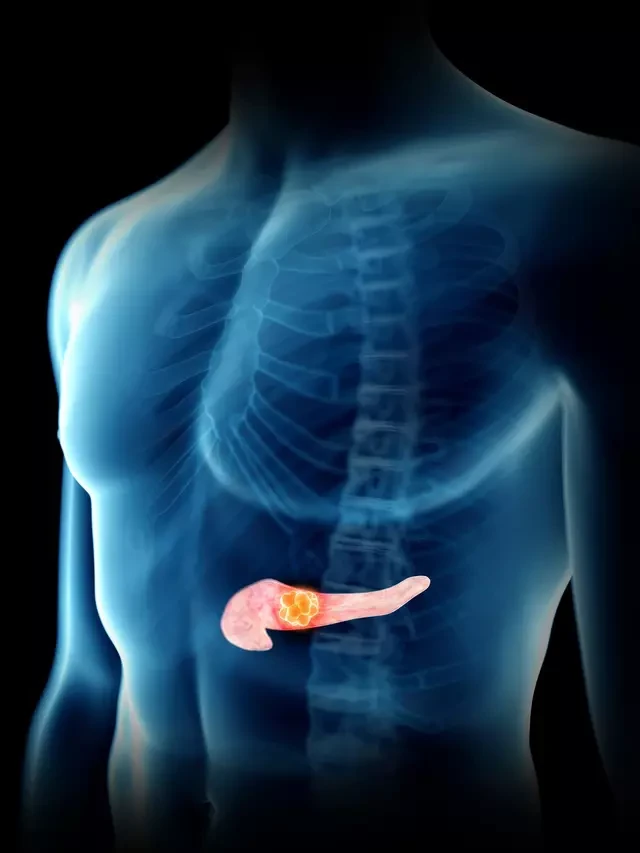
    The study saw tumors reduced in mice.
    The study saw tumors reduced in mice (Getty Stock Image)
    What the study found

    When tested in mice with pancreatic cancer, the treatment led to a complete elimination of tumors. Even more striking, the tumors did not return after treatment ended.

    Researchers reported no major side effects in the animals, an important factor when considering future development.

    In their published findings, the scientists described the results as a potential pathway toward designing new combination therapies for pancreatic cancer.

    Why the findings matter

    Permanent tumor disappearance is rarely seen in pancreatic cancer research, even in animal models. That is why the study has generated cautious optimism.

    The lead researcher, Dr Mariano Barbacid, is well known for his work in cancer genetics, including the identification of the first human oncogene.

    Experts say the team’s reputation and the rigor of the study add weight to the findings, even at this early stage.

    Important limitations to note

    Despite the excitement, researchers are clear about the study’s limits. The treatment has not been tested in humans, and clinical trials are not yet underway.

    Dr Barbacid has emphasized that translating the findings to human patients will not be simple. Human biology is more complex, and treatments that work in mice often fail in clinical settings.

    The study is best viewed as a foundation rather than a finished solution.

    What happens next

    The researchers say their findings could guide the development of future clinical trials. Before that can happen, additional laboratory studies are needed to confirm safety and effectiveness.

    Regulatory approval, dosage testing, and long-term monitoring would all be required before human trials could begin.

    Still, experts say the approach offers a promising direction for future pancreatic cancer research.

    Why cautious optimism matters

    Breakthroughs in cancer research often come in small steps rather than sudden cures. While headlines may focus on dramatic results, scientists stress the importance of measured expectations.

    This study does not mean pancreatic cancer has been cured. It does suggest, however, that new strategies may be able to overcome obstacles that once seemed insurmountable.

    For a disease with so few effective options, that alone represents meaningful progress.

    A hopeful signal for the future

    Pancreatic cancer has long been associated with grim statistics and limited advances. Studies like this show that innovation is still happening behind the scenes.

    Researchers around the world continue to explore new ways to target aggressive cancers at their genetic roots.

    While patients will need to wait for further developments, the study offers a rare note of hope in a field where breakthroughs are hard won.

    Health Disclaimer
    This article is for informational purposes only and is not intended as medical advice. Always consult a qualified healthcare professional before making any changes to your health, diet, or treatment.

    Featured Image Credit: Getty Stock Images

    Topics: CancerHealthScience