Woman Swallowed Live Frogs for Back Pain, Doctors Explain

An elderly woman’s attempt to relieve chronic back pain has sparked alarm after doctors discovered what she had swallowed.

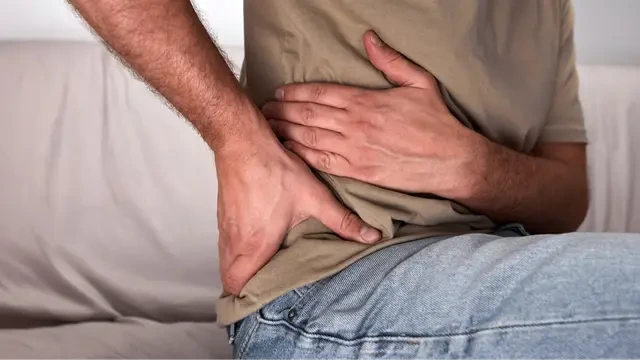
The 82-year-old, from Hangzhou in eastern China, reportedly ingested eight live frogs over two days after hearing they could help soothe her spine.

Instead of relief, she ended up in hospital with severe abdominal pain and a parasitic infection.

Why she tried the unusual remedy

According to local reports, the woman had been struggling with back pain caused by a herniated disc.

After years of discomfort and limited improvement, she turned to a folk belief that live frogs carried healing properties. She reportedly believed the animals could “cleanse” her body and restore balance.

Over the course of two days, she swallowed three frogs, followed by five more the next day.

Some believe live frogs hold healing power, doctors disagree.
Some believe live frogs hold healing power, doctors disagree (ANTONY DICKSON/AFP/Getty Images)

What happened next

It didn’t take long for symptoms to appear.

She developed intense stomach pain and nausea, prompting her family to seek urgent medical care. Doctors were reportedly stunned when they learned what she had consumed.

Examinations revealed damage to her digestive system and the presence of parasites.

The infection doctors found

Medical staff said she had developed sparganosis, an infection caused by tapeworm larvae known as sparganum.

This type of infection can occur when people consume raw or undercooked amphibians or reptiles. In some cases, larvae can migrate to different parts of the body.

Doctors explained that swallowing live frogs exposed her to parasites that entered her system and caused internal complications.

Why experts warn against raw animal remedies

Health authorities worldwide consistently advise against consuming raw or live animals as part of unverified treatments.

Parasites and bacteria present in wildlife can cause serious illness. Infections may affect the digestive tract, muscles, brain, or other organs depending on the organism involved.

While traditional remedies exist in many cultures, modern medical experts stress that treatments involving raw animal consumption carry significant risk.

Doctors warned the folk remedy left her dangerously infected.
Doctors warned the folk remedy left her dangerously infected (niuniu/Getty Images)

Not an isolated case

Reports of similar incidents have surfaced in previous years.

In one widely reported case, a woman who had consumed live frogs for years required surgical removal of a parasite. Another incident involved a parent feeding live tadpoles to a child.

Public health specialists say such cases highlight the danger of following unproven remedies shared by word of mouth or social media.

The broader issue

Chronic pain can be frustrating and difficult to manage, especially when standard treatments provide limited relief.

That frustration can push some individuals toward unconventional approaches. However, experts warn that replacing evidence-based care with risky practices may lead to far more serious medical problems.

In this case, doctors treated the infection and the woman is reportedly recovering.

A reminder from health professionals

Medical professionals emphasize that persistent back pain should be assessed by qualified clinicians, who can offer safer management strategies.

Unverified folk treatments, especially those involving live or raw animals, can introduce dangerous infections and long-term complications.

Relief may feel urgent. But as this case shows, some shortcuts can come at a high cost.

Featured Image Credit: Getty Images

Topics: ChinaHealth

Silent Heart Attack Symptom That Can Appear Days Before

Most people know the classic heart attack warning signs.

Crushing chest pain. Shortness of breath. A wave of nausea or anxiety that feels impossible to ignore.

But doctors say some symptoms can surface days before a heart attack — and they’re far easier to miss.

The breathing change many people dismiss

According to Dr Obaidur Rahman, one overlooked symptom is a condition called orthopnea.

Orthopnea describes shortness of breath that happens specifically when lying flat. People may find they breathe more comfortably when sitting upright or propped up on pillows.

It doesn’t always feel dramatic. Sometimes it simply feels like you “can’t quite get comfortable” at night.

Speed is hugely important with treating a heart attack.
Speed is hugely important with treating a heart attack (Rawlstock/Getty)

Why lying down can make it worse

When you stand or sit upright, gravity helps pull blood toward your lower body.

When you lie flat, that assistance disappears. Blood shifts back toward the chest.

In a healthy heart, this change isn’t a problem. But if the heart is weakened or struggling, that extra fluid pressure can back up into the lungs.

That can make breathing feel labored, especially at night.

Why it’s easy to ignore

Shortness of breath while lying down can be blamed on many things.

Stress. Anxiety. Poor sleep. Even indigestion.

Some people simply add another pillow and carry on.

Dr Rahman has suggested that many people overlook this signal, particularly if they don’t have obvious chest pain. That matters because timing is critical when it comes to heart attacks.

The better-known heart attack warning signs

Health authorities such as the NHS and the CDC list common acute symptoms of a heart attack as:

  • Chest pain or pressure
  • Pain spreading to the arm, neck, jaw, or back
  • Shortness of breath
  • Sweating
  • Feeling faint or nauseated

These symptoms require urgent medical attention.

But the challenge is that early heart attack symptoms don’t always follow a script.

The acute symptoms of a heart attack are widely known.
The acute symptoms of a heart attack are widely known (PhotoAlto/Frederic Cirou/Getty)

When breathing changes deserve attention

If someone suddenly needs to sleep upright to feel comfortable, wakes up gasping for air, or notices unexplained nighttime breathlessness, it’s worth discussing with a healthcare professional.

Orthopnea can also be linked to other heart-related conditions, including heart failure. It doesn’t automatically mean a heart attack is imminent, but it signals that the heart may not be coping as well as it should.

Here’s where things get important: subtle symptoms are often the ones people delay acting on.

Why early action matters

When a heart attack occurs, blood flow to part of the heart muscle becomes blocked.

The faster treatment begins, the better the chances of limiting damage. Minutes matter.

That’s why experts consistently stress that unusual, persistent, or worsening symptoms — especially breathing difficulties combined with chest discomfort — should never be ignored.

What’s often overlooked is that the body sometimes gives smaller warning signs before a major event.

A reminder, not a diagnosis

Shortness of breath at night can have many causes, including respiratory conditions, anxiety, or sleep disorders.

But if it’s new, unexplained, or paired with other concerning symptoms, seeking medical advice can provide clarity and peace of mind.

When it comes to heart health, caution tends to be safer than assumption.

Featured Image Credit: Getty Images

Topics: World NewsHealth

McDonald’s Coke and fries for migraines: what doctors say

When a migraine hits, people will try almost anything to make the pain stop.

That’s part of why a TikTok trend has taken off around an oddly specific “remedy”: a large Coca-Cola and fries from McDonald’s.

Fans call it the “McMigraine meal,” and many swear it works when over-the-counter medication doesn’t.

Where the ‘McMigraine meal’ came from

The idea gained traction after users started comparing notes online.

One question keeps popping up: why would fast food relieve a migraine better than a pharmacy run?

It’s a fair question — and doctors say there may be a few reasons it helps some people, at least temporarily.

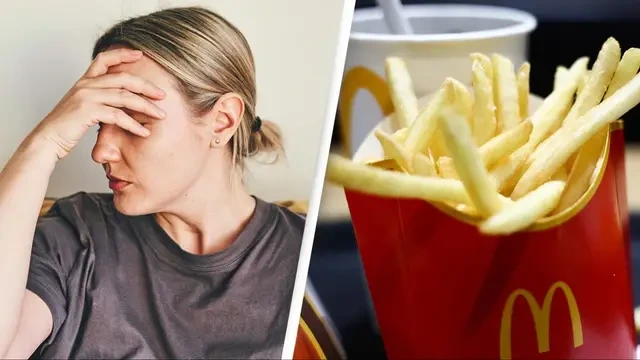
The ‘McMigraine’ – a large Coke and fries (Jakub Porzycki/NurPhoto via Getty Images)

A doctor’s four-part explanation

Dr Myro Figura has offered a simple breakdown for why the combo might take the edge off.

First, he suggested there’s a comfort factor. Eating something familiar can boost mood, which may make symptoms feel more manageable.

Second is the caffeine. A large Coke contains a meaningful dose of caffeine, which can help headaches for some people and is also found in certain migraine medications.

Third is the salt. Fries bring a lot of sodium, and if dehydration is part of the problem, salty food paired with fluid may help restore balance.

Finally, there’s the sugar and carbs. For people whose migraines are triggered by low blood sugar, a fast hit of carbs may reduce symptoms.

Why caffeine can feel like a “switch”

Caffeine is a complicated player in migraine.

In the short term, it can help some people by tightening blood vessels and boosting the effect of certain pain relievers. That’s one reason it shows up in some headache products.

But it can also backfire. Regular caffeine use can lead to withdrawal headaches, and too much can become a trigger for some migraine sufferers.

Another specialist urges caution

David Walker, MD, a headache and facial pain specialist at Rush University Medical Center, has also weighed in on the trend.

He’s acknowledged that caffeine can be helpful for short-term migraine relief, so it isn’t shocking that a Coke could make a difference for some people.

At the same time, he’s warned against treating the fast-food combo like a universal solution. Fried foods can trigger migraines in certain individuals, and expectations and comfort can influence how symptoms are felt.

Why it won’t work for everyone

Migraines aren’t one single condition with one single cause.

Dehydration, skipped meals, stress, sleep disruption, hormones, and specific foods can all play a role. What helps one person might do nothing for someone else — or even make things worse.

That’s why doctors generally frame this as an occasional, situational tool, not a replacement for medical care.

When to take migraines seriously

If you’re getting frequent migraines, worsening symptoms, or headaches that interfere with daily life, it’s worth speaking to a clinician.

A one-off “hack” might bring short relief, but it won’t address recurring triggers or rule out other issues.\

Featured Image Credit: Getty Stock Images / Jakub Porzycki/NurPhoto via Getty Images
Topics: HealthMcDonaldsTikTokFood and Drink

Medications You Should Never Mix With Alcohol, Pharmacist Warns

A drink with dinner can feel harmless. But if you’re taking certain medications, alcohol can change how those drugs work in your body — and not in a good way.

Some combinations can increase side effects like dizziness and drowsiness. Others can interfere with how a medication is processed, which may raise the risk of complications.

That’s why pharmacists often give the same simple warning: if your label says avoid alcohol, take it seriously.

Why alcohol can be a problem with medicine

Alcohol affects the brain, the liver, and the stomach. Many medicines do too.

When they overlap, the impact can stack. You may feel more sedated than expected, your reactions can slow, and your judgement can take a hit.

In other cases, alcohol can alter the way a drug is broken down, which may make it less effective or increase unwanted effects.

Pharmacist Deborah Grayson warned even a little bit of alcohol can have adverse effects.
Pharmacist Deborah Grayson warned even a little bit of alcohol can have adverse effects(Getty Stock Image)

Antibiotics

Antibiotics are commonly prescribed for infections, but alcohol is often advised against while you’re taking them.

Some antibiotics are known for causing particularly unpleasant reactions when combined with alcohol. Pharmacists frequently point to metronidazole as a key example, where mixing with alcohol may trigger severe nausea and vomiting in some people.

Even when a reaction isn’t considered “dangerous,” drinking while unwell can still make recovery harder by worsening dehydration, sleep disruption, or stomach irritation.

Blood thinners

Blood thinners help prevent clots and can be critical for people at risk of stroke or heart attack.

Alcohol can complicate that picture. With medications such as warfarin, drinking may affect how the drug is processed and how well blood clotting is controlled.

That can increase the risk of bleeding complications in some cases — and it can also reduce predictable control of the medication, which is exactly what patients and clinicians try to avoid.

Drinking alcohol with some medications can make them less effective.
Drinking alcohol with some medications can make them less effective (Getty Stock Image)

Antidepressants

Alcohol and antidepressants are a common combination people assume is “fine in moderation,” but it can still be risky.

Alcohol can worsen low mood and may blunt the benefit of antidepressant treatment for some people. Certain antidepressants can also cause drowsiness or dizziness, and alcohol can make those effects stronger.

Health services including the NHS have warned about combining alcohol with antidepressants because it can increase side effects and may affect how well treatment works.

ADHD medications

Many ADHD medications are stimulants. Alcohol is a depressant. Mixing the two can create misleading signals in the body.

One concern that experts raise is that stimulant medications may mask how intoxicated someone feels. That can lead to drinking more than intended, because the “buzz” doesn’t feel as strong early on.

The risk isn’t just about feeling drunk. It’s about the decisions people make when they don’t realize how impaired they’ve become.

The expert warned that the alcohol with medication combo can result in more severe side effects.
The expert warned that the alcohol with medication combo can result in more severe side effects (Getty Stock Image)

Antipsychotic medications

Antipsychotic medications can already cause sedation, slowed reaction time, and dizziness in some patients.

Alcohol can intensify those effects and increase the likelihood of accidents, including falls. It can also affect mood and judgement, which can be especially concerning for anyone managing a mental health condition.

Because these medications vary widely, clinicians often advise patients to avoid alcohol unless they’ve been specifically told it’s safe for them.

Sleeping tablets and sedatives

This is one of the clearest “don’t mix” categories.

Sleeping pills, sedating antihistamines, and some anti-anxiety medications can slow the central nervous system. Alcohol can do the same.

Together, they may increase drowsiness, confusion, and impaired breathing in a way that becomes dangerous — especially for older adults, or anyone with underlying health conditions.

What to do if you’re unsure

Medication guidance isn’t one-size-fits-all. The safest move is to follow the label and ask a pharmacist or prescriber if you’re not sure what applies to your specific prescription.

If you’ve already mixed alcohol with a medication and feel unwell — especially if you have severe symptoms — seek urgent medical advice.

Featured Image Credit: Westend61 / Getty Images

Topics: NewsHealthAlcohol

Chronic Kidney Disease Symptoms as Death Toll Rises Worldwide

Kidney disease rarely arrives with a dramatic warning. For many people, it builds quietly in the background until daily life starts to change in ways that feel easy to explain away.

That’s one reason health experts keep raising the alarm as chronic kidney disease (CKD) climbs the global rankings of major causes of death. According to the World Health Organization, the top 10 causes of death accounted for more than half of all global deaths in 2021, and kidney disease appeared among them for the first time.

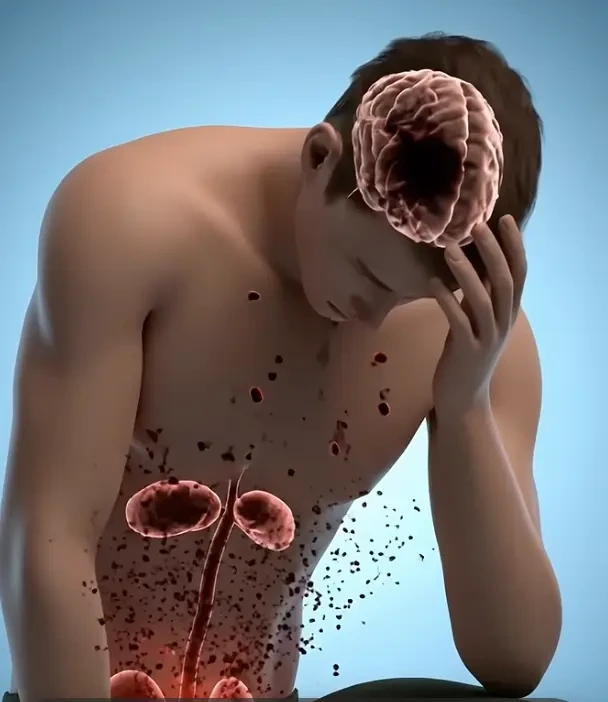
Experts warn it's imperative that the disease is caught early.
Experts warn it’s imperative that the disease is caught early (Getty Stock Image)

What chronic kidney disease actually is

CKD is long-term damage to the kidneys that reduces how well they filter waste and extra fluid from the blood.

When kidney function drops, harmful waste and fluid can build up in the body. Over time, that can contribute to serious complications, including cardiovascular problems, and can become life-threatening.

Public health agencies like the CDC also warn that many people live with CKD without knowing it, which makes early detection a major challenge.

Why early symptoms are often missed

In the early stages, CKD may cause no noticeable symptoms at all. Some health authorities note that the body can cope with a significant loss of kidney function before clear signs show up.

That means a diagnosis often happens during blood or urine testing done for another reason. It can feel surprising, especially for people who still feel “fine.”

Your most obvious symptoms might emerge at night.
Your most obvious symptoms might emerge at night (Getty Stock Image)

Subtle changes that can show up first

When symptoms do appear, they can be vague and easy to blame on stress, age, or a busy routine.

People may notice fatigue that doesn’t match their sleep, a general sense of low energy, or trouble concentrating. Some report changes in appetite, including eating less than usual or unintentional weight changes.

Sleep can also shift. Some people experience restless sleep or insomnia, while others feel unusually sleepy during the day.

Swelling and fluid retention

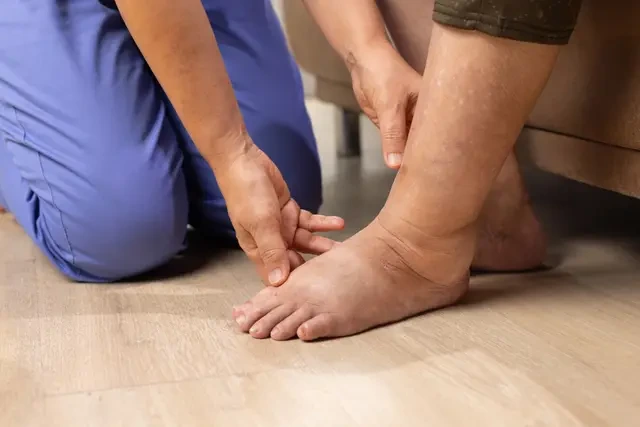
One of the more visible warning signs is swelling in the ankles, feet, legs, or hands.

This can happen when the body holds onto extra fluid. It may come and go at first, which makes it tempting to ignore, especially if it seems linked to sitting for long periods or hot weather.

Some people also experience shortness of breath, which can have many causes. In CKD, it may relate to fluid balance issues or associated complications.

The feet and other areas of the body can become swollen from water retention.
The feet and other areas of the body can become swollen from water retention (Getty Stock Image)

Changes in urination

Bathroom habits can change as kidney function declines.

Some people notice they urinate more often, especially at night. Others see foamy urine, which can signal protein in the urine, or they may notice blood in the urine.

These changes don’t automatically mean CKD, but they are often listed by health authorities as signs worth taking seriously in a medical setting.

Other symptoms that can develop later

As CKD progresses, symptoms may become harder to ignore.

People may experience nausea, headaches, muscle cramps, itchy skin, or a general feeling of being unwell. Some develop anemia, which can worsen fatigue and weakness.

In advanced stages, the condition can progress to kidney failure, also called end-stage renal disease. At that point, treatments may include dialysis or a kidney transplant, depending on the person’s situation.

Dialysis may be required to treat the problem.
Dialysis may be required to treat the problem (Getty Stock Image)

Why risk is rising

Researchers and public health agencies often point to overlapping drivers: high blood pressure, high blood sugar, and higher body weight can increase CKD risk. Population aging can also raise overall case numbers because kidney function naturally declines with age for many people.

What’s often overlooked is how “silent” the early phase can be. When a condition hides until it becomes severe, it tends to be diagnosed later and treated later, too.

Featured Image Credit: Getty Images/m-gucci

Topics: HealthNHSUS NewsWorld News

What Happens When You Quit Sugar for 7 Days, Explained

Cutting back on sugar sounds simple on paper. In real life, it can feel like your body has other ideas.

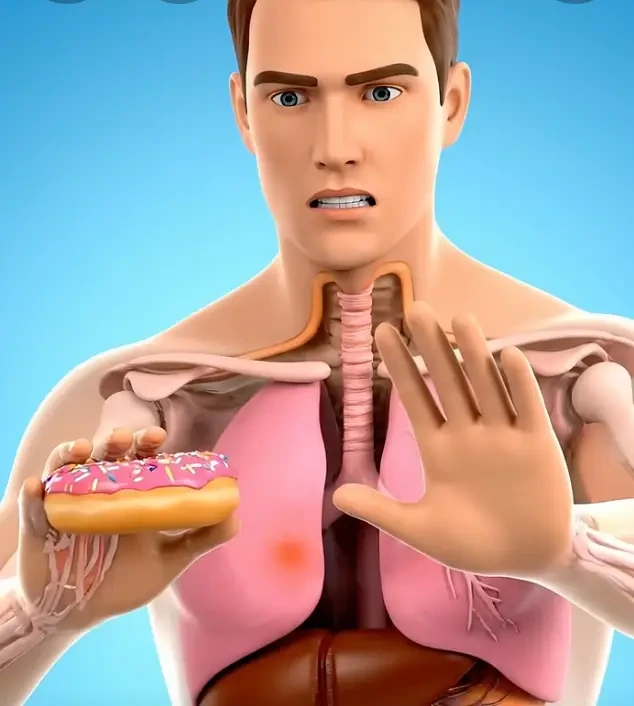
A new simulation video circulating on YouTube claims the first week without sugar can bring a wave of physical and mental changes, especially for people who are used to sweet snacks, sugary drinks, and ultra-processed foods as daily staples.

The point isn’t that sugar is “poison,” or that having dessert means you’ve failed. It’s that for some people, going from “a lot” to “none” can be a jolt.

Why quitting sugar can feel harder than expected

Sugar is tied to habit, convenience, and comfort. It shows up in obvious places like candy, soda, and baked goods, but also in foods people don’t always think of as “sweet.”

That matters because many people don’t notice how often they’re reaching for something sugary until they try to stop. The simulation suggests that sudden removal can trigger a short-term crash in mood and energy, which is often what drives people back to old routines.

Trying to cut out sugar can be more difficult than you might think.
Trying to cut out sugar can be more difficult than you might think (Untold_Healing/YouTube)

Days 1–2: cravings, headaches, and mood swings

According to the video, the first 48 hours are the roughest for cravings. This is where people may feel restless, irritable, and unusually tired.

The simulation describes this stage as a withdrawal-like period, with common complaints including headaches, fatigue, and mood swings. Not everyone experiences it, but it’s a pattern that comes up often in personal reports and in discussions around cutting back on highly palatable foods.

Some experts who work in addiction recovery have also noted that people who feel dependent on sugar sometimes report unpleasant early symptoms when they reduce it quickly.

Days 3–4: the “fog” starts to lift

The simulation’s midweek message is more encouraging. By days three and four, it claims many people notice steadier energy and fewer dramatic slumps.

If someone is used to an afternoon crash, the video suggests that pattern may soften once the daily sugar spikes and dips calm down. It also frames this period as one where cravings become less constant, even if they still pop up.

This is also where some people say they start noticing changes in appetite cues—like feeling hungry more gradually, rather than suddenly needing a quick hit of something sweet.

Days 5–7: sleep shifts and visible changes

By the end of the week, the simulation claims people may notice improvements that feel more “whole body” than just appetite.

It suggests sleep quality can improve and sugar cravings can become less intense. The video also claims some people see reduced puffiness and fewer breakouts, framing it as a decrease in inflammation-related effects.

It’s important to treat these as possible experiences, not guarantees. Skin changes, in particular, can be influenced by many factors, including hydration, stress, hormones, and overall diet quality.

Experts have noted common withdrawal symptoms include anxiety and mood swings, as well as having headaches .
Experts have noted common withdrawal symptoms include anxiety and mood swings, as well as having headaches (Untold_Healing/YouTube)

The brain chemistry angle experts talk about

One reason sugar can be tough to cut is how strongly it can reinforce reward patterns.

Some experts point to dopamine, a neurotransmitter involved in motivation and reward. Highly sweet foods can feel satisfying fast, and that immediate payoff can make the habit stick—especially when someone is stressed, tired, or using food as a coping tool.

That doesn’t mean sugar is inherently “addictive” in the same way as drugs for every person. But it can help explain why some people feel irritable or low when they suddenly remove a big source of daily reward.

What to keep in mind before trying a sugar reset

Health authorities like the CDC and WHO have long emphasized limiting added sugars as part of an overall healthy eating pattern. But “quitting sugar” can mean different things depending on the person.

For some, it means cutting soda and candy. For others, it might mean being more aware of added sugars in packaged foods. And for people with diabetes or other medical conditions, any major dietary change can carry extra considerations.

Featured Image Credit: Untold_Healing/YouTube

Topics: NewsUS NewsHealthFood and Drink

New Study: Who Loses Less Fat on Weight-Loss Jabs?

Weight-loss injections are everywhere, but results still vary

GLP-1 medications have moved from a niche diabetes treatment to a mainstream weight-loss tool in a very short time. Surveys suggest roughly one in eight U.S. adults have tried drugs in this category, including Ozempic and similar medications.

But even with the same prescription, the experience can look different from person to person. Some people see steady changes in appetite and weight, while others feel like progress slows down, or doesn’t show up the way they expected.

What GLP-1 drugs do in the body

GLP-1 receptor agonists mimic a hormone involved in blood sugar control and appetite regulation. In simple terms, they can help people feel fuller sooner and reduce how much they want to eat, which is why they’re used in type 2 diabetes care and, increasingly, in obesity treatment.

That’s the headline benefit. The question researchers keep coming back to is why the response can still be uneven—especially when it comes to fat loss and body composition.

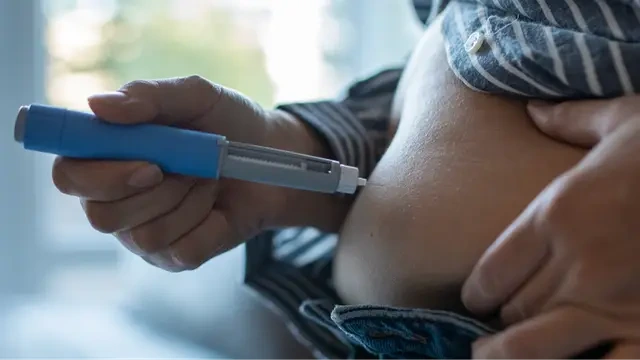
Around 12 percent of Americans have been using weight loss jabs to shed the pounds.
Around 12 percent of Americans have been using weight loss jabs to shed the pounds (Getty Stock Photo)

The study looked at eating behaviors before treatment

In a study involving 92 adults in Japan with type 2 diabetes, researchers tracked changes over time after participants were prescribed a GLP-1 medication. They monitored weight and body composition, alongside markers like blood sugar and cholesterol.

What made the research stand out was the behavioral angle: the team assessed three common eating patterns before and during treatment—external eating, emotional eating, and restrained eating.

External vs emotional vs restrained eating

The categories are widely used in behavioral nutrition research, and the distinctions are straightforward:

  • External eating: eating triggered by cues like smell, appearance, or availability of food, rather than hunger.
  • Emotional eating: eating in response to feelings like stress, sadness, or anxiety.
  • Restrained eating: consciously restricting intake to control weight, often with periods of “holding back.”

These patterns can overlap, but the study treated them as separate signals that might predict who benefits most.

Emotional eating refers to eating based on emotions such as sadness, or stress.
Emotional eating refers to eating based on emotions such as sadness, or stress (Getty Stock Photo)

Who was least likely to lose fat on the jabs

The researchers reported that, over time, people whose overeating was driven mainly by emotional eating or restrained eating tended to lose less weight than those whose eating was more strongly influenced by external cues.

They also found that while many participants showed reduced emotional and external eating after about three months, emotional eating scores later drifted back toward baseline by the 12-month mark—suggesting the early appetite effect may not fully address the underlying drivers behind emotion-linked eating.

One of the authors suggested a possible reason: emotional eating may be shaped more by psychological factors that medication alone doesn’t directly change.

GLP-1 agonists are a type of treatment that mimic the hormone, GLP-1.
GLP-1 agonists are a type of treatment that mimic the hormone, GLP-1 (Getty Stock Photo)

What this could mean (and what it doesn’t)

The takeaway isn’t that GLP-1 medications “don’t work” for people who emotionally eat. It’s that behavioral patterns might help explain why outcomes differ, and why some people may see less fat loss even while on the same type of drug.

The researchers also emphasized that these findings are preliminary and need validation in larger studies before they can be used to guide clinical decisions.

Why this matters as use keeps climbing

As more people try weight-loss jabs, expectations are rising with them. And with uptake now widespread—again, about 12% of U.S. adults have tried GLP-1 drugs, according to a KFF survey—understanding who benefits most (and why) matters for patients, clinicians, and health systems alike.

If future research confirms these links, a simple check-in on eating behaviors could become one more tool for setting realistic expectations and pairing medication with the right kind of support.

Featured Image Credit: Getty Images/Tatsiana Volkava

Topics: HealthNewsScience

Surgeon Arrested Over Claim Child Assisted in Brain Surgery

It’s the kind of allegation that stops people in their tracks: a child inside an operating room during a brain procedure.

A neurosurgeon in Austria has been arrested on suspicion of allowing her 12-year-old daughter to assist in a cranial operation at Graz Regional Hospital, according to reports presented in court. The case has sparked outrage and raised serious questions about patient consent, operating room protocols, and accountability in high-risk medical settings.

The emergency surgery at the center of the case

The incident reportedly traces back to January 13, 2024, when a man suffered a traumatic brain injury in a forestry accident and was rushed to hospital for urgent, life-saving surgery.

Court proceedings heard that the operation itself was successful. However, prosecutors allege an extraordinary breach occurred before the procedure ended, involving the surgeon’s daughter and a medical drill used during cranial work.

The neurosurgeon claims she was 'distracted' when the incident occured.
The neurosurgeon claims she was ‘distracted’ when the incident occured (Getty)

What prosecutors allege happened in the operating room

Accounts described in court suggest there are competing versions of how events unfolded.

According to reporting cited during proceedings, the child was allegedly permitted into the operating room and, at some point, was given access to a drill used to create a borehole in the patient’s skull — a step that can be used to place a probe or support further work during neurosurgery.

Prosecutors argued the risk of such an act “cannot be downplayed,” even if no immediate harm was recorded in the aftermath. They also described the alleged decision as showing a profound lack of respect for the patient.

Conflicting accounts and the defense response

Both the neurosurgeon and another medic connected to the operation have pleaded not guilty to accusations tied to minor bodily harm, according to reports from the hearing.

The neurosurgeon’s attorney argued that the child did not actually drill and that the doctor maintained overall control of the equipment. He reportedly acknowledged it was a poor decision for the child to be present, while maintaining it should not be treated as criminal conduct in the way prosecutors describe.

A separate defense position presented for the doctor involved in the procedure claimed he did not know the child’s age. The court reportedly heard he allowed the child to place her hand on top of his hand while he operated the drill, framing it as guidance rather than direct participation.

The child was reportedly permitted inside the operating room.
The child was reportedly permitted inside the operating room (Getty)

The mother’s explanation and what she disputes

The neurosurgeon is said to have told the court she had been distracted at the time of the alleged drilling moment.

She reportedly said her daughter had been studying in her office earlier in the day and followed her when she was called into the operating room. While she is accused of allowing the child to remain, she disputes witnessing the key moment described by prosecutors.

The court also heard allegations that she later encouraged a colleague to deny or downplay the incident during questions, which she reportedly explained as an attempt to protect him.

How the incident came to light

The head of neurosurgery at the hospital reportedly received an anonymous letter about the incident and said he initially struggled to believe it.

As scrutiny grew, the case moved into the legal system, with the Graz-East District Court hearing details and arguments from both sides.

What happens next

The verdict has been postponed until December 10, according to reports from the proceedings.

For now, the case remains at the allegation stage, with prosecutors and defense offering sharply different interpretations of what occurred — and whether any line was crossed from a shocking lapse in judgment into criminal wrongdoing.

Featured Image Credit: Getty Stock Image

Topics: CourtHealthWorld NewsParentingWeird

Artist, 95, Dies Through Medical Aid in Switzerland After Saying She Was “Ready to Go”

A New York-based artist known for her distinctive wooden sculptures has died at 95 after choosing medical aid in dying outside the United States.

Jackie Ferrara’s death was confirmed by her estate and legacy adviser, Tina Hejtmanek, who said Ferrara died on Wednesday, October 22, through an assisted-dying process.

Her decision has drawn attention not only because of her age and career, but because Ferrara had recently described herself as being in “good health” while also saying she felt prepared to leave.

Who was Jackie Ferrara?

Ferrara built a reputation for creating sculptural works in wood, often described as precise and quietly powerful.

In recent interviews, she spoke candidly about aging and independence, suggesting she wanted control over what the later years of life looked like for her.

Those close to her described her as direct, practical, and determined—traits that also shaped how she approached her final decision.

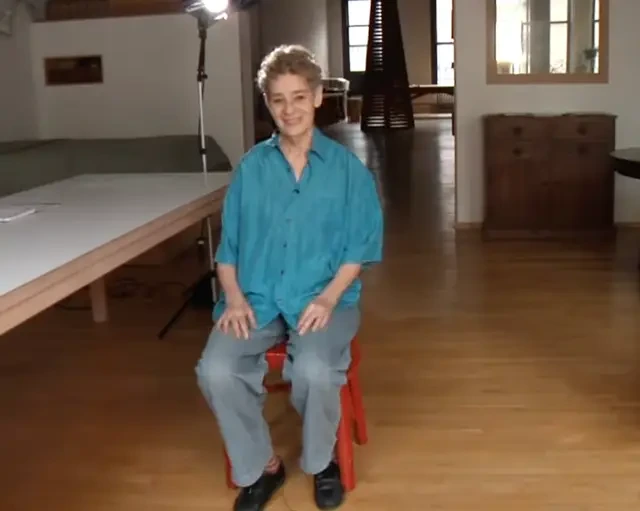
Ferrara took her own life through medical aid in dying.
Ferrara took her own life through medical aid in dying (YouTube/Museum of Arts and Design)

Why her death could not happen under most US “MAID” laws

In parts of the United States, medical aid in dying (often shortened to MAID) is legal under strict conditions.

In the jurisdictions that allow it, the standard framework generally requires that a person be terminally ill and expected to live six months or less. Patients must also meet other eligibility requirements and follow a regulated request process.

Ferrara did not describe herself as terminally ill. That meant she would not have qualified under the most common US legal thresholds for medical aid in dying.

Why Switzerland is different

Instead, Ferrara traveled to Basel, Switzerland, to a clinic called Pegasos, according to reporting by PEOPLE.

Assisted dying has been legal in Switzerland for decades, dating back to 1942, and the country is known for allowing assistance under conditions that differ from many other nations. One key point often cited is the distinction between assisted dying and euthanasia: in Switzerland, the final act is typically performed by the person themselves, rather than administered by a clinician.

That legal structure has made Switzerland a destination for some people who do not meet the requirements in their home countries.

Ferrara was in good health.
Ferrara was in good health (YouTube/Museum of Arts and Design)

What Ferrara said about aging and independence

Ferrara’s comments in recent months framed her decision less as a reaction to a medical crisis and more as a personal boundary around dependence.

She reportedly referenced recent falls and the possibility of needing increasing support. In one remark, she said she didn’t want a housekeeper, and suggested she had lived her life on her own terms.

The theme running through her statements was control: not a desire to escape illness, but a desire to avoid a future she felt would reduce her autonomy.

A wider conversation about end-of-life choice

Cases like Ferrara’s tend to reopen a difficult debate: what counts as suffering, and who gets to define it?

Supporters of expanded assisted-dying laws often argue that quality of life and personal dignity should matter alongside medical prognosis. Critics argue that loosening standards risks normalizing death as a response to non-terminal challenges, especially in older age, disability, or social vulnerability.

Ferrara’s situation sits in the middle of that tension, because it does not fit the most familiar public narrative of terminal illness.

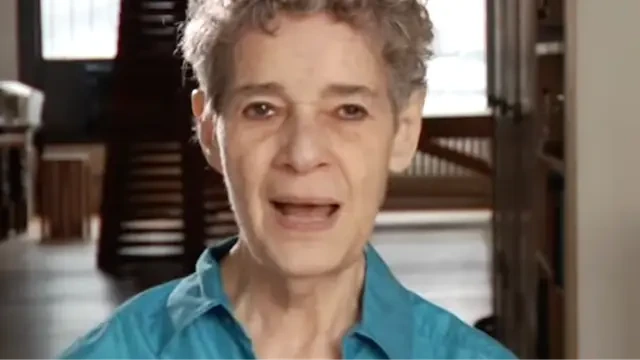
Ruth Posner died by assisted suicide earlier this year.
Ruth Posner died by assisted suicide earlier this year (YouTube/GB News)

Another recent assisted-dying case highlighted in the report

The story also referenced Ruth Posner, a Holocaust survivor, who died by assisted suicide in Switzerland earlier in 2025 alongside her 97-year-old husband, Michael.

In that case, the couple reportedly informed family and friends via an email that was scheduled to arrive after their deaths. They described living a long life together and said they felt that declining senses and energy had shifted life from “living” to “existing.”

It was presented as a mutual decision, made without outside pressure.

What happens next

Ferrara’s death is likely to continue prompting questions about how countries draw legal lines around end-of-life options—and how those lines match the realities of aging.

For some, her choice will read as an assertion of independence. For others, it will raise ethical unease about what society signals when a person can seek assisted dying while not terminally ill.

Either way, Ferrara’s story is now part of a broader global debate that shows no sign of settling.

Featured Image Credit: Museum of Arts and Design via YouTube

Topics: ArtWorld NewsUS NewsHealth

Man “Locked In” for Years Shares His Remarkable Comeback

Some stories stop you mid-scroll because they force a simple question: what if you were awake, aware, and still unable to tell anyone?

That’s the reality Martin Pistorius says he lived through for years after a childhood illness changed his life in ways his family never expected.

A childhood illness that spiraled fast

Pistorius was a 12-year-old in South Africa when a sore throat turned into something far more serious.

He was taken to hospital and later diagnosed with cryptococcal meningitis and tuberculosis affecting the brain. Treatments were attempted, but his condition worsened rather than improved.

Over time, he developed what is often described as locked-in syndrome, a rare neurological condition where a person may remain conscious but cannot move or communicate in typical ways.

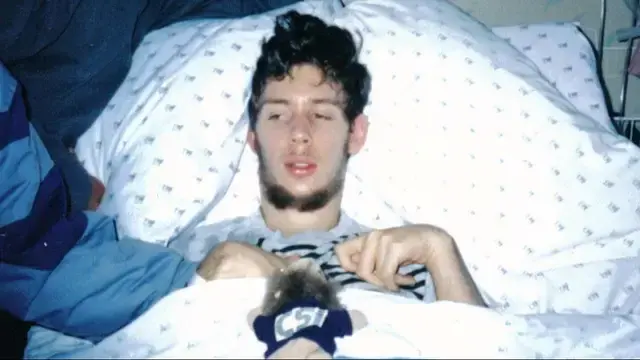
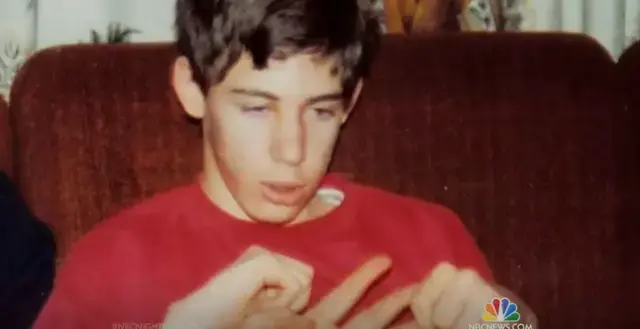
Martin Pistorius made a miraculous recovery from 'locked-in syndrome', but his fight was an uphill battle.
Martin Pistorius made a miraculous recovery from ‘locked-in syndrome’, but his fight was an uphill battle (Supplied)

When the world assumes you’re not there

For his family and caregivers, the outward signs looked bleak.

Pistorius has described a period where he appeared unresponsive, and the expectations around him narrowed to survival, not recovery. Doctors reportedly told his loved ones his outlook was poor.

But in his own account, the most frightening part was not pain. It was the feeling of being present while everyone else believed he was gone.

He has said it felt like his entire life was managed by other people—what he wore, where he went, what happened next—without any way to protest, agree, or even signal that he understood.

The moment awareness returned, unnoticed

Years later, Pistorius says something shifted.

Around his mid-teens, he became increasingly aware of conversations around him. He could hear people discussing him in real time, including remarks that didn’t match what he felt inside.

One memory he has shared publicly is hearing people talk about facial hair and shaving, while he still felt like a child. The disconnect terrified him. He understood what was being said, yet had no control to respond.

For a long time, those around him did not recognize the change. To the outside world, he still looked the same.

The man has since found love with his wife, with the pair welcoming a son into the world.
The man has since found love with his wife, with the pair welcoming a son into the world (Supplied)

A therapist who noticed “something” others missed

The turning point, according to Pistorius, came years later at a day centre when he met therapist Virna van der Walt.

She noticed signs that suggested he might be more aware than anyone realized. It wasn’t a dramatic medical breakthrough. It was observation, patience, and a willingness to question assumptions.

Van der Walt urged his family to seek an assessment from specialists in augmentative and alternative communication. That step helped confirm he could understand what was happening around him.

Finding a voice through technology

Once the reality of his awareness became clear, the focus shifted to communication.

Pistorius eventually began using a computer-based system designed to help people who can’t speak. Using a head-mounted pointer, he could select letters and words, building sentences slowly but reliably.

It wasn’t instant freedom, but it was a way back into conversation, decision-making, and independence—one selection at a time.

A life rebuilt, piece by piece

Years after being unable to communicate, Pistorius has gone on to achieve milestones many people take for granted, and others consider out of reach.

He has spoken about completing higher education, learning new skills, and building a family life. He later married and became a father.

In messages shared with the public, he has also expressed gratitude to people who supported him through the most isolating years—especially those who treated him as a person first, not a diagnosis.

Pistorius has credited therapist Virna van der Walt for noticing the 'sparkle' in his eye again.
Pistorius has credited therapist Virna van der Walt for noticing the ‘sparkle’ in his eye again (martinpistorius/Instagram)

Why his story still resonates

What’s often overlooked is how easily “unresponsive” can be mistaken for “unaware.”

Pistorius’ experience has become a powerful reminder of why careful assessment, respectful care, and thoughtful communication support can matter so much—especially in cases involving severe neurological illness.

For him, it started with someone noticing a small sign and choosing to follow it. And that choice changed the rest of his life.

Featured Image Credit: Supplied

Topics: HealthUS News