
As airport screening measures reminiscent of the early Covid-19 days return in parts of Asia, concern is growing about a virus many people had never heard of until recently.
The focus is the Nipah virus, a rare but highly lethal disease that has prompted heightened surveillance after confirmed cases in eastern India. While the fatality rate is alarming, experts say the virus behaves very differently from Covid-19.
Why Nipah virus is back in the spotlight
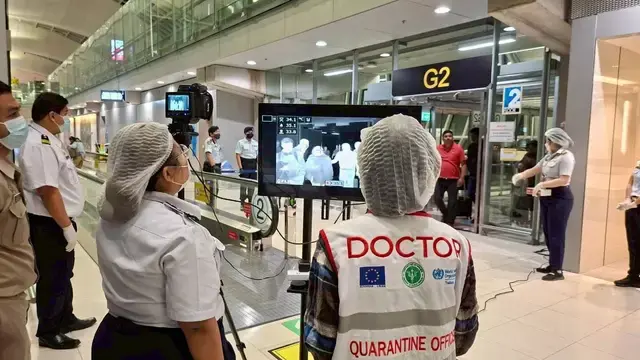
Thailand, Taiwan, and Nepal have introduced screening measures for travelers after cases were reported in West Bengal, India. The Indian government initially reported five possible cases before confirming the number was two.
Both cases involved nurses who had worked together at a private hospital in late December. They became unwell soon after and were admitted to intensive care in early January, with one reportedly in critical condition.
The developments have sparked public anxiety, especially given the global trauma left by the Covid-19 pandemic.
What makes Nipah virus so dangerous
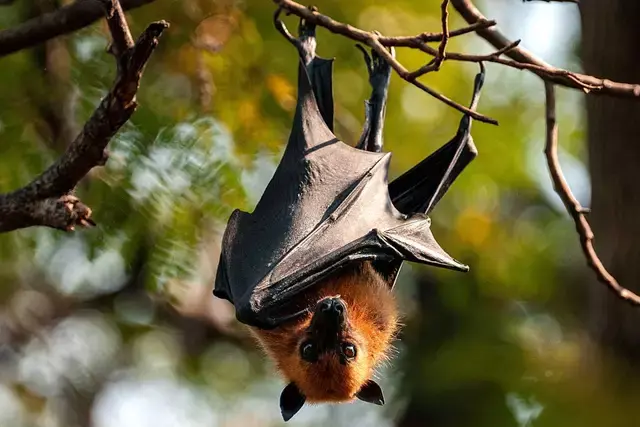
Nipah virus is classified as a zoonotic disease, meaning it spreads from animals to humans. Fruit bats are the primary natural hosts, and human infections often occur through contaminated food or direct contact.
In parts of India and Bangladesh, infections have frequently been linked to people drinking raw date palm sap, a seasonal delicacy that can become contaminated by bats during winter months.
Early symptoms often resemble the flu, including fever, headache, muscle pain, and fatigue. In more severe cases, the virus can affect the brain and lungs, leading to life-threatening complications.
A fatality rate that raises alarm
What makes Nipah particularly concerning is its fatality rate. Experts estimate that infections contracted directly from bats can be fatal in up to 90 percent of cases.
When the virus spreads from person to person, the fatality rate is lower but still significant, ranging between 40 and 50 percent. There is currently no specific cure or antiviral treatment, with care focused on managing symptoms and complications.
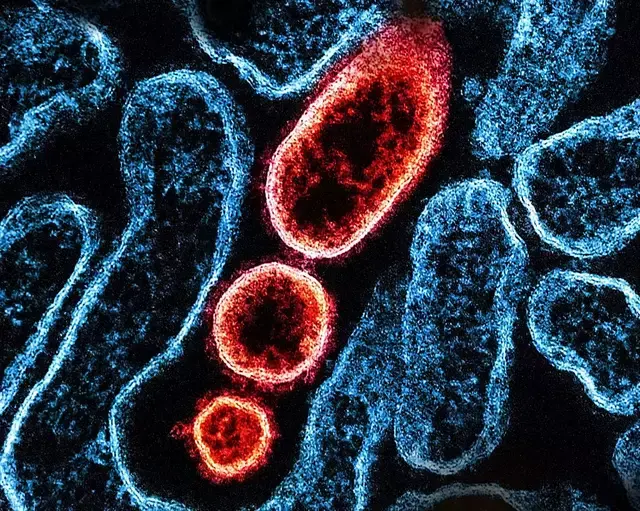
Could Nipah become the next Covid?
Despite these figures, experts stress that Nipah is very unlikely to cause a Covid-style global pandemic.
Dr. Emily Gurley, a professor of epidemiology at Johns Hopkins University and a member of the World Health Organization’s Nipah Virus Taskforce, says the virus is not easily transmissible.
Based on data from past outbreaks, each infected person passes the virus to an average of just 0.3 other people. In most cases, infected individuals do not transmit the virus to anyone else.
How transmission compares to Covid-19
This is a crucial difference from Covid-19. For comparison, estimates from health authorities suggest coronavirus had an average transmission rate close to or above one, allowing outbreaks to grow rapidly.
Dr. Gurley explains that while occasional clusters can occur when one person infects several others, these situations typically resolve on their own rather than expanding into sustained outbreaks.
“That’s what we’ve always seen with Nipah,” she notes. “The outbreak eventually ends.”
Why airports are still taking precautions
Health officials say airport screening measures are a precaution rather than a signal of imminent global risk. These steps are designed to identify potential cases early and prevent wider spread, particularly given the virus’s severity.
Experts emphasize that vigilance is important, especially in healthcare settings and regions where human-to-human transmission has occurred before.
A virus to watch, not panic over
Dr. Gurley adds that the situation would only change if the virus evolved to become significantly more transmissible. At present, there is no evidence that this has happened.
For now, specialists say Nipah remains a serious but contained threat — one that requires monitoring, not fear.
Health Disclaimer
This article is for informational purposes only and is not intended as medical advice. Always consult qualified healthcare professionals or official health authorities for guidance on infectious diseases or symptoms.
Featured Image Credit: Suvarnabhumi Airport/Facebook
Topics: Health, World News, India