For years, contact lenses were part of Katie Carrington’s everyday routine. They were convenient, familiar, and easy to forget about once they were in.
That routine nearly cost her eyesight. A mistake she now openly calls “stupid” left her in unbearable pain and temporarily blind in one eye, with doctors unsure if her vision would ever return.
Her story is now prompting renewed warnings about how easily contact lenses can become dangerous when they are misused.
Switching from glasses to lenses
Carrington, a nurse from Essex in the UK, was first prescribed glasses as a teenager. Like many young people, she disliked wearing them and switched to daily disposable contact lenses at 17.
She says lenses felt practical, especially when she was busy or active. Not worrying about broken or misplaced glasses made everyday life simpler.
At first, she followed the guidance she was given. Over time, that changed.
A habit that slowly escalated
Carrington admits she began leaving her lenses in overnight after parties or late shifts. Initially, it felt harmless.
Gradually, one night became several. Eventually, she was wearing daily disposable lenses for days or even weeks at a time.
She has since reflected that convenience became her justification. She hated waking up unable to see clearly and convinced herself she could manage the discomfort.
Ignoring warning signs
Dryness and irritation became normal. Rather than seeing them as warning signs, she waited until her eyes felt extremely uncomfortable before replacing the lenses.
Looking back, she says she didn’t fully understand the risks of extended wear. Because nothing serious happened at first, she assumed it never would.
That false sense of safety lasted for years.
When the pain began
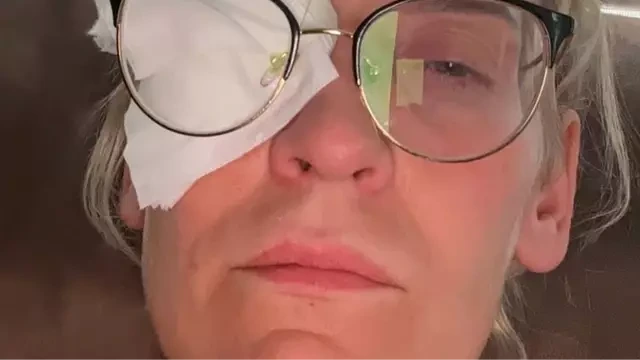
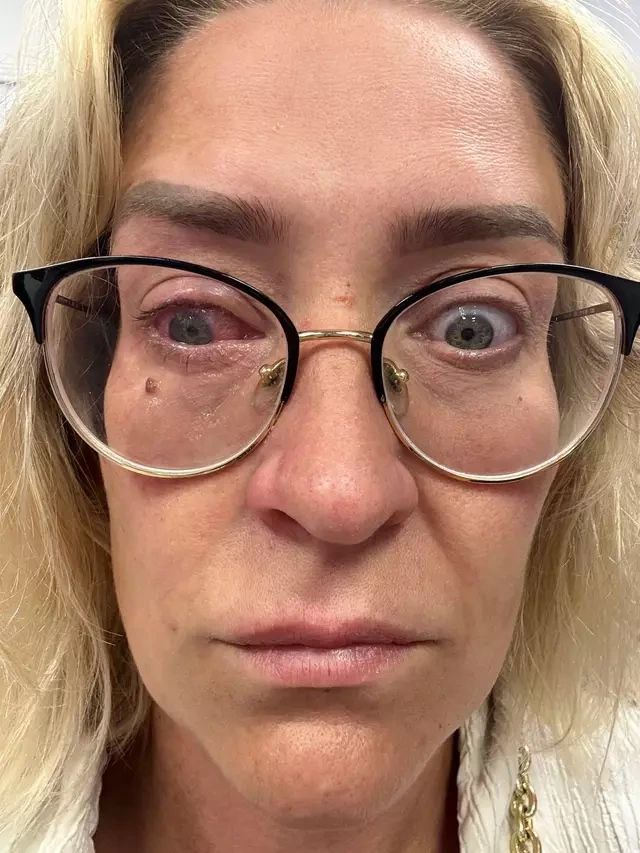
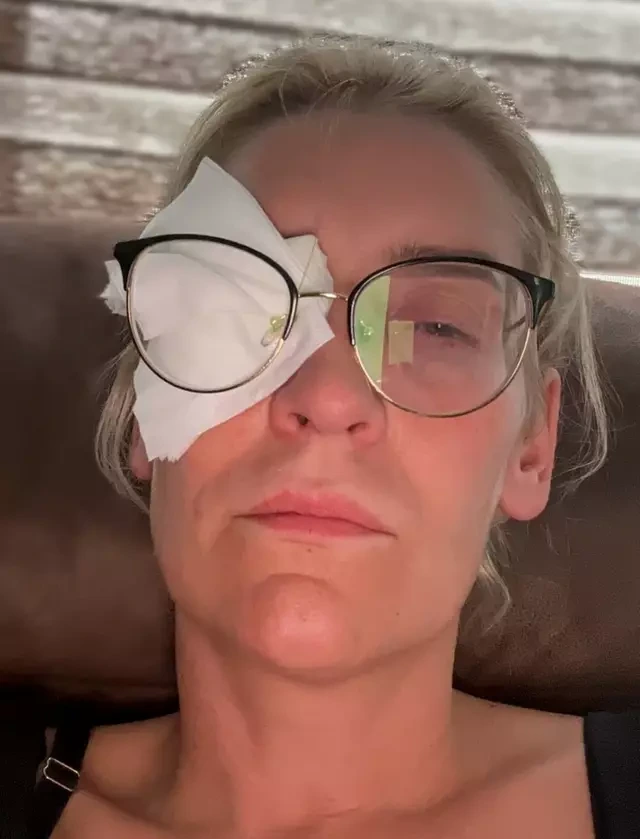
In August 2025, everything changed. Carrington woke up one morning with intense pain and streaming eyes.
By the following day, the pain had become unbearable. She could no longer see out of her right eye.
She later described the pain as worse than childbirth, a comparison that underscored just how severe the situation had become.
Fear of permanent vision loss
Doctors were initially unsure whether her sight would return. For Carrington, the uncertainty was devastating.
She worried about losing her independence and about not being able to properly care for her children. Everyday tasks suddenly felt overwhelming.
Even simple actions, like preparing food or making a bottle, became difficult when her depth perception was affected.
A slow and fortunate recovery
Over time, Carrington’s vision did return. She describes the recovery as a relief she will never forget.
However, the experience changed her relationship with contact lenses permanently. She has since stopped wearing them altogether.
While she takes responsibility for her actions, she says she underestimated how serious the consequences could be.
Why misuse can be dangerous
Eye health specialists warn that contact lenses restrict oxygen to the eye. Wearing them for longer than recommended increases the risk of infection, inflammation, and corneal damage.
Daily disposable lenses are designed for single use. Reusing them, especially overnight, can allow bacteria to build up and cause serious complications.
According to the NHS, improper contact lens use is a common cause of preventable eye injuries.
A warning she hopes others hear
Carrington now urges contact lens wearers to read guidance carefully and to take irritation seriously.
She says she believed serious harm would never happen to her because she had “got away with it” for so long. That belief, she admits, was her biggest mistake.
Her message is simple: contact lenses are medical devices, not cosmetic accessories, and they deserve the same care and caution as any other treatment.
Health Disclaimer
This article is for informational purposes only and is not intended as medical advice. Always consult a qualified healthcare professional before making any changes to your health, diet, or treatment.
Featured Image Credit: SWNS
Topics: News, Health, Mental Health, UK News