Expert Explains 3 Reasons You Shouldn’t Take Mounjaro’s “Golden Dose”

If you’ve spent any time in weight-loss jab communities online, you’ve probably seen it mentioned: the “golden dose.”

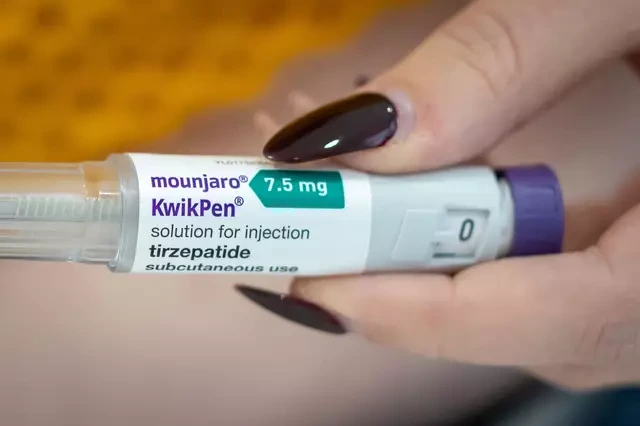
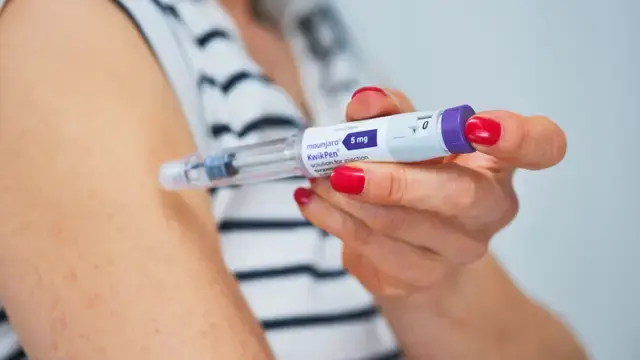
The idea is simple. People notice there’s still liquid left in a Mounjaro pen after the fourth injection, and some try to use it as an extra bonus shot.

Here’s the problem: experts say that leftover liquid is not an extra dose. It’s overfill, and using it can create avoidable risks.

What people mean by the “golden dose”

Mounjaro (tirzepatide) is a prescription injection used for specific medical indications, and many people now associate it with weight-loss support under clinical guidance.

Each pen is designed to deliver four set doses. The device also includes a small amount of extra liquid. Manufacturers typically build in overfill so the pen can reliably deliver full, accurate doses each time.

That leftover liquid may look like “one more,” but it isn’t measured as a safe or consistent fifth dose.
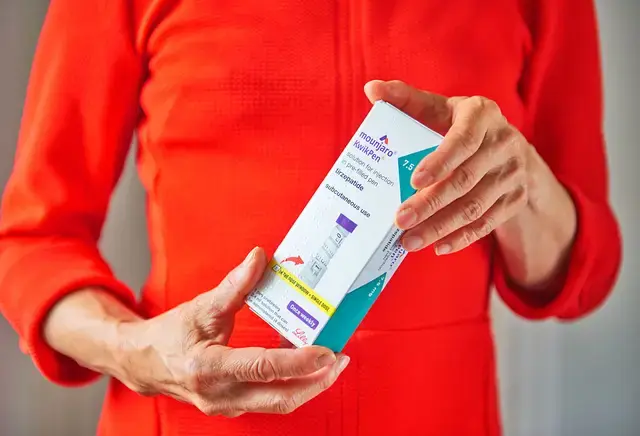
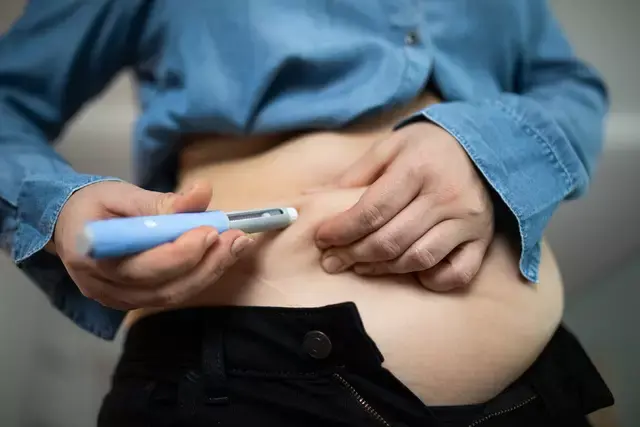
Some people are using Mounjaro's 'golden dose.
Some people are using Mounjaro’s ‘golden dose’ (Peter Dazeley/Getty Images)

Reason 1: You can accidentally underdose and stall progress

When someone tries to stretch a pen, the first risk is surprisingly the opposite of what they expect.

If you start “saving” or pulling medication differently, you can end up taking less than your prescribed amount across multiple weeks. That matters because these treatments rely on steady dosing schedules to maintain predictable effects on appetite and blood sugar regulation.

People often blame the medication when results slow down. But inconsistent dosing can also explain why hunger cues return earlier than expected, or why progress feels uneven.
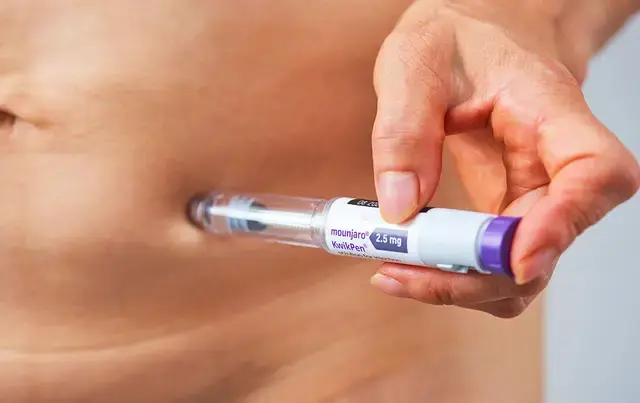
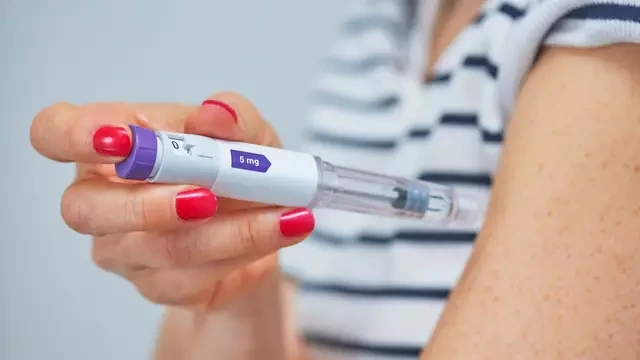
Using the 'golden dose' could lead to you underdosing.
Using the ‘golden dose’ could lead to you underdosing (Peter Dazeley via Getty Images)

Reason 2: You can accidentally overdose and feel very unwell

Some people see the extra liquid as a clever workaround, especially when access or cost feels stressful.

But pens are not designed for precision outside their intended use. When you attempt to extract leftover medication, you don’t know exactly how much you’re drawing up.

Taking more than prescribed can increase the chance of intense side effects. With GLP-1-related medications, that can include severe nausea, vomiting, diarrhea, and dehydration. In rare cases, serious complications can occur, and clinicians take those risks seriously.

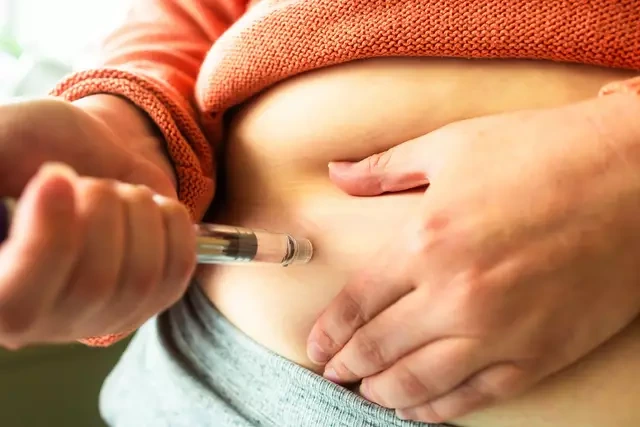
Overdosing can trigger severe nausea and vomiting.
Overdosing can trigger severe nausea and vomiting (Getty Stock Image)

Reason 3: You may raise infection risk by using a pen outside its design

There’s also a practical safety issue that gets overlooked in social posts: sterility and storage.

Once you start using a pen in ways it wasn’t designed for, you increase the chance of contamination. That may raise the risk of injection-site irritation or infection.

Medication stability can also become an issue if a pen has been stored incorrectly or used beyond the recommended time window after first use. If the product degrades, it may become less effective, even if it looks normal.

If you notice redness, swelling, warmth, drainage at the injection site, fever, or you feel generally unwell after an injection, you should treat it as a reason to seek medical advice promptly.

Why “leftover” doesn’t mean “extra”

It’s easy to assume that if liquid remains, it must be usable. But device overfill exists to ensure accuracy, not to provide a hidden fifth dose.

That’s why the safest approach is also the simplest: use the pen exactly as directed and follow the dosing plan your clinician set for you.
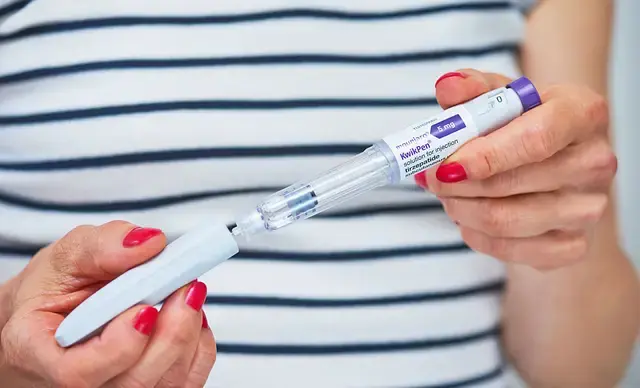
It's important you ensure your pen is sterile and that the medication's still in date.
It’s important you ensure your pen is sterile and that the medication’s still in date (Getty Stock Image)

What to do if you’re worried your dose isn’t working

If you feel hungrier again, your weight loss slows, or side effects feel unmanageable, the answer usually isn’t to improvise with your pen.

A qualified healthcare professional can assess whether your dose needs adjustment, whether side effects require a slower increase, or whether something else is affecting your results. Organizations like the NHS, CDC, and Mayo Clinic consistently emphasize medication safety, correct use, and clinician oversight when it comes to prescription treatments.

Featured Image Credit: Peter Dazeley/Getty Images
Topics: MounjaroHealthNews

What Happens in Your First 4 Weeks on Weight-Loss Injections

Weight-loss injections have gone from “something celebrities do” to something everyday people ask their doctors about.

But the first month can feel confusing. Some people expect instant results. Others worry the moment they feel nauseous that something is wrong.

Here’s what experts say you may experience in the first four weeks, and why the early phase is often more about adjustment than dramatic change.

Why the first month feels different for everyone

Medications such as Wegovy and Ozempic contain semaglutide, which works by mimicking a hormone involved in appetite and blood sugar regulation. That’s why changes often start in your gut and your hunger cues before you see big changes on the scale.

Your dose also usually increases gradually over time. So “week one” is not the same experience as later months on a higher dose.

Weight loss injections are increasingly becoming more accessible.
Weight loss injections are increasingly becoming more accessible (Getty Stock Photo)

Week 1: Your body starts adjusting

In the first several days, some people notice appetite changes quickly. Meals may feel heavier, and it may become easier to stop eating sooner than usual.

Side effects can also show up early. Nausea, vomiting, diarrhea, constipation, stomach discomfort, headache, and fatigue are commonly reported with semaglutide-based treatments.

Not everyone gets side effects, and intensity varies. For some, it’s mild and short-lived. For others, it can affect routine for a few days.

Experts urge patients using weight-loss injections to stay hydrated.
Experts urge patients using weight-loss injections to stay hydrated (Getty Stock Photo)

Week 2: Side effects may begin to settle

By week two, many people find their body starts to adapt. If you had nausea or digestive upset at the start, it may lessen as you learn what foods and meal sizes feel best for you.

This can also be the stage where patterns become clear. Some people realize they feel worse after large meals, greasy food, or eating too fast. Others notice they’re simply less interested in snacking.

If symptoms feel persistent or severe, that’s usually a sign to check in with a clinician, because dosing schedules and tolerability matter.

Week 3: Appetite signals often change more noticeably

Around the third week, some people describe a more consistent shift in hunger.

You may feel full sooner, think about food less often, or find it easier to stick to smaller portions. Semaglutide is associated with appetite reduction and changes in digestion that can make fullness last longer.

This is also where expectations can get tricky. Feeling less hungry does not automatically guarantee balanced nutrition. Even if you’re eating less, your food choices still matter for energy, protein intake, and overall wellbeing.

Regular exercise can support a weight-loss journey.
Regular exercise can support a weight-loss journey (Getty Stock Photo)

Week 4: Early progress can appear, but it’s not just the scale

By week four, some people see early weight changes. Others don’t see much movement yet, especially if side effects limited activity or if the dose is still low.

What’s often overlooked is that these medications are also studied for broader health effects. Wegovy, for example, is indicated for chronic weight management in certain patients and has evidence tied to cardiometabolic outcomes in specific groups.

If your prescriber is tracking metrics like blood pressure, blood sugar, or cholesterol, this is when “non-scale wins” may start to show up for some people—though changes can take longer and depend heavily on your starting point and overall health.

Why prices and access are part of the conversation now

Access has been a major barrier, and pricing shifts have kept the conversation in the spotlight.

In November 2025, Novo Nordisk announced it was lowering the self-pay price for Wegovy and most doses of Ozempic in the U.S. from $499 to $349 per month, alongside a limited-time introductory offer for new self-pay patients.

Even with changing costs, experts continue to stress that these medications work best when they’re part of a clinician-supervised plan, not a shortcut.

Featured Image Credit: Getty Images

Topics: HealthOzempicWeight lossMounjaro

Experts Warn of Risks Linked to the Mounjaro Golden Dose

What Could Happen If You Take the Mounjaro “Golden Dose,” Experts Warn

Weight-loss medications have reshaped how people manage diabetes and obesity. But alongside their popularity, new and risky trends are emerging online. One of the most talked-about is the so-called “golden dose” of Mounjaro — and medical experts say it’s something users should avoid.

Mounjaro, also known as tirzepatide, is prescribed in carefully measured weekly doses. Yet some users are attempting to extract leftover medication from injector pens, believing it offers an extra boost. Doctors warn that this practice may come with serious consequences.

What Is Mounjaro and How Is It Meant to Work?

Mounjaro is a prescription medication approved to help manage blood sugar in people with type 2 diabetes. It belongs to a class of drugs known as GLP-1 and GIP receptor agonists.

These medications work by regulating appetite, slowing digestion, and improving insulin response. When taken as prescribed, they can help patients feel fuller for longer and maintain better metabolic control.

Because of these effects, Mounjaro has also gained attention among people seeking weight loss, though it is not approved for everyone and must be used under medical supervision.

Experts have issued a warning about the 'golden dose.
Experts have issued a warning about the ‘golden dose’ (Getty Stock Images)

The Rise of the “Golden Dose” Trend

The “golden dose” refers to the small amount of liquid some users claim remains in a Mounjaro pen after the four intended weekly injections.

On social media, some individuals suggest drawing out this leftover medication with a syringe to create an unofficial fifth dose. The motivation is often cost-related or driven by the belief that more medication leads to faster results.

Health professionals say this assumption is dangerous.

Why Doctors Say Extra Doses Are Risky

Medical experts stress that Mounjaro dosing is carefully calibrated for safety. Taking more than prescribed can overwhelm the body’s ability to tolerate the medication.

Reported side effects of excessive dosing may include severe nausea, vomiting, diarrhea, and dehydration. These symptoms can escalate quickly, especially in people who are already sensitive to GLP-1 medications.

In rarer cases, experts say overdosing may increase the risk of serious complications such as inflammation of the pancreas, a condition that often requires urgent medical care.

Infection and Contamination Concerns

There is another risk that has nothing to do with dosage levels. Attempting to extract medication from a pen that is not designed for reuse may introduce bacteria.

Manufacturers warn that breaking into injection pens is not sterile. This can increase the risk of skin infections, abscesses, and other complications at the injection site.

If an infection spreads, it may lead to severe outcomes that require hospitalization.

What the Manufacturer Says

The maker of Mounjaro has stated that its injection pens are designed to deliver a fixed amount of medication over a 28-day period. Any remaining liquid is intended for priming the device, not for additional dosing.

According to the company, once four doses are delivered or 30 days have passed, the pen should be safely discarded. Attempting to extract leftover medication goes against official guidance and safety testing.

The 'golden dose' is not recommended.
The ‘golden dose’ is not recommended (Matthew Horwood/Getty Images)

Why More Is Not Better With GLP-1 Drugs

One of the biggest misconceptions around weight-loss medications is that higher doses automatically produce better results. Experts say that’s not how these drugs work.

Higher-than-recommended doses do not guarantee faster or greater weight loss. Instead, they increase the likelihood of adverse effects, which may force patients to stop treatment altogether.

What’s often overlooked is that consistency, not excess, is what makes these medications effective when medically appropriate.

A Growing Call for Caution

Healthcare providers are increasingly urging patients to follow prescriptions exactly as written. They also encourage open conversations with clinicians about side effects, costs, and expectations.

If a medication feels ineffective or difficult to tolerate, experts say adjustments should always be made by a qualified professional — not through online hacks.

This article is for informational purposes only and is not intended as medical advice. Always consult a qualified healthcare professional before making any changes to your health, diet, or treatment.

Featured Image Credit: Getty Stock Images

Topics: MounjaroWeight lossHealth