New York Woman Sues Pfizer Over Depo-Provera After Brain Tumor Diagnosis at 30

Woman Sues Birth Control Company After Discovering ‘Lime-Sized’ Brain Tumor at 30

A Long Island mom says her life changed in an instant when doctors found a brain tumor “the size of a lime.” Now, she’s taking her fight to court.

Elizabeth Fleurisma has filed a lawsuit against Pfizer, alleging an injectable birth control she used for years did not adequately warn about a possible increased risk of certain tumors.

The case is one of many lawsuits that have been filed in recent months, with plaintiffs making similar claims about the same product.

A diagnosis that reshaped her daily life

Fleurisma says she was 30 when she learned she had a large brain tumor. She later underwent an extensive surgery that lasted around 16 hours, followed by weeks of radiation therapy.

Doctors removed much of the tumor, but Fleurisma says a portion remains lodged in her skull.

In interviews reported by US outlets, she described ongoing challenges after treatment, including struggling with speech and feeling disoriented in familiar environments.

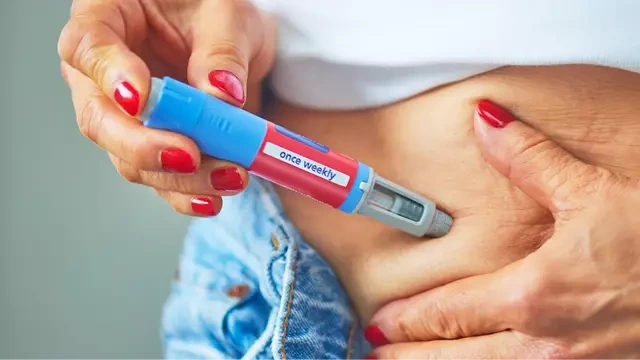
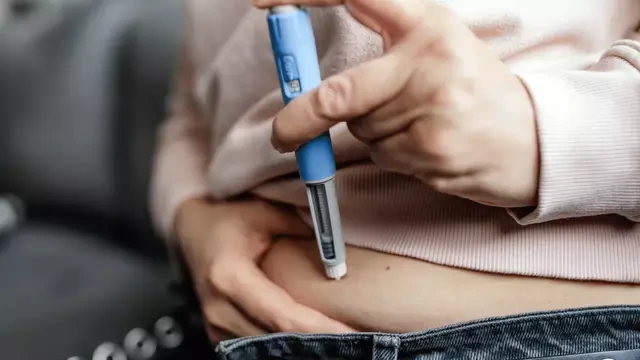
The birth control is taken every three months via injection.
The birth control is taken every three months via injection (James Wakibia/SOPA Images/LightRocket via Getty Images)

What the lawsuit claims

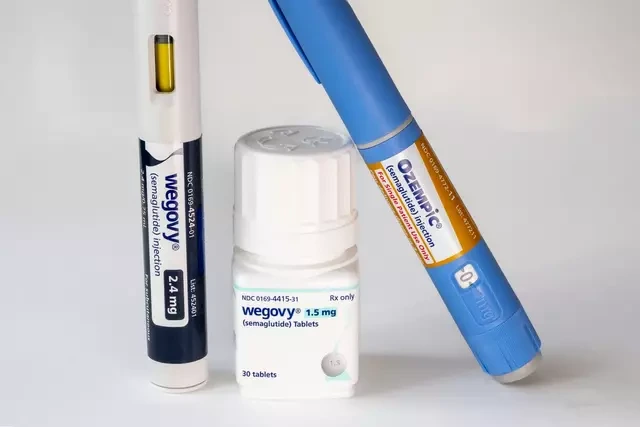
The lawsuit targets Pfizer, the manufacturer of Depo-Provera, an injectable contraceptive typically administered every three months.

Fleurisma alleges the product’s labeling and warnings did not clearly communicate what she believes is a heightened risk of developing intracranial meningiomas. These tumors often grow slowly and form in the meninges, the membranes that cover the brain and spinal cord.

The filings also claim Pfizer knew—or should have known—about the alleged risk and failed to provide stronger warnings earlier. As with any civil complaint, these claims represent the plaintiff’s allegations and have not been proven in court.

Why she chose an injection over the pill

Fleurisma’s account describes a common decision many patients face: convenience and consistency.

After giving birth as a teenager, she reportedly looked for a birth control option that did not require remembering a daily pill. Depo-Provera, given by injection, became her choice.

According to the report, she used the injections for about eight years.

How Depo-Provera works

Depo-Provera contains progestin, a synthetic form of a hormone involved in the reproductive cycle.

Progestin-based contraceptives can prevent pregnancy by stopping ovulation and making it harder for sperm to reach an egg. Injectable birth control appeals to some people because it offers longer coverage between doses than daily tablets.

The lawsuit’s focus is not on whether the drug prevents pregnancy, but on whether the product label sufficiently warned users about a specific safety concern.
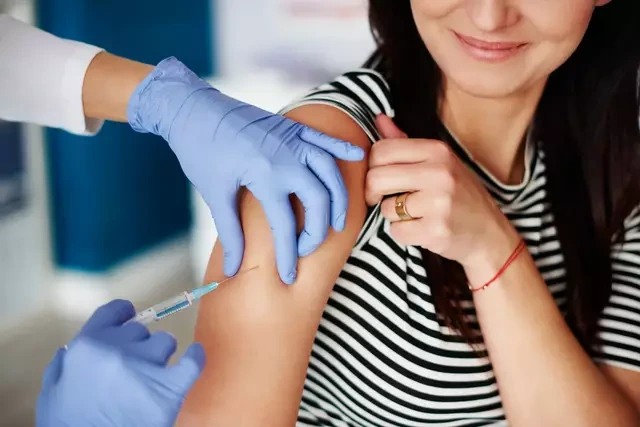
Fleurisma claims she still suffers issues as a result of the tumor.
Fleurisma claims she still suffers issues as a result of the tumor (Getty Stock Image)

Pfizer’s response and what comes next

Pfizer has pushed back against the accusations, saying it believes the claims lack merit and that it will defend itself in court.

In statements reported by the media, the company has said it stands behind the safety and efficacy of Depo-Provera and notes it has been used by millions of women worldwide.

The wider legal fight includes far more than Fleurisma’s case. Reports have described hundreds—potentially more—lawsuits connected to the same alleged issue, with plaintiffs seeking damages and stronger accountability around risk communication.

What this story signals for patients and regulators

Cases like this often reignite a broader conversation about how drug risks get communicated to the public, especially when a product has remained on the market for decades.

In situations involving widely used medicines, health agencies like the FDA play a major role in evaluating safety data and updating labeling when new evidence emerges. Media reports have also referenced a Reuters account that Pfizer sought additional warning language after reviewing research in 2023 that suggested a potential link.

For now, the core issue will play out in court: what the available evidence shows, what Pfizer knew and when, and whether warnings met legal and regulatory standards.

Featured Image Credit: Getty Stock Image
Topics: CancerHealthNewsUS News

Popular Weight Loss Drugs Linked to Rise in Rare ‘Sailor’ Disease

Weight loss injections have transformed how millions manage their weight.
But doctors and nutrition experts are now raising concerns about an unexpected side effect tied to these drugs: the return of scurvy.

Once associated with pirates and long sea voyages, the vitamin deficiency disease is reportedly appearing more often in modern clinical settings.

A centuries-old condition making a comeback

Scurvy is caused by a lack of vitamin C in the diet.
Historically, it affected sailors who went months without fresh fruit or vegetables.

Now, experts suggest appetite suppression linked to GLP-1 weight loss drugs may be creating similar nutritional gaps in some users.

Weight loss drugs are now widely used

GLP-1 medications such as Wegovy and Mounjaro have become increasingly common across the UK, US, and Australia.
Data from University College London suggests around 1.6 million people in Britain used weight loss injections in the past year alone.

A separate poll from KFF found that one in eight adults had used GLP-1 drugs for weight loss at the time of the survey.

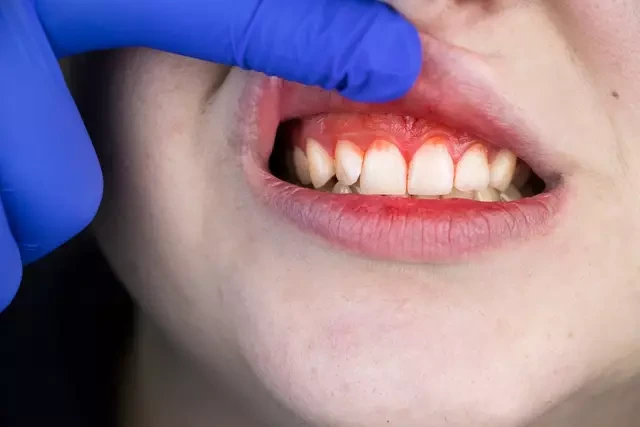
Scurvy can cause someone's gums to bleed.
Scurvy can cause someone’s gums to bleed (Getty Stock)

How scurvy develops

According to the Mayo Clinic, scurvy occurs when people do not consume enough vitamin C over time.
The vitamin plays a vital role in tissue repair, immune health, and collagen production.

Without it, the body begins to break down in noticeable ways.

Symptoms doctors are seeing

Early signs of scurvy can be subtle, which makes it easy to miss.
Common symptoms include fatigue, anemia, and joint pain.

As the condition progresses, patients may experience bleeding gums, loose teeth, rough skin, swelling in the legs, and wounds that reopen after healing.

In severe cases, untreated scurvy can become life-threatening.

Why GLP-1 drugs may increase the risk

Nutrition experts say the issue is not the medication itself, but what happens to eating habits afterward.
GLP-1 drugs are designed to reduce appetite, which can lead to people eating far less overall.

Professor Clare Collins, a nutrition and dietetics specialist at Newcastle University, reviewed dozens of weight loss drug trials and found that dietary intake was rarely tracked.
She warned that weight loss does not automatically mean someone is well-nourished.

“What’s often overlooked is how these medications change what people actually eat,” she said in interviews with Australian media.
“If fruit and vegetables drop out of the diet, deficiencies can follow.”

A high-profile example

Singer Robbie Williams publicly revealed last year that he was diagnosed with scurvy while taking weight loss medication.
He said his appetite dropped so dramatically that he stopped eating balanced meals altogether.

The musician described the condition as “a 17th-century pirate disease,” highlighting how unexpected the diagnosis felt.

Health data suggests Williams is not alone.
UK figures indicate scurvy cases have increased by around 25 percent since 2007.

Robbie Williams revealed last year that he'd been diagnosed with scurvy.
Robbie Williams revealed last year that he’d been diagnosed with scurvy (Jim Dyson/Getty Images)

What drug makers are saying

Pharmaceutical companies stress that scurvy is not a listed side effect of GLP-1 medications.
A spokesperson for Novo Nordisk said patient safety remains a priority and encouraged anyone experiencing adverse effects to report them through official monitoring systems.

The company also noted that Ozempic is approved for type 2 diabetes, not weight loss.

Eli Lilly, which manufactures Mounjaro, has also been contacted for comment.

Why nutrition still matters

Experts agree the findings do not mean people should automatically stop taking prescribed medication.
Instead, they emphasize the importance of monitoring diet quality alongside weight loss.

That matters because reduced calorie intake without proper planning can quietly lead to deficiencies, even in people who appear otherwise healthy.

Health Disclaimer
This article is for informational purposes only and is not intended as medical advice. Always consult a qualified healthcare professional before making any changes to your health, diet, or treatment.

Featured Image Credit: Getty Stock

Topics: HealthNewsWeight loss

Doctor Warns After Nipah Virus Outbreak Prompts Airport Measures

A virus with no known cure has triggered renewed concern among health officials, prompting several countries to introduce airport screening measures reminiscent of the early days of COVID-19.

The focus is the Nipah virus, a rare but serious illness with a high fatality rate, which has recently been confirmed in parts of eastern India. While outbreaks of Nipah are not new, experts say early containment remains the most effective defense.

New cases raise regional concerns

India has confirmed at least two recent Nipah virus cases in West Bengal, involving healthcare workers who were on duty together in late December. Both individuals became unwell shortly afterward and were admitted to intensive care in early January.

Health authorities say the cases highlight the ongoing risk of transmission in clinical settings, particularly when staff are in close contact with infected patients.

Why Nipah virus alarms health officials

The Nipah virus is known for its severity. Experts estimate its fatality rate can range between 40 and 75 percent, depending on the outbreak and the level of medical support available.

There is currently no specific cure for the virus, and treatment focuses on supportive care and managing complications. That reality makes prevention and early detection especially critical.

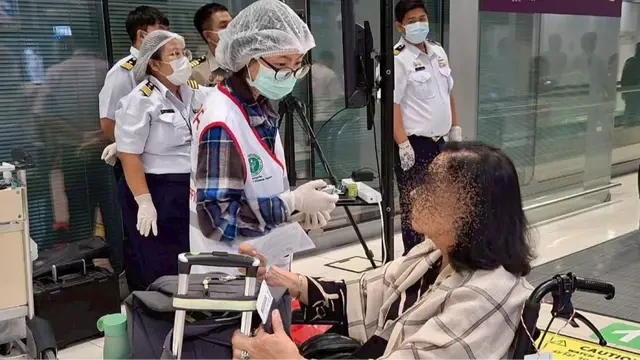
Suvarnabhumi Airport has stepped up health checks similar to COVID-19 measures.
Suvarnabhumi Airport has stepped up health checks similar to COVID-19 measures (Facebook/Suvarnabhumi Airport)

Airports introduce precautionary measures

In response to the latest cases, Nepal, Thailand, and Taiwan have introduced enhanced airport health procedures for passengers arriving from areas considered at risk.

These steps mirror measures used during the COVID-19 pandemic and may include health declaration forms, fever screening, isolation rooms, and requirements for medical certificates for passengers showing symptoms.

Officials stress these actions are precautionary, aimed at reducing the likelihood of wider transmission rather than signaling an immediate global threat.

A doctor’s warning from outbreak experience

Dr. Seethu Ponnu Thampi, a community medicine specialist with the Kerala Health Service Department, has spoken publicly about the importance of rapid containment. She was a medical student during a major Nipah outbreak in Kozhikode in 2018.

According to Dr. Thampi, stopping transmission early is essential. That includes preventing the virus from spreading from animals to humans and limiting human-to-human transmission once cases are identified.

How the virus spreads

Nipah is classified as a zoonotic disease, meaning it spreads from animals to humans. Fruit bats are considered the primary natural hosts, and human infection can occur through contact with contaminated food or surfaces.

Human-to-human transmission is also possible, particularly in healthcare environments. Doctors say this places healthcare workers at higher risk, especially during procedures that generate aerosols.

Dr Seethu Ponnu Thampi has dealt with an outbreak of the virus before.
Dr Seethu Ponnu Thampi has dealt with an outbreak of the virus before (NIH-NIAID/Image Point FR/BSIP/Universal Images Group via Getty Images)

Advice for high-risk areas

Experts recommend increased caution in regions experiencing outbreaks. This includes avoiding areas with dense vegetation where fruit bats are known to gather and being vigilant about hygiene and food safety.

Healthcare professionals working in affected areas are advised to use appropriate protective equipment and follow strict infection control protocols.

Why early action matters

Specialists emphasize that Nipah outbreaks tend to spread less during the virus’s incubation period, offering a narrow but valuable window for containment.

Airport screening, public awareness, and rapid isolation of suspected cases are seen as key tools to prevent wider transmission. While these measures may feel familiar after COVID-19, health officials say they are necessary when dealing with high-risk viruses.

A cautious but measured response

Public health experts stress that while Nipah is dangerous, it is not easily transmissible on the same scale as respiratory viruses like COVID-19.

Still, the combination of high fatality rates and the absence of a cure means even small outbreaks are taken seriously. For now, authorities say vigilance — not panic — is the most appropriate response.

Health Disclaimer

This article is for informational purposes only and is not intended as medical advice. Always consult a qualified healthcare professional or official health authority for guidance on infectious diseases or symptoms.

Featured Image Credit: Facebook/SuvarnabhumiAirport

Topics: NewsWorld NewsCoronavirus

Experts Warn One Embarrassing Symptom Could Require Immediate Medical Advice

Many serious health conditions don’t begin with dramatic warning signs.
Instead, they often start quietly, with symptoms that are easy to dismiss or feel awkward to talk about.

Health experts are now urging people not to ignore one such symptom, warning that it could be an early sign of cervical cancer and should prompt immediate medical advice.

Why subtle symptoms are easy to miss

Cancer symptoms frequently overlap with those of far less serious conditions.
That overlap is one reason early diagnosis can be challenging.

Doctors say knowing what to look out for — and acting when something feels different — can make a critical difference, especially with cancers that may show few signs at first.

The specific cancer experts are highlighting

In this case, specialists are focusing on cervical cancer.
It typically develops in one of two forms: squamous cell carcinoma or adenocarcinoma.

Both types can progress silently in their earliest stages, which is why awareness of unusual symptoms is so important.

Spotting cancer early is hugely important.
Spotting cancer early is hugely important (Alvaro Medina Jurado/Getty)

The ‘embarrassing’ symptom doctors say not to ignore

According to guidance referenced by leading medical authorities, one key symptom is unusual vaginal discharge.

This may appear watery or bloody, feel heavier than normal, or have an unpleasant odor.
While many people feel uncomfortable raising this with a doctor, experts stress that it should never be ignored.

Healthcare professionals emphasize that embarrassment should not delay medical advice, particularly when the symptom is persistent or unexplained.

Why early action matters

Cervical cancer outcomes are strongly linked to how early the disease is detected.
When identified sooner, treatment options are often more effective and less invasive.

Doctors note that early-stage cervical cancer may cause few or no symptoms at all, making any noticeable change — even a subtle one — worth checking.

Other symptoms that may appear

While unusual discharge is a key warning sign, it is not the only one experts associate with cervical cancer.

Other symptoms can include vaginal bleeding after sex, bleeding between periods, or bleeding after menopause.
Some people may also experience pelvic pain, pain during sex, or periods that become heavier, longer, or more painful than usual.

Why change is the biggest red flag

Many of these symptoms can also be linked to non-cancerous conditions such as fibroids or endometriosis.
What matters most, doctors say, is change.

A sudden shift from what is normal for you — especially without a clear explanation — should always be discussed with a healthcare professional.

Spotting cancer early could save your life.
Spotting cancer early could save your life (Pramote Polyamate/Getty)

The role of HPV in cervical cancer

Experts also highlight the link between cervical cancer and the human papillomavirus (HPV).
There are more than 100 types of HPV, and around a dozen are known to increase cancer risk.

Monitoring sexual health, attending routine screenings, and receiving the HPV vaccine where eligible are all considered key tools in reducing risk.

A message doctors want people to hear

Medical professionals stress that no symptom is “too embarrassing” to raise.
They also remind patients that doctors are trained to handle sensitive issues professionally and without judgment.

Spotting potential problems early could be life-saving — and that makes speaking up worth it.

Health Disclaimer

This article is for informational purposes only and is not intended as medical advice. Always consult a qualified healthcare professional if you notice new, unusual, or persistent symptoms.

Featured Image Credit: Getty Stock Images

Topics: CancerHealthNewsWorld NewsCommunity

    Woman Went Blind After a Mistake She Made While Using Contact Lenses

    For years, contact lenses were part of Katie Carrington’s everyday routine. They were convenient, familiar, and easy to forget about once they were in.

    That routine nearly cost her eyesight. A mistake she now openly calls “stupid” left her in unbearable pain and temporarily blind in one eye, with doctors unsure if her vision would ever return.

    Her story is now prompting renewed warnings about how easily contact lenses can become dangerous when they are misused.

    Switching from glasses to lenses

    Carrington, a nurse from Essex in the UK, was first prescribed glasses as a teenager. Like many young people, she disliked wearing them and switched to daily disposable contact lenses at 17.

    She says lenses felt practical, especially when she was busy or active. Not worrying about broken or misplaced glasses made everyday life simpler.

    At first, she followed the guidance she was given. Over time, that changed.

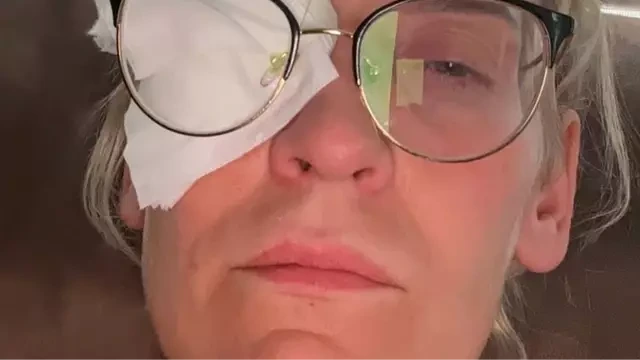
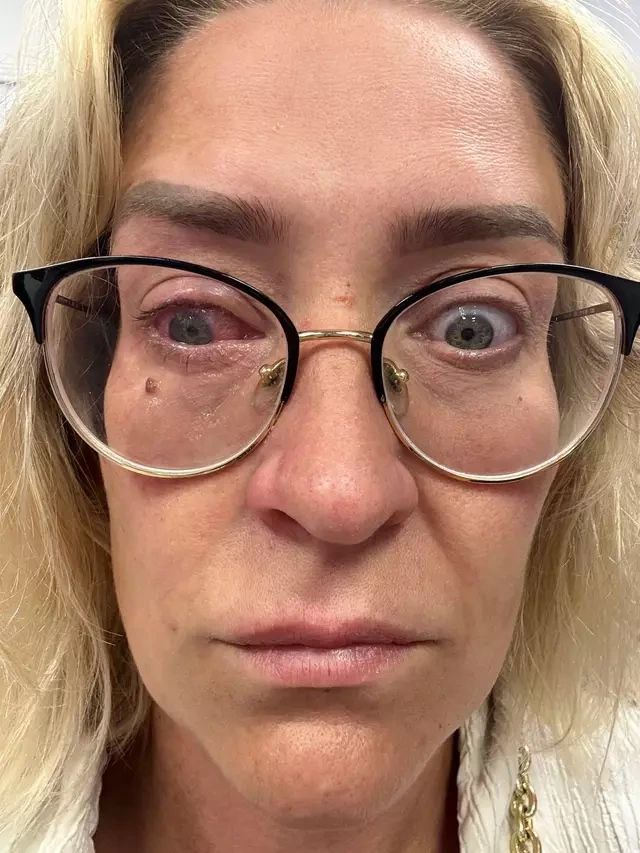
    Katie lost the vision in her right eye.
    Katie lost the vision in her right eye (SWNS)
    A habit that slowly escalated

    Carrington admits she began leaving her lenses in overnight after parties or late shifts. Initially, it felt harmless.

    Gradually, one night became several. Eventually, she was wearing daily disposable lenses for days or even weeks at a time.

    She has since reflected that convenience became her justification. She hated waking up unable to see clearly and convinced herself she could manage the discomfort.

    Ignoring warning signs

    Dryness and irritation became normal. Rather than seeing them as warning signs, she waited until her eyes felt extremely uncomfortable before replacing the lenses.

    Looking back, she says she didn’t fully understand the risks of extended wear. Because nothing serious happened at first, she assumed it never would.

    That false sense of safety lasted for years.

    When the pain began

    In August 2025, everything changed. Carrington woke up one morning with intense pain and streaming eyes.

    By the following day, the pain had become unbearable. She could no longer see out of her right eye.

    She later described the pain as worse than childbirth, a comparison that underscored just how severe the situation had become.

    Fear of permanent vision loss

    Doctors were initially unsure whether her sight would return. For Carrington, the uncertainty was devastating.

    She worried about losing her independence and about not being able to properly care for her children. Everyday tasks suddenly felt overwhelming.

    Even simple actions, like preparing food or making a bottle, became difficult when her depth perception was affected.

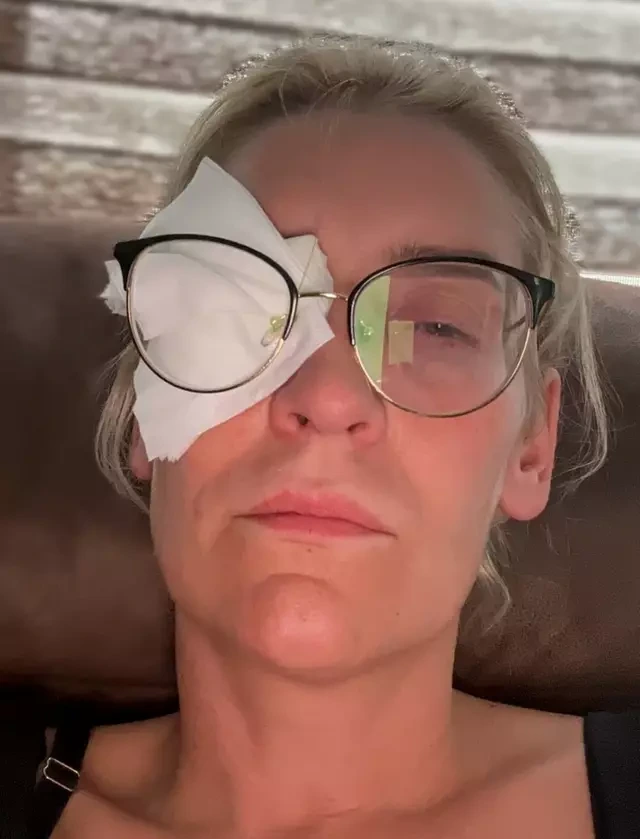
    Fortunately, Katie's vision returned and she is now a lot more careful.
    Fortunately, Katie’s vision returned and she is now a lot more careful (SWNS)
    A slow and fortunate recovery

    Over time, Carrington’s vision did return. She describes the recovery as a relief she will never forget.

    However, the experience changed her relationship with contact lenses permanently. She has since stopped wearing them altogether.

    While she takes responsibility for her actions, she says she underestimated how serious the consequences could be.

    Why misuse can be dangerous

    Eye health specialists warn that contact lenses restrict oxygen to the eye. Wearing them for longer than recommended increases the risk of infection, inflammation, and corneal damage.

    Daily disposable lenses are designed for single use. Reusing them, especially overnight, can allow bacteria to build up and cause serious complications.

    According to the NHS, improper contact lens use is a common cause of preventable eye injuries.

    A warning she hopes others hear

    Carrington now urges contact lens wearers to read guidance carefully and to take irritation seriously.

    She says she believed serious harm would never happen to her because she had “got away with it” for so long. That belief, she admits, was her biggest mistake.

    Her message is simple: contact lenses are medical devices, not cosmetic accessories, and they deserve the same care and caution as any other treatment.


    Health Disclaimer
    This article is for informational purposes only and is not intended as medical advice. Always consult a qualified healthcare professional before making any changes to your health, diet, or treatment.

    Featured Image Credit: SWNS

    Topics: NewsHealthMental HealthUK News

    Doctors Issue Warning Over Rare Vision Side Effect Linked to Weight-Loss Drugs

    Weight-loss medications have become a defining health trend of recent years. For many patients, they have offered new hope in managing diabetes and reducing weight when other approaches failed.

    But doctors are now urging caution after highlighting a rare side effect that could have lasting consequences for a small number of users.

    The warning focuses on medications containing semaglutide, a drug widely prescribed for type 2 diabetes and, in some cases, weight management. While the overall risk remains low, health authorities say awareness is essential.

    Semaglutides have exploded in popularity.
    Semaglutides have exploded in popularity (Michael Siluk/UCG/Universal Images Group via Getty Images)

    Why these medications became so popular

    Semaglutide-based treatments gained attention for their ability to regulate blood sugar while also reducing appetite. That combination has made them appealing to patients struggling with weight-related health issues.

    Although some versions are approved specifically for weight loss, others are officially intended for diabetes treatment. Their off-label use, however, has surged as patients report significant reductions in appetite and body weight.

    Experts stress that these medications can be effective when used appropriately and under medical supervision. Still, like all prescription drugs, they are not without potential side effects.

    The vision issue doctors are monitoring

    The latest concern involves a condition known as non-arteritic anterior ischemic optic neuropathy, or NAION. It is a disorder that affects blood flow to the optic nerve and can result in sudden vision changes.

    Health authorities describe the symptoms as sudden, painless vision loss, often affecting one eye. Some people experience blurred or cloudy vision that can worsen quickly.

    A recent study examining patients in several US states found that those affected tended to be older adults, with women representing a slightly higher proportion of cases. In one reported instance, a patient experienced vision problems shortly after beginning treatment.

    How common is the risk?

    Doctors emphasize that this side effect is rare. Current estimates suggest that roughly one in 10,000 patients taking semaglutide may experience this type of vision complication.

    That low figure is important context, according to clinicians. Millions of people worldwide use these medications without developing serious eye problems.

    The drugs do have some side effects.
    The drugs do have some side effects (Michael Siluk/UCG/Universal Images Group via Getty Images)

    However, specialists note that even rare risks deserve attention when the potential impact involves permanent vision changes.

    What health authorities are advising

    Regulatory agencies in the UK and elsewhere have advised patients to remain alert to any sudden changes in eyesight while taking semaglutide-based drugs.

    They recommend seeking urgent medical care if vision becomes impaired rapidly or if any unusual visual symptoms appear. Early assessment can help determine whether the symptoms are related to the medication or another underlying condition.

    Healthcare professionals are also being encouraged to discuss this potential risk with patients, particularly those who may already have risk factors for eye disease.

    Balancing benefits and risks

    Drug manufacturers maintain that the overall benefit-risk profile of semaglutide remains favorable. They point to extensive safety monitoring and ongoing collaboration with regulators worldwide.

    Medical experts generally agree that the medications continue to play an important role in diabetes care and, for some patients, weight management. The key issue is informed use rather than alarm.

    What matters most, doctors say, is that patients do not stop or start medications without professional guidance. Sudden changes in treatment can carry their own risks.

    What patients should keep in mind

    For most people, semaglutide treatments are well tolerated and effective. The newly highlighted side effect does not change that reality for the vast majority of users.

    Still, awareness can make a difference. Recognizing early warning signs and maintaining regular medical check-ups allows potential problems to be addressed promptly.

    As with any medication, informed decisions, open conversations with healthcare providers, and careful monitoring remain the foundation of safe and effective treatment.

    Health Disclaimer
    This article is for informational purposes only and is not intended as medical advice. Always consult a qualified healthcare professional before making any changes to your health, diet, or treatment.

    Featured Image Credit: Peter Dazeley/Getty

    Topics: NewsUS NewsHealthUK NewsOzempicDrugs

    Concerns Raised After Elderly Woman Allegedly Euthanized Against Her Wishes

    Assisted dying laws are designed to protect patient choice at the end of life. But a recent case in Canada is prompting renewed scrutiny after questions emerged over whether those safeguards were properly followed.

    An elderly woman, referred to in official documents as Mrs B, was euthanized under Canada’s Medical Assistance in Dying program, despite reportedly expressing a desire to withdraw her request.

    The case has now been reviewed by Ontario’s Medical Assistance in Dying Death Review Committee, with its findings raising serious concerns about consent, timing, and external pressures.

    What MAiD allows in Canada

    Medical Assistance in Dying, known as MAiD, is legal in Canada when strict legal and medical criteria are met. Patients must be capable of making the decision independently and must provide informed consent without coercion.

    Eligibility also requires a serious and incurable illness, advanced decline, and enduring suffering that cannot be relieved under conditions acceptable to the patient.

    These safeguards exist to ensure that the decision is voluntary and carefully considered.

    Assisted dying is legal in Canada if certain requirements are met.
    Assisted dying is legal in Canada if certain requirements are met (mapo/Getty)
    The circumstances behind the request

    According to the coroner’s report, Mrs B was in her 80s and experiencing complications following coronary bypass surgery. Her health reportedly declined both physically and functionally.

    At one point, she asked her family to explore end-of-life options, including assisted dying. Her spouse then contacted MAiD services, and an initial assessment took place shortly afterward.

    However, the review later noted that her position appeared to change.

    A reported change of mind

    The report states that Mrs B communicated a wish to withdraw her MAiD request, citing personal and religious beliefs. She reportedly expressed a preference for palliative or hospice care instead.

    At the same time, her spouse was described as experiencing caregiver burnout. A request for hospice placement was made but was ultimately denied.

    That denial would later become a key point of concern for reviewers.

    Disagreements among assessors

    A second MAiD assessor was consulted after the initial evaluation. That practitioner reportedly objected to proceeding, raising concerns about urgency, inconsistent end-of-life goals, and the potential for undue influence.

    The assessor requested to meet Mrs B again the following day. That request was declined, and instead, a third assessor was assigned.

    Following that assessment, MAiD was carried out after Mrs B was said to have consented once more.

    A report claimed that the woman had withdrawn her consent.
    A report claimed that the woman had withdrawn her consent (Cavan Images/Raffi Maghdessian/Getty)
    Why the case raised red flags

    Members of the Death Review Committee later questioned whether the process moved too quickly. The short timeline, combined with changing consent and the denial of hospice care, was seen as troubling.

    The report highlighted concerns about caregiver burden and whether it may have influenced decision-making. Reviewers also noted that the spouse played a central role in navigating access to MAiD.

    Additionally, assessments were reportedly conducted with the spouse present, raising questions about whether the process was fully patient-directed.

    A broader debate around safeguards

    Assisted dying remains a deeply divisive issue. Supporters argue it offers dignity and relief from suffering at the end of life. Critics warn that vulnerable patients may feel pressure, especially when care options are limited.

    Cases like this have intensified debate over whether existing safeguards are sufficient, particularly when healthcare systems face strain and families are overwhelmed.

    Canadian authorities continue to review MAiD practices, with oversight bodies stressing the importance of consistency, documentation, and independent consent.

    Why this case matters

    The coroner’s findings do not overturn the legality of MAiD, but they do highlight how fragile consent can become near the end of life.

    For many observers, the case underscores the need for clear documentation, access to palliative care, and careful separation between patient wishes and caregiver stress.

    As assisted dying laws evolve, cases like Mrs B’s are likely to remain central to discussions about how best to protect autonomy while safeguarding the most vulnerable.


    Health Disclaimer
    This article is for informational purposes only and is not intended as medical advice. Always consult a qualified healthcare professional before making any changes to your health, diet, or treatment.

    Featured Image Credit: Getty Stock Image
    Topics: CanadaHealthNews