Mom’s ‘Flu’ Was Sepsis: Urgent Warning After Near-Fatal Infection

As winter illnesses surge, many people expect to battle coughs, fevers, and fatigue. For one mother in Wales, those familiar symptoms nearly proved fatal.

A 27-year-old woman has now shared her story to warn others after what she believed was the flu turned out to be sepsis, a life-threatening medical emergency that left her unresponsive in bed.

A Routine Illness That Was Anything But

Roberta Alisauskaite, a mother of two from Carmarthenshire in South West Wales, said she first began feeling unwell in October. Like many during colder months, she assumed she had picked up a seasonal bug from work.

At first, the symptoms felt manageable. She described feeling under the weather, run down, and feverish — all signs many associate with flu or a heavy cold.

What she didn’t realize was that her body was already fighting something far more dangerous.

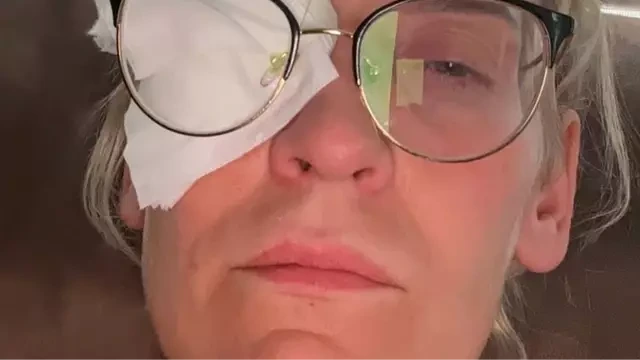
Roberta Alisauskaite detailed how awful she felt in a video.
Roberta Alisauskaite detailed how awful she felt in a video (Kennedy)

Symptoms Escalated Rapidly

Alongside flu-like symptoms, Alisauskaite was dealing with an abscess linked to one of her wisdom teeth and had been taking antibiotics. Within days, her condition deteriorated quickly.

She developed violent shaking, an uncontrollable fever, and a worsening cough. Her temperature spiked, her breathing became labored, and confusion began to set in.

Despite turning on the heating and wrapping herself in blankets, she said her body alternated between intense chills and overwhelming heat.

Found Unresponsive by Her Children

The situation reached a terrifying turning point when Alisauskaite was found upstairs by her two young children. She was unresponsive and struggling to speak clearly.

She later explained that she was slurring her words and could no longer make sense, a moment she says deeply traumatized her children.

An ambulance was called, and she was rushed to hospital, where doctors carried out urgent tests.

The Real Diagnosis: Sepsis

Instead of flu, doctors determined she was suffering from sepsis, a condition caused by the body’s extreme response to an infection.

Consultants told her she had gone into septic shock, a severe and potentially fatal stage where blood pressure drops dangerously low and organs can begin to fail.

According to health authorities, sepsis requires immediate treatment. Delays can dramatically increase the risk of long-term complications or death.

The mother-of-two wants people to be aware of what sepsis symptoms can look like.
The mother-of-two wants people to be aware of what sepsis symptoms can look like (Kennedy)

Why Sepsis Is Often Missed

Medical experts say sepsis is frequently mistaken for flu, especially in its early stages. Fever, muscle pain, chills, and exhaustion can feel deceptively familiar.

What’s often overlooked is how quickly symptoms escalate. Confusion, breathlessness, uncontrollable shivering, and changes in speech are red flags that demand urgent medical attention.

The NHS and other health bodies stress that there is no single symptom of sepsis, making awareness crucial.

A Message for Other Parents and Families

Now recovering, Alisauskaite has spoken publicly to encourage others not to ignore worsening symptoms.

She says she never imagined a common illness could leave her fighting for her life, and she urges parents in particular to trust their instincts if something feels wrong.

Her story comes as winter illnesses place extra pressure on healthcare systems, a time when serious infections can easily be misjudged.

When to Seek Urgent Help

Health experts advise seeking immediate medical care if flu-like symptoms are accompanied by confusion, difficulty breathing, persistent vomiting, extreme shivering, or sudden changes in consciousness.

Early treatment saves lives. Acting quickly can mean the difference between recovery and devastating outcomes.

Featured Image Credit: Kennedy
Topics: HealthNewsParentingUK News

Woman Went Blind After a Mistake She Made While Using Contact Lenses

For years, contact lenses were part of Katie Carrington’s everyday routine. They were convenient, familiar, and easy to forget about once they were in.

That routine nearly cost her eyesight. A mistake she now openly calls “stupid” left her in unbearable pain and temporarily blind in one eye, with doctors unsure if her vision would ever return.

Her story is now prompting renewed warnings about how easily contact lenses can become dangerous when they are misused.

Switching from glasses to lenses

Carrington, a nurse from Essex in the UK, was first prescribed glasses as a teenager. Like many young people, she disliked wearing them and switched to daily disposable contact lenses at 17.

She says lenses felt practical, especially when she was busy or active. Not worrying about broken or misplaced glasses made everyday life simpler.

At first, she followed the guidance she was given. Over time, that changed.

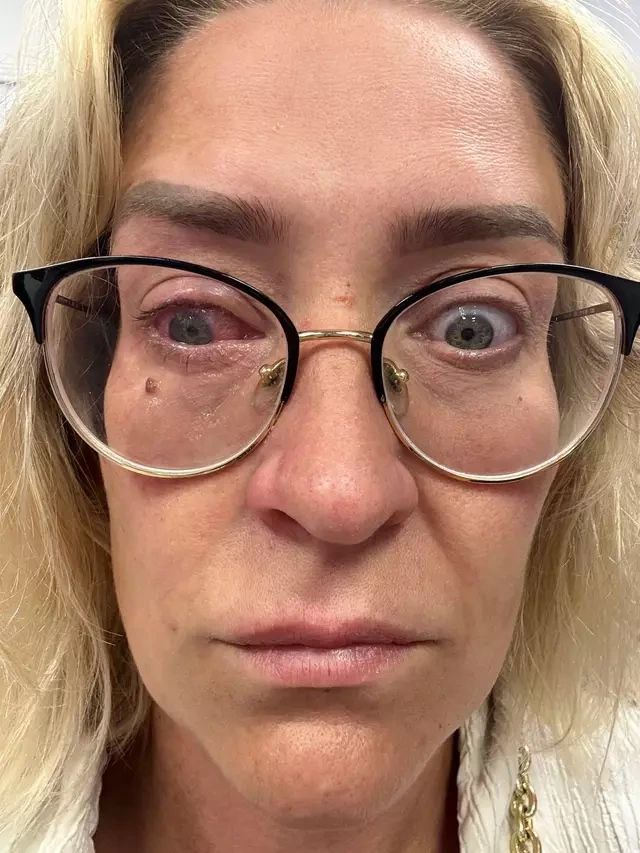
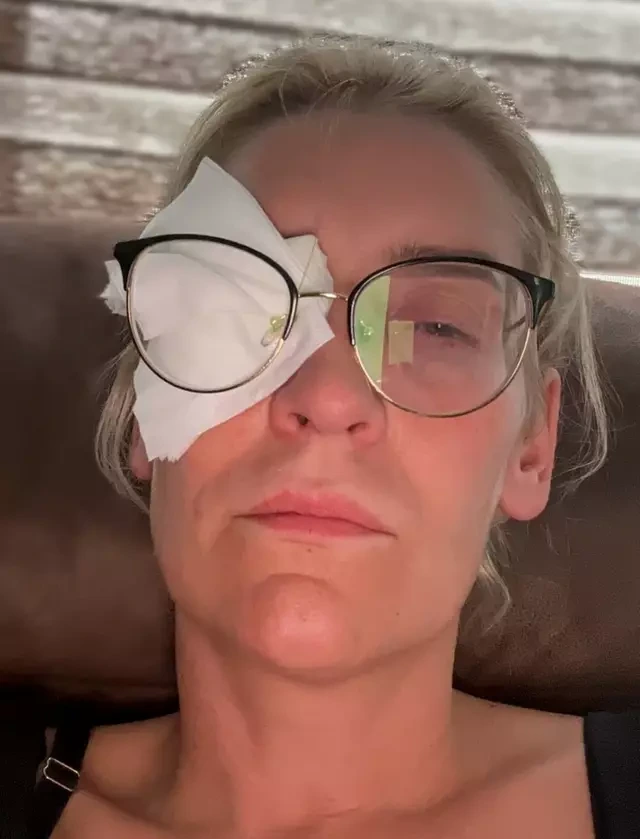
Katie lost the vision in her right eye.
Katie lost the vision in her right eye (SWNS)
A habit that slowly escalated

Carrington admits she began leaving her lenses in overnight after parties or late shifts. Initially, it felt harmless.

Gradually, one night became several. Eventually, she was wearing daily disposable lenses for days or even weeks at a time.

She has since reflected that convenience became her justification. She hated waking up unable to see clearly and convinced herself she could manage the discomfort.

Ignoring warning signs

Dryness and irritation became normal. Rather than seeing them as warning signs, she waited until her eyes felt extremely uncomfortable before replacing the lenses.

Looking back, she says she didn’t fully understand the risks of extended wear. Because nothing serious happened at first, she assumed it never would.

That false sense of safety lasted for years.

When the pain began

In August 2025, everything changed. Carrington woke up one morning with intense pain and streaming eyes.

By the following day, the pain had become unbearable. She could no longer see out of her right eye.

She later described the pain as worse than childbirth, a comparison that underscored just how severe the situation had become.

Fear of permanent vision loss

Doctors were initially unsure whether her sight would return. For Carrington, the uncertainty was devastating.

She worried about losing her independence and about not being able to properly care for her children. Everyday tasks suddenly felt overwhelming.

Even simple actions, like preparing food or making a bottle, became difficult when her depth perception was affected.

Fortunately, Katie's vision returned and she is now a lot more careful.
Fortunately, Katie’s vision returned and she is now a lot more careful (SWNS)
A slow and fortunate recovery

Over time, Carrington’s vision did return. She describes the recovery as a relief she will never forget.

However, the experience changed her relationship with contact lenses permanently. She has since stopped wearing them altogether.

While she takes responsibility for her actions, she says she underestimated how serious the consequences could be.

Why misuse can be dangerous

Eye health specialists warn that contact lenses restrict oxygen to the eye. Wearing them for longer than recommended increases the risk of infection, inflammation, and corneal damage.

Daily disposable lenses are designed for single use. Reusing them, especially overnight, can allow bacteria to build up and cause serious complications.

According to the NHS, improper contact lens use is a common cause of preventable eye injuries.

A warning she hopes others hear

Carrington now urges contact lens wearers to read guidance carefully and to take irritation seriously.

She says she believed serious harm would never happen to her because she had “got away with it” for so long. That belief, she admits, was her biggest mistake.

Her message is simple: contact lenses are medical devices, not cosmetic accessories, and they deserve the same care and caution as any other treatment.


Health Disclaimer
This article is for informational purposes only and is not intended as medical advice. Always consult a qualified healthcare professional before making any changes to your health, diet, or treatment.

Featured Image Credit: SWNS

Topics: NewsHealthMental HealthUK News

Doctors Issue Warning Over Rare Vision Side Effect Linked to Weight-Loss Drugs

Weight-loss medications have become a defining health trend of recent years. For many patients, they have offered new hope in managing diabetes and reducing weight when other approaches failed.

But doctors are now urging caution after highlighting a rare side effect that could have lasting consequences for a small number of users.

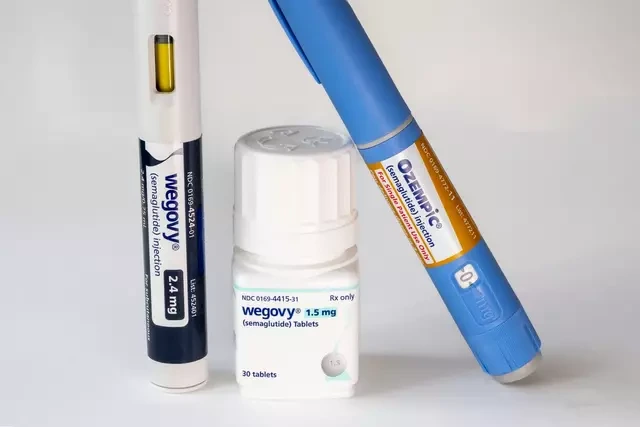
The warning focuses on medications containing semaglutide, a drug widely prescribed for type 2 diabetes and, in some cases, weight management. While the overall risk remains low, health authorities say awareness is essential.

Semaglutides have exploded in popularity.
Semaglutides have exploded in popularity (Michael Siluk/UCG/Universal Images Group via Getty Images)

Why these medications became so popular

Semaglutide-based treatments gained attention for their ability to regulate blood sugar while also reducing appetite. That combination has made them appealing to patients struggling with weight-related health issues.

Although some versions are approved specifically for weight loss, others are officially intended for diabetes treatment. Their off-label use, however, has surged as patients report significant reductions in appetite and body weight.

Experts stress that these medications can be effective when used appropriately and under medical supervision. Still, like all prescription drugs, they are not without potential side effects.

The vision issue doctors are monitoring

The latest concern involves a condition known as non-arteritic anterior ischemic optic neuropathy, or NAION. It is a disorder that affects blood flow to the optic nerve and can result in sudden vision changes.

Health authorities describe the symptoms as sudden, painless vision loss, often affecting one eye. Some people experience blurred or cloudy vision that can worsen quickly.

A recent study examining patients in several US states found that those affected tended to be older adults, with women representing a slightly higher proportion of cases. In one reported instance, a patient experienced vision problems shortly after beginning treatment.

How common is the risk?

Doctors emphasize that this side effect is rare. Current estimates suggest that roughly one in 10,000 patients taking semaglutide may experience this type of vision complication.

That low figure is important context, according to clinicians. Millions of people worldwide use these medications without developing serious eye problems.

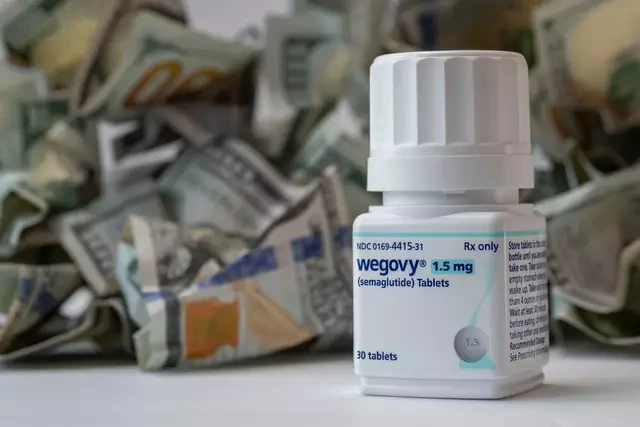
The drugs do have some side effects.
The drugs do have some side effects (Michael Siluk/UCG/Universal Images Group via Getty Images)

However, specialists note that even rare risks deserve attention when the potential impact involves permanent vision changes.

What health authorities are advising

Regulatory agencies in the UK and elsewhere have advised patients to remain alert to any sudden changes in eyesight while taking semaglutide-based drugs.

They recommend seeking urgent medical care if vision becomes impaired rapidly or if any unusual visual symptoms appear. Early assessment can help determine whether the symptoms are related to the medication or another underlying condition.

Healthcare professionals are also being encouraged to discuss this potential risk with patients, particularly those who may already have risk factors for eye disease.

Balancing benefits and risks

Drug manufacturers maintain that the overall benefit-risk profile of semaglutide remains favorable. They point to extensive safety monitoring and ongoing collaboration with regulators worldwide.

Medical experts generally agree that the medications continue to play an important role in diabetes care and, for some patients, weight management. The key issue is informed use rather than alarm.

What matters most, doctors say, is that patients do not stop or start medications without professional guidance. Sudden changes in treatment can carry their own risks.

What patients should keep in mind

For most people, semaglutide treatments are well tolerated and effective. The newly highlighted side effect does not change that reality for the vast majority of users.

Still, awareness can make a difference. Recognizing early warning signs and maintaining regular medical check-ups allows potential problems to be addressed promptly.

As with any medication, informed decisions, open conversations with healthcare providers, and careful monitoring remain the foundation of safe and effective treatment.

Health Disclaimer
This article is for informational purposes only and is not intended as medical advice. Always consult a qualified healthcare professional before making any changes to your health, diet, or treatment.

Featured Image Credit: Peter Dazeley/Getty

Topics: NewsUS NewsHealthUK NewsOzempicDrugs