What Happens in Your First 4 Weeks on Weight-Loss Injections

Weight-loss injections have gone from “something celebrities do” to something everyday people ask their doctors about.

But the first month can feel confusing. Some people expect instant results. Others worry the moment they feel nauseous that something is wrong.

Here’s what experts say you may experience in the first four weeks, and why the early phase is often more about adjustment than dramatic change.

Why the first month feels different for everyone

Medications such as Wegovy and Ozempic contain semaglutide, which works by mimicking a hormone involved in appetite and blood sugar regulation. That’s why changes often start in your gut and your hunger cues before you see big changes on the scale.

Your dose also usually increases gradually over time. So “week one” is not the same experience as later months on a higher dose.

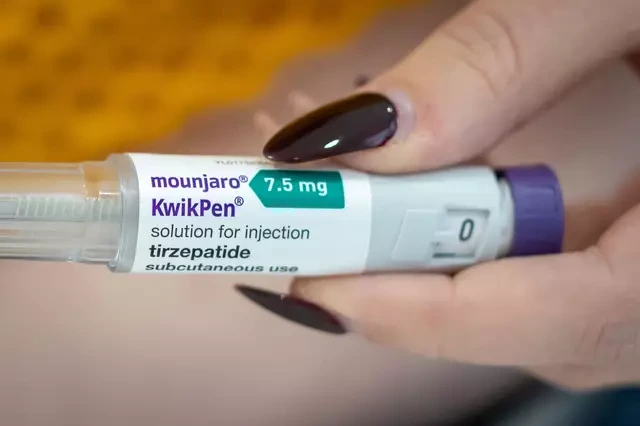
Weight loss injections are increasingly becoming more accessible.
Weight loss injections are increasingly becoming more accessible (Getty Stock Photo)

Week 1: Your body starts adjusting

In the first several days, some people notice appetite changes quickly. Meals may feel heavier, and it may become easier to stop eating sooner than usual.

Side effects can also show up early. Nausea, vomiting, diarrhea, constipation, stomach discomfort, headache, and fatigue are commonly reported with semaglutide-based treatments.

Not everyone gets side effects, and intensity varies. For some, it’s mild and short-lived. For others, it can affect routine for a few days.

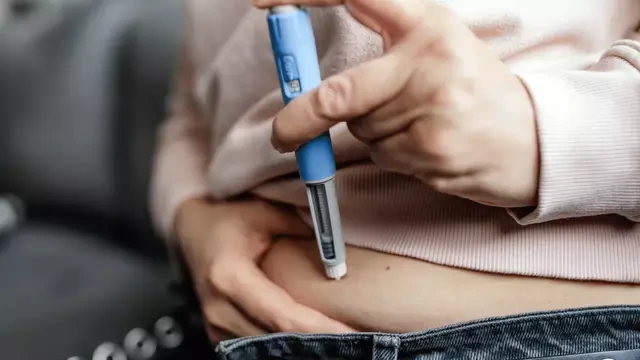
Experts urge patients using weight-loss injections to stay hydrated.
Experts urge patients using weight-loss injections to stay hydrated (Getty Stock Photo)

Week 2: Side effects may begin to settle

By week two, many people find their body starts to adapt. If you had nausea or digestive upset at the start, it may lessen as you learn what foods and meal sizes feel best for you.

This can also be the stage where patterns become clear. Some people realize they feel worse after large meals, greasy food, or eating too fast. Others notice they’re simply less interested in snacking.

If symptoms feel persistent or severe, that’s usually a sign to check in with a clinician, because dosing schedules and tolerability matter.

Week 3: Appetite signals often change more noticeably

Around the third week, some people describe a more consistent shift in hunger.

You may feel full sooner, think about food less often, or find it easier to stick to smaller portions. Semaglutide is associated with appetite reduction and changes in digestion that can make fullness last longer.

This is also where expectations can get tricky. Feeling less hungry does not automatically guarantee balanced nutrition. Even if you’re eating less, your food choices still matter for energy, protein intake, and overall wellbeing.
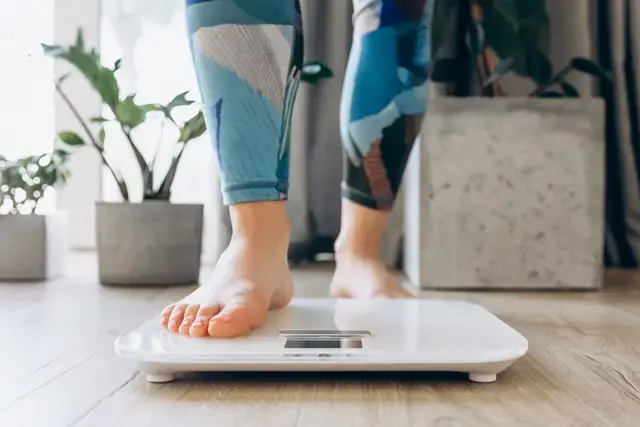
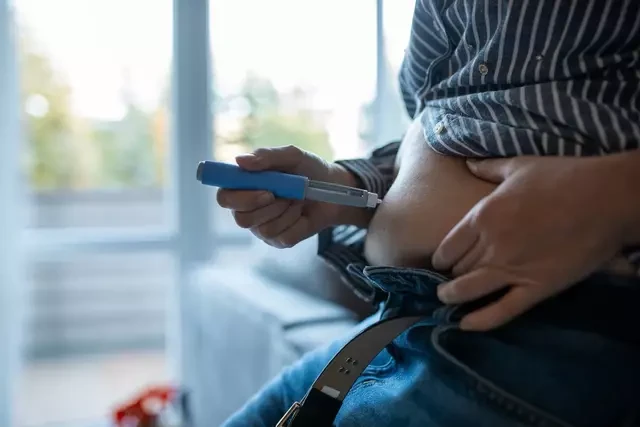
Regular exercise can support a weight-loss journey.
Regular exercise can support a weight-loss journey (Getty Stock Photo)

Week 4: Early progress can appear, but it’s not just the scale

By week four, some people see early weight changes. Others don’t see much movement yet, especially if side effects limited activity or if the dose is still low.

What’s often overlooked is that these medications are also studied for broader health effects. Wegovy, for example, is indicated for chronic weight management in certain patients and has evidence tied to cardiometabolic outcomes in specific groups.

If your prescriber is tracking metrics like blood pressure, blood sugar, or cholesterol, this is when “non-scale wins” may start to show up for some people—though changes can take longer and depend heavily on your starting point and overall health.

Why prices and access are part of the conversation now

Access has been a major barrier, and pricing shifts have kept the conversation in the spotlight.

In November 2025, Novo Nordisk announced it was lowering the self-pay price for Wegovy and most doses of Ozempic in the U.S. from $499 to $349 per month, alongside a limited-time introductory offer for new self-pay patients.

Even with changing costs, experts continue to stress that these medications work best when they’re part of a clinician-supervised plan, not a shortcut.

Featured Image Credit: Getty Images

Topics: HealthOzempicWeight lossMounjaro

Experts Warn of Risks Linked to the Mounjaro Golden Dose

What Could Happen If You Take the Mounjaro “Golden Dose,” Experts Warn

Weight-loss medications have reshaped how people manage diabetes and obesity. But alongside their popularity, new and risky trends are emerging online. One of the most talked-about is the so-called “golden dose” of Mounjaro — and medical experts say it’s something users should avoid.

Mounjaro, also known as tirzepatide, is prescribed in carefully measured weekly doses. Yet some users are attempting to extract leftover medication from injector pens, believing it offers an extra boost. Doctors warn that this practice may come with serious consequences.

What Is Mounjaro and How Is It Meant to Work?

Mounjaro is a prescription medication approved to help manage blood sugar in people with type 2 diabetes. It belongs to a class of drugs known as GLP-1 and GIP receptor agonists.

These medications work by regulating appetite, slowing digestion, and improving insulin response. When taken as prescribed, they can help patients feel fuller for longer and maintain better metabolic control.

Because of these effects, Mounjaro has also gained attention among people seeking weight loss, though it is not approved for everyone and must be used under medical supervision.

Experts have issued a warning about the 'golden dose.
Experts have issued a warning about the ‘golden dose’ (Getty Stock Images)

The Rise of the “Golden Dose” Trend

The “golden dose” refers to the small amount of liquid some users claim remains in a Mounjaro pen after the four intended weekly injections.

On social media, some individuals suggest drawing out this leftover medication with a syringe to create an unofficial fifth dose. The motivation is often cost-related or driven by the belief that more medication leads to faster results.

Health professionals say this assumption is dangerous.

Why Doctors Say Extra Doses Are Risky

Medical experts stress that Mounjaro dosing is carefully calibrated for safety. Taking more than prescribed can overwhelm the body’s ability to tolerate the medication.

Reported side effects of excessive dosing may include severe nausea, vomiting, diarrhea, and dehydration. These symptoms can escalate quickly, especially in people who are already sensitive to GLP-1 medications.

In rarer cases, experts say overdosing may increase the risk of serious complications such as inflammation of the pancreas, a condition that often requires urgent medical care.

Infection and Contamination Concerns

There is another risk that has nothing to do with dosage levels. Attempting to extract medication from a pen that is not designed for reuse may introduce bacteria.

Manufacturers warn that breaking into injection pens is not sterile. This can increase the risk of skin infections, abscesses, and other complications at the injection site.

If an infection spreads, it may lead to severe outcomes that require hospitalization.

What the Manufacturer Says

The maker of Mounjaro has stated that its injection pens are designed to deliver a fixed amount of medication over a 28-day period. Any remaining liquid is intended for priming the device, not for additional dosing.

According to the company, once four doses are delivered or 30 days have passed, the pen should be safely discarded. Attempting to extract leftover medication goes against official guidance and safety testing.

The 'golden dose' is not recommended.
The ‘golden dose’ is not recommended (Matthew Horwood/Getty Images)

Why More Is Not Better With GLP-1 Drugs

One of the biggest misconceptions around weight-loss medications is that higher doses automatically produce better results. Experts say that’s not how these drugs work.

Higher-than-recommended doses do not guarantee faster or greater weight loss. Instead, they increase the likelihood of adverse effects, which may force patients to stop treatment altogether.

What’s often overlooked is that consistency, not excess, is what makes these medications effective when medically appropriate.

A Growing Call for Caution

Healthcare providers are increasingly urging patients to follow prescriptions exactly as written. They also encourage open conversations with clinicians about side effects, costs, and expectations.

If a medication feels ineffective or difficult to tolerate, experts say adjustments should always be made by a qualified professional — not through online hacks.

This article is for informational purposes only and is not intended as medical advice. Always consult a qualified healthcare professional before making any changes to your health, diet, or treatment.

Featured Image Credit: Getty Stock Images

Topics: MounjaroWeight lossHealth

How One Simple Change Helped Someone Lose 130lbs Naturally

Life before the weight loss

With weight-loss injections becoming increasingly common, losing a large amount of weight without medication can feel almost unheard of. But one person says a single, science-backed change helped them shed more than 130lbs—and keep it off.

Their experience offers a reminder that while modern tools can help some people, the foundations of weight loss haven’t changed as much as social media might suggest.

The individual, who shared their story on Reddit, said they began their journey at 27 years old weighing close to 400lbs. They described feeling constantly exhausted, unhappy with their health, and frustrated by repeated failed attempts to lose weight.

Over time, that frustration turned into motivation. Years later, they not only reached a much healthier weight but also became a certified weight management specialist, helping others pursue similar goals without medication.

Lots of people are turning to the fat jabs to lose weight, but the 'natural' way remains free and effective.
Lots of people are turning to the fat jabs to lose weight, but the ‘natural’ way remains free and effective (Getty Stock Image)

The one change that mattered most

Despite all the diet trends and fitness hacks available, the change they credit most is straightforward: consistently eating fewer calories than their body used.

In other words, maintaining a calorie deficit.

“If you’re not in a calorie deficit, you aren’t going to lose weight,” they explained. Understanding how a deficit works—and how to maintain it safely—was the turning point in their transformation.

Why calorie deficit works

A calorie deficit means your body uses more energy than it receives from food. Over time, this forces it to draw on stored energy, including body fat.

Health authorities like the Mayo Clinic note that sustainable weight loss typically depends on long-term energy balance rather than short-term restriction. Extreme dieting may produce rapid results, but it often leads to burnout or weight regain.

What’s often overlooked is that a calorie deficit doesn’t automatically mean eating as little as possible.

Food quality still matters

The Reddit user stressed that not all calorie deficits are equal. Technically, someone could eat only junk food and still lose weight if calories remain low enough—but that approach rarely lasts.

Instead, they removed highly processed snacks and takeaway foods from their home. Cooking simple, nutritious meals helped reduce calorie intake naturally while also improving how they felt day to day.

Over time, their taste preferences changed.

“Junk food became a huge turn off for me,” they said, explaining that the mental pull of unhealthy food faded once it was no longer part of their routine.

Choosing the healthy option and not putting junk in your shopping cart is the best way to stay away from temptation.
Choosing the healthy option and not putting junk in your shopping cart is the best way to stay away from temptation (Getty Stock Image)

The role of exercise

Exercise wasn’t used as punishment or a shortcut. It was a support system.

They combined strength training with cardio, explaining that resistance exercises helped preserve muscle while losing fat. Cardio then supported overall fitness and calorie use.

According to the World Health Organization, strength and aerobic activity together offer broad health benefits, including improved metabolism and long-term weight maintenance.

Why the weight stayed off

Many people lose weight temporarily, only to regain it later. This person believes the reason their results lasted is because habits—not quick fixes—did the heavy lifting.

Removing constant temptation, building routine meals, and reframing food as fuel rather than comfort helped reshape their relationship with eating.

Weight loss, they said, stopped feeling like a battle and became part of daily life.

A reminder about individual paths

This story doesn’t suggest there’s only one “right” way to lose weight. Bodies, health needs, and circumstances vary widely.

But it highlights a principle backed by decades of research: sustainable weight loss usually comes from consistent, manageable changes rather than extreme measures.

For many, that starts with understanding energy balance—and building habits that make healthier choices easier over time.

Health Disclaimer
This article is for informational purposes only and is not intended as medical advice. Always consult a qualified healthcare professional before making any changes to your health, diet, or treatment.

Featured Image Credit: Getty Stock Image

Topics: Weight lossHealthFitnessMounjaroFood and Drink

Medical Expert Warns Belly Fat Isn’t Just Weight Gain

Why belly fat deserves attention

After the festive season, many people notice extra weight around their middle.
For most, it feels like a temporary inconvenience. But doctors say belly fat can mean much more than just a change in appearance.

A growing body of medical evidence suggests that weight carried around the abdomen may be linked to serious health risks that aren’t always visible on the surface.

Weight loss is often framed around aesthetics.
Abs, beach bodies, and clothing sizes dominate the conversation.

But according to Dr Amir Khan, focusing purely on looks misses the real issue.
The goal, he says, should be better health — not chasing an ideal body shape.

Not all fat behaves the same way in the body.
Dr Khan explains there are two main types: subcutaneous fat and visceral fat.

Subcutaneous fat sits just beneath the skin.
It’s the type you can pinch and is generally less harmful.

Visceral fat, however, is stored deeper in the abdomen, wrapped around vital organs such as the liver, pancreas, and intestines.

Losing weight around our abdomen in particular can have huge health benefits.
Losing weight around our abdomen in particular can have huge health benefits (Getty Stock)

Why visceral fat is more dangerous

Visceral fat is strongly linked to metabolic and cardiovascular disease.
Higher levels are associated with type 2 diabetes, high cholesterol, heart disease, and increased inflammation in the body.

What’s often overlooked is that someone can appear slim overall but still carry high levels of visceral fat, particularly around the stomach.

That matters because visceral fat interferes with how the body regulates blood sugar, hormones, and cholesterol.

Dr Khan warns that belly fat can be an external sign of internal stress on the body.
Excess abdominal fat may indicate insulin resistance, fatty liver disease, or elevated cardiovascular risk — even before symptoms appear.

This makes belly fat less about appearance and more about long-term health outcomes.

While visceral fat poses greater risks, it also responds more quickly to lifestyle changes.
Dr Khan notes that this type of fat is metabolised faster than subcutaneous fat.

Because it’s more biologically active, the body can reduce visceral fat relatively quickly through improved movement, nutrition, sleep, and stress management.

What helps reduce abdominal fat

According to guidance from the Cleveland Clinic, reducing visceral fat typically involves a combination of habits rather than a single solution.

Regular physical activity that raises heart rate is key.
Strength training also plays a role by improving muscle mass and metabolic health.

Nutrition matters as well.
Balanced meals, reduced ultra-processed foods, and limiting alcohol intake are all linked to lower abdominal fat levels.

Quality sleep and stress reduction are also important.
Chronic stress raises cortisol levels, which can promote fat storage around the midsection.

Doctors stress that the aim shouldn’t be rapid weight loss or extreme dieting.
Instead, sustainable habits that support overall health tend to deliver the most meaningful results.

What’s often overlooked is that improving metabolic health can happen even without dramatic changes on the scale.

Small reductions in visceral fat can significantly lower disease risk over time.

When to seek medical advice

Carrying belly fat doesn’t automatically mean someone is unhealthy.
But sudden changes in weight distribution, combined with fatigue, blood sugar issues, or a family history of metabolic disease, may be worth discussing with a healthcare professional.

Early awareness allows people to take preventative steps long before serious illness develops.

Health Disclaimer
This article is for informational purposes only and is not intended as medical advice. Always consult a qualified healthcare professional before making any changes to your health, diet, or treatment.

Featured Image Credit: Getty Stock

Topics: HealthInstagramWeight loss

Popular Weight Loss Drugs Linked to Rise in Rare ‘Sailor’ Disease

Weight loss injections have transformed how millions manage their weight.
But doctors and nutrition experts are now raising concerns about an unexpected side effect tied to these drugs: the return of scurvy.

Once associated with pirates and long sea voyages, the vitamin deficiency disease is reportedly appearing more often in modern clinical settings.

A centuries-old condition making a comeback

Scurvy is caused by a lack of vitamin C in the diet.
Historically, it affected sailors who went months without fresh fruit or vegetables.

Now, experts suggest appetite suppression linked to GLP-1 weight loss drugs may be creating similar nutritional gaps in some users.

Weight loss drugs are now widely used

GLP-1 medications such as Wegovy and Mounjaro have become increasingly common across the UK, US, and Australia.
Data from University College London suggests around 1.6 million people in Britain used weight loss injections in the past year alone.

A separate poll from KFF found that one in eight adults had used GLP-1 drugs for weight loss at the time of the survey.

Scurvy can cause someone's gums to bleed.
Scurvy can cause someone’s gums to bleed (Getty Stock)

How scurvy develops

According to the Mayo Clinic, scurvy occurs when people do not consume enough vitamin C over time.
The vitamin plays a vital role in tissue repair, immune health, and collagen production.

Without it, the body begins to break down in noticeable ways.

Symptoms doctors are seeing

Early signs of scurvy can be subtle, which makes it easy to miss.
Common symptoms include fatigue, anemia, and joint pain.

As the condition progresses, patients may experience bleeding gums, loose teeth, rough skin, swelling in the legs, and wounds that reopen after healing.

In severe cases, untreated scurvy can become life-threatening.

Why GLP-1 drugs may increase the risk

Nutrition experts say the issue is not the medication itself, but what happens to eating habits afterward.
GLP-1 drugs are designed to reduce appetite, which can lead to people eating far less overall.

Professor Clare Collins, a nutrition and dietetics specialist at Newcastle University, reviewed dozens of weight loss drug trials and found that dietary intake was rarely tracked.
She warned that weight loss does not automatically mean someone is well-nourished.

“What’s often overlooked is how these medications change what people actually eat,” she said in interviews with Australian media.
“If fruit and vegetables drop out of the diet, deficiencies can follow.”

A high-profile example

Singer Robbie Williams publicly revealed last year that he was diagnosed with scurvy while taking weight loss medication.
He said his appetite dropped so dramatically that he stopped eating balanced meals altogether.

The musician described the condition as “a 17th-century pirate disease,” highlighting how unexpected the diagnosis felt.

Health data suggests Williams is not alone.
UK figures indicate scurvy cases have increased by around 25 percent since 2007.

Robbie Williams revealed last year that he'd been diagnosed with scurvy.
Robbie Williams revealed last year that he’d been diagnosed with scurvy (Jim Dyson/Getty Images)

What drug makers are saying

Pharmaceutical companies stress that scurvy is not a listed side effect of GLP-1 medications.
A spokesperson for Novo Nordisk said patient safety remains a priority and encouraged anyone experiencing adverse effects to report them through official monitoring systems.

The company also noted that Ozempic is approved for type 2 diabetes, not weight loss.

Eli Lilly, which manufactures Mounjaro, has also been contacted for comment.

Why nutrition still matters

Experts agree the findings do not mean people should automatically stop taking prescribed medication.
Instead, they emphasize the importance of monitoring diet quality alongside weight loss.

That matters because reduced calorie intake without proper planning can quietly lead to deficiencies, even in people who appear otherwise healthy.

Health Disclaimer
This article is for informational purposes only and is not intended as medical advice. Always consult a qualified healthcare professional before making any changes to your health, diet, or treatment.

Featured Image Credit: Getty Stock

Topics: HealthNewsWeight loss

Health Officials Warn Weight Loss Jabs May Be Linked to Rare but Serious Side Effect

Weight loss injections have become widely used in recent years, helping millions of people manage diabetes and reduce body weight. For most patients, health authorities say these medications are safe and effective when prescribed correctly.

But UK officials are now urging caution after updating safety information to highlight a rare side effect that, in severe cases, can be life-threatening.

The warning focuses on GLP-1 medications, a class of drugs that includes treatments commonly used for weight management and type 2 diabetes.

Why health officials issued a new warning

On January 29, the UK’s Medicines and Healthcare products Regulatory Agency (MHRA) announced changes to the product information for all GLP-1 receptor agonists and related combination drugs.

The update was made to draw attention to the potential risk of acute pancreatitis, an inflammation of the pancreas that can become serious if not identified early.

Health officials stressed that the move is about awareness rather than alarm, aimed at ensuring both doctors and patients recognize symptoms promptly.

Millions of people across the globe use GLP-1 medications.
Millions of people across the globe use GLP-1 medications (Getty Stock Photo)
What the MHRA data shows

According to the MHRA, between 2007 and October 2025 it received 1,296 reports of pancreatitis linked to GLP-1 and GLP-1/GIP medications through its Yellow Card reporting system.

Of those reports, 19 cases were fatal, and 24 involved a severe form known as necrotising pancreatitis. Officials noted that while pancreatitis is already a recognized side effect, some reported cases were unusually severe.

The agency said the updated guidance better reflects the potential seriousness of these rare outcomes.

Understanding acute pancreatitis

Acute pancreatitis occurs when the pancreas becomes inflamed, leading to swelling and pain. According to major medical authorities, the condition can range from mild to severe.

In serious cases, pancreatitis can cause complications affecting other organs, including the kidneys and lungs. One particularly dangerous complication is necrotising pancreatitis, where parts of the pancreas begin to die.

Because early symptoms can overlap with other digestive issues, the condition can sometimes be difficult to identify at first.

Abdominal pain, nausea or vomiting are all symptoms of pancreatitis.
Abdominal pain, nausea or vomiting are all symptoms of pancreatitis (Getty Stock Photo)
Symptoms officials want people to watch for

Health officials are advising patients and healthcare professionals to remain alert to possible warning signs.

Symptoms may include persistent abdominal pain, which can radiate to the back, and may be accompanied by nausea or vomiting. The pain is often described as severe and does not ease easily.

Patients are encouraged to speak to a healthcare professional if they experience ongoing or worsening symptoms while taking GLP-1 medications.

Guidance for doctors and patients

The MHRA has advised healthcare professionals to stop treatment with GLP-1 or GLP-1/GIP receptor agonists if pancreatitis is suspected.

Officials emphasized that early recognition plays an important role in reducing the risk of complications. The update is intended to support better decision-making rather than discourage appropriate use.

Both patients and clinicians are also encouraged to report suspected side effects through established monitoring systems.

What experts say about overall safety

Dr Alison Cave, the MHRA’s chief safety officer, has stressed that for the vast majority of patients, GLP-1 medications remain safe and effective.

She noted that the risk of developing severe pancreatitis is very small, but awareness of symptoms is essential. Experts agree that informed use is key to maintaining patient safety.

Drug manufacturers, including those behind Ozempic, Wegovy, and Mounjaro, have echoed that message, stating they continue to monitor safety data closely and work with regulators worldwide.

Doctors and patients have been urged to stay vigilant.
Doctors and patients have been urged to stay vigilant (Getty Stock Photo)
Putting the risk into perspective

Millions of people globally use GLP-1 medications without experiencing serious complications. Health authorities say the benefits of these treatments often outweigh the risks when prescribed and monitored appropriately.

Still, rare side effects can occur with almost any medication. What matters most, experts say, is ensuring that patients know when something doesn’t feel right and feel confident raising concerns.

The MHRA’s update serves as a reminder that even widely used treatments require ongoing monitoring as their use expands.

Why awareness matters

As weight loss injections become more common, health officials say clear communication around risks is essential. Recognizing symptoms early can make a critical difference in outcomes.

For patients, the message is not one of fear, but of vigilance. For clinicians, it is a call to remain attentive as prescribing patterns evolve.

Increased awareness, officials say, helps ensure these medications continue to be used safely while delivering benefits to those who rely on them.

Health Disclaimer
This article is for informational purposes only and is not intended as medical advice. Always consult a qualified healthcare professional before making any changes to your health, diet, or treatment.

Featured Image Credit: Getty Stock

Featured Image Credit: Getty Stock

Topics: OzempicWeight lossHealth