Terrifying Smoking Simulation Shows What Happens to Your Body

Most people know smoking is bad for their health. What’s harder to grasp is how quickly it begins to damage the body.

A viral simulation is changing that. By visually breaking down what happens after each inhale, it offers a stark look at how cigarettes affect the lungs, heart, and brain—often within minutes.

That matters because smoking remains one of the most common and preventable causes of serious illness worldwide.

Smoking Remains a Major Public Health Threat

Health authorities estimate that tens of millions of adults continue to use tobacco products each year. According to the CDC, smoking is still the leading cause of preventable disease and death in the United States.

Research also suggests that even light or occasional smoking can reduce lifespan. Studies indicate that a single cigarette may shorten life expectancy by around 20 minutes, adding up quickly over time.

The simulation brings these statistics to life by showing what’s happening inside the body as the damage accumulates.

What You Inhale With Every Cigarette

The video explains that cigarette smoke isn’t just smoke. It contains more than 7,000 chemicals, many of which are toxic.

When inhaled, these substances move rapidly from the mouth into the lungs and bloodstream. From there, they spread throughout the body, affecting multiple organs almost immediately.

This is where the visual model becomes especially confronting.

Millions of Americans are frequent smokers.
Millions of Americans are frequent smokers (Getty Stock Image)

What Smoking Does to the Lungs

The lungs are the first organs to take the hit.

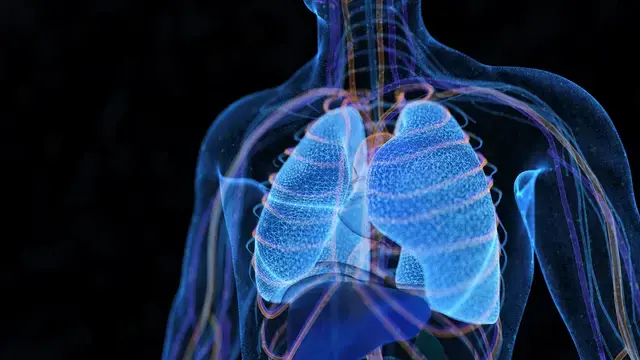
The simulation shows smoke coating the airways, irritating delicate tissue and leaving behind sticky tar. Over time, this buildup can reduce the lungs’ ability to absorb oxygen efficiently.

As the lungs struggle to function normally, breathing becomes more difficult. Health experts say this ongoing irritation may contribute to chronic cough, reduced lung capacity, and long-term respiratory disease.

How Smoking Affects the Heart

Once nicotine enters the bloodstream, the heart responds quickly.

The simulation shows heart rate increasing within seconds. Blood vessels tighten, which raises blood pressure and forces the heart to work harder than it should.

Over time, this added strain may increase the risk of heart disease and stroke. Medical organizations consistently warn that smoking damages blood vessels and reduces overall cardiovascular health.

What Happens in the Brain

Nicotine also travels rapidly to the brain.

The video explains that it triggers a release of dopamine, a chemical linked to pleasure and reward. This can create a temporary sense of calm or focus.

But the effect fades quickly. As dopamine levels drop, cravings, anxiety, and fatigue may follow, reinforcing the cycle of dependence that makes quitting so difficult.

The Hidden Impact of Secondhand Smoke

The simulation doesn’t just focus on smokers.

It also highlights how secondhand smoke affects people nearby. The same chemicals that harm the smoker’s lungs and heart can be inhaled by others, including children and vulnerable adults.

Health authorities warn that exposure to secondhand smoke may increase the risk of respiratory problems and heart disease, even in non-smokers.

Why Visual Simulations Are So Powerful

What sets this simulation apart is how clearly it connects cause and effect.

Rather than relying on statistics alone, it shows how damage unfolds step by step. Experts say visual tools like this can make health risks feel more real, especially for people who underestimate the impact of occasional smoking.

Researchers have also found that quitting smoking can begin to reverse some of the damage over time, with benefits starting sooner than many expect.

A Reminder, Not a Lecture

The video doesn’t tell people what to do. It simply shows what happens.

For some viewers, that may be enough to rethink their habits. For others, it may offer a clearer understanding of why health professionals continue to stress the risks associated with tobacco use.

What’s often overlooked is that every cigarette has an effect. Seeing it unfold in real time can be hard to ignore.

Featured Image Credit: Getty Stock Image

Topics: HealthNewsYouTube

Doctor Warns There’s One Body Part You Should Never Shave

Shaving is a routine part of personal grooming for millions of people. From legs to faces to underarms, it’s often treated as harmless hygiene.

But doctors say there’s one area of the body you should think twice about shaving—and it’s not for cosmetic reasons. According to medical experts, removing hair from this region may increase the risk of infections and other health issues.

The Shaving Question People Rarely Ask Doctors

Many health questions go unasked simply because people feel embarrassed. That’s something Mike Varshavski, better known as Doctor Mike, often addresses in his educational videos.

In one discussion, he tackled a topic that surprises many viewers: shaving the pubic region. While it’s a common grooming choice, he explained that medical research suggests it may come with real risks.

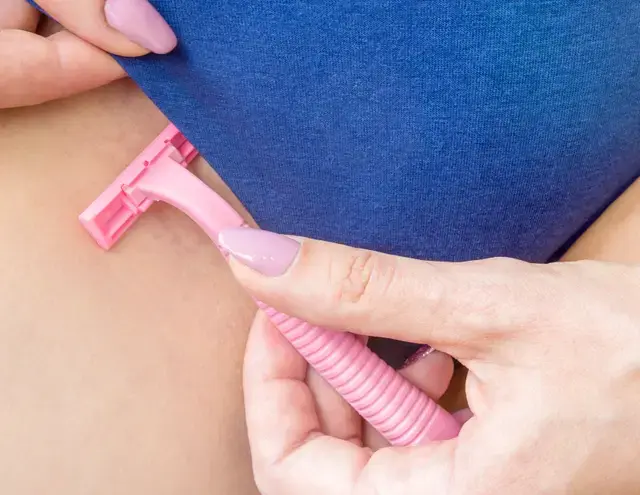
Shaving your pubic hair may not be so good for you after all.
Shaving your pubic hair may not be so good for you after all (Getty Stock Image)

Why Doctors Warn Against Shaving Pubic Hair

According to Doctor Mike, studies have found higher rates of sexually transmitted infections among people who regularly shave their pubic hair.

The reason isn’t the razor itself. Shaving removes a natural protective barrier, increasing skin-to-skin contact and making it easier for infections to spread.

The Hidden Risk of Micro-Tears in the Skin

Another concern is damage you can’t see. Shaving can cause tiny cuts and micro-tears in the skin, even when done carefully.

These small openings may allow bacteria, viruses, or bodily fluids to enter the body more easily. Experts say compromised skin surfaces can raise the risk of both local infections and sexually transmitted diseases.

Pubic Hair Has a Biological Purpose

Pubic hair isn’t random. It’s classified as “terminal hair,” which is thicker and coarser than hair found on most of the body.

Doctors explain that it develops during puberty and serves several protective roles. It helps reduce friction, limits skin irritation, and cushions sensitive areas during movement and intimacy.

What Dermatologists Say About Hair Removal

Dermatologists echo similar concerns. Katy Burris, a dermatologist with ColumbiaDoctors, has explained that pubic hair helps trap dirt and bacteria before they reach sensitive openings.

She notes that while many people assume hair removal improves hygiene, the opposite may be true. Removing this natural barrier can actually make the area more vulnerable to irritation and infection.

The doctor urged against shaving down below.
The doctor urged against shaving down below (Getty Stock Image)

Hygiene Myths Around Shaving

Health experts say the idea that shaving equals cleanliness is largely a myth. According to reporting from Healthline, pubic hair helps wick away sweat, reduce chafing, and provide a first line of defense against harmful microbes.

Gynecologists have also pointed out that certain infections spread more easily when the skin is damaged or inflamed from grooming practices.

A Case for Letting the Body Do Its Job

Medical professionals emphasize that if the body naturally grows hair in a specific area, it usually serves a purpose. Pubic hair appears to be no exception.

While personal grooming choices remain individual, doctors suggest understanding the risks before removing hair in sensitive regions. In many cases, leaving it intact may help protect skin health rather than compromise it.

Featured Image Credit: Getty Images

Topics: HealthYouTube

Shocking Simulation Shows What Really Happens When You Pluck a Hair From Your Skin

It’s a familiar moment. You spot a sharp, stubborn hair poking out of place and reach for the tweezers without thinking twice.

The result is instant satisfaction. Smooth skin, problem solved. But a viral simulation is now making people pause before that reflexive pluck, revealing what actually happens beneath the surface of the skin.

The animation, shared online by popular science creator Zackdfilms, offers a close-up look at the process most people never see.

Looking beyond the surface

When a hair is plucked, it feels simple. A quick pull and the hair is gone.

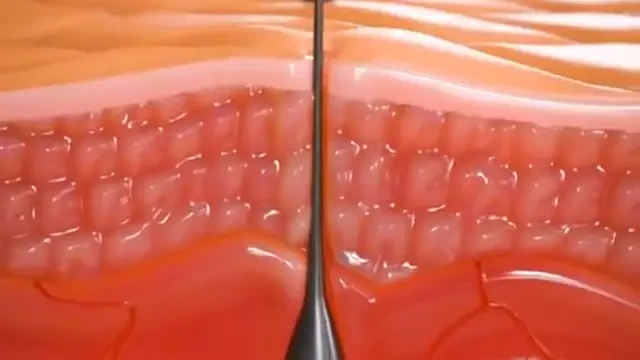
The simulation shows that the process is anything but gentle. Instead of removing just the visible strand, plucking yanks out the entire hair root from deep within the follicle.

That forceful removal can disturb the delicate structure that controls how hair grows back. Hair follicles are small but complex. They guide the direction and pattern of hair growth. According to the simulation, plucking can damage the follicle wall. When that happens, the new hair may not grow straight upward as intended.

Instead, it can emerge at an angle, setting the stage for irritation beneath the skin.

The animation follows what happens next. A new hair begins to grow, but rather than breaking through the skin, it curls inward.

Trapped below the surface, the hair continues to grow, creating pressure and inflammation. This is how an ingrown hair develops.

What started as a barely noticeable stray hair can turn into a red, swollen bump that draws far more attention than the original problem.

That's not what you want your hair to look like.
That’s not what you want your hair to look like (YouTube/zackdfilms)
Why ingrown hairs can be uncomfortable

Medical experts explain that ingrown hairs often come with irritation, itching, and tenderness. In some cases, the area can become discolored or painful to touch.

The Cleveland Clinic notes that anyone who removes hair by plucking or waxing can develop ingrown hairs. Shaving can cause them too, especially when hair grows back unevenly.

Repeated irritation increases the likelihood of inflammation.

The risk of repeated plucking

The simulation also highlights a longer-term effect. Repeatedly plucking the same area can cause cumulative damage to the follicle.

Over time, follicles may struggle to produce hair normally. In some cases, hair may stop growing altogether in that spot.

While that might sound appealing to some, experts caution that damaged follicles don’t always heal cleanly, and skin texture can change unpredictably.

Why plucking feels harmless

Part of the reason people underestimate plucking is because the effects aren’t immediate. Many get away with it for years without obvious issues.

But the simulation suggests that irritation builds gradually. Each pluck adds a small amount of trauma beneath the skin.

Eventually, the body responds, often in ways that are more noticeable and uncomfortable than the hair ever was.

What medical guidance says

Health authorities stress that ingrown hairs are usually not dangerous, but they can be bothersome. Symptoms may include small raised bumps, redness, itching, and mild pain.

In most cases, doctors recommend leaving the area alone and allowing the hair to grow out naturally. Applying warm compresses may help open pores and reduce discomfort.

Picking at or repeatedly removing the hair can worsen irritation.

Why the simulation struck a nerve

What makes the video unsettling is its realism. By visualizing layers of skin, follicles, and regrowth, it turns a routine beauty habit into something far more tangible.

Viewers aren’t being told to stop plucking entirely. Instead, the simulation encourages awareness of what the skin endures during the process.

For many, seeing the hidden damage is enough to rethink how often they reach for the tweezers.

Rethinking a common habit

Hair removal is a personal choice, and plucking will likely remain part of many routines.

But the simulation serves as a reminder that even small actions can have consequences beneath the surface. Moderation, proper skin care, and paying attention to irritation may help reduce unwanted side effects.

Sometimes, the smallest habits reveal the biggest surprises when you look just a little deeper.

Health Disclaimer
This article is for informational purposes only and is not intended as medical advice. Always consult a qualified healthcare professional before making any changes to your health, diet, or treatment.

Featured Image Credit: YouTube/@zackdfilms92

Topics: YouTubeBeauty