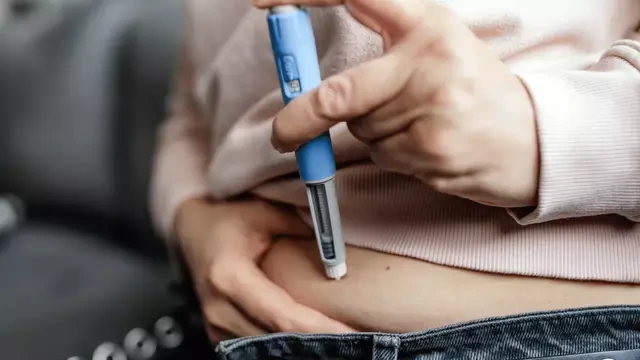
Weight loss injections have transformed how millions manage their weight.
But doctors and nutrition experts are now raising concerns about an unexpected side effect tied to these drugs: the return of scurvy.
Once associated with pirates and long sea voyages, the vitamin deficiency disease is reportedly appearing more often in modern clinical settings.
A centuries-old condition making a comeback
Scurvy is caused by a lack of vitamin C in the diet.
Historically, it affected sailors who went months without fresh fruit or vegetables.
Now, experts suggest appetite suppression linked to GLP-1 weight loss drugs may be creating similar nutritional gaps in some users.
Weight loss drugs are now widely used
GLP-1 medications such as Wegovy and Mounjaro have become increasingly common across the UK, US, and Australia.
Data from University College London suggests around 1.6 million people in Britain used weight loss injections in the past year alone.
A separate poll from KFF found that one in eight adults had used GLP-1 drugs for weight loss at the time of the survey.
How scurvy develops
According to the Mayo Clinic, scurvy occurs when people do not consume enough vitamin C over time.
The vitamin plays a vital role in tissue repair, immune health, and collagen production.
Without it, the body begins to break down in noticeable ways.
Symptoms doctors are seeing
Early signs of scurvy can be subtle, which makes it easy to miss.
Common symptoms include fatigue, anemia, and joint pain.
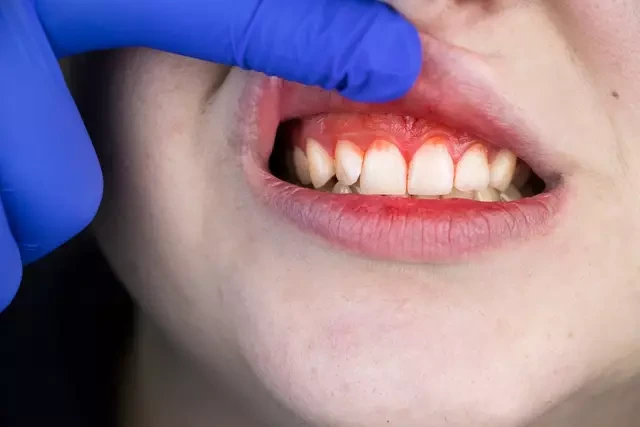
As the condition progresses, patients may experience bleeding gums, loose teeth, rough skin, swelling in the legs, and wounds that reopen after healing.
In severe cases, untreated scurvy can become life-threatening.
Why GLP-1 drugs may increase the risk
Nutrition experts say the issue is not the medication itself, but what happens to eating habits afterward.
GLP-1 drugs are designed to reduce appetite, which can lead to people eating far less overall.
Professor Clare Collins, a nutrition and dietetics specialist at Newcastle University, reviewed dozens of weight loss drug trials and found that dietary intake was rarely tracked.
She warned that weight loss does not automatically mean someone is well-nourished.
“What’s often overlooked is how these medications change what people actually eat,” she said in interviews with Australian media.
“If fruit and vegetables drop out of the diet, deficiencies can follow.”
A high-profile example
Singer Robbie Williams publicly revealed last year that he was diagnosed with scurvy while taking weight loss medication.
He said his appetite dropped so dramatically that he stopped eating balanced meals altogether.
The musician described the condition as “a 17th-century pirate disease,” highlighting how unexpected the diagnosis felt.
Health data suggests Williams is not alone.
UK figures indicate scurvy cases have increased by around 25 percent since 2007.

What drug makers are saying
Pharmaceutical companies stress that scurvy is not a listed side effect of GLP-1 medications.
A spokesperson for Novo Nordisk said patient safety remains a priority and encouraged anyone experiencing adverse effects to report them through official monitoring systems.
The company also noted that Ozempic is approved for type 2 diabetes, not weight loss.
Eli Lilly, which manufactures Mounjaro, has also been contacted for comment.
Why nutrition still matters
Experts agree the findings do not mean people should automatically stop taking prescribed medication.
Instead, they emphasize the importance of monitoring diet quality alongside weight loss.
That matters because reduced calorie intake without proper planning can quietly lead to deficiencies, even in people who appear otherwise healthy.
Health Disclaimer
This article is for informational purposes only and is not intended as medical advice. Always consult a qualified healthcare professional before making any changes to your health, diet, or treatment.
Featured Image Credit: Getty Stock
Topics: Health, News, Weight loss
