
A worrying exception to progress
Cancer survival rates have improved dramatically over the past few decades.
Earlier detection, better treatments, and declining smoking rates have saved millions of lives.
But scientists say one type of cancer is moving in the opposite direction — and it’s affecting younger people.
New research shows that while deaths from most cancers are falling, colon cancer is becoming more deadly for people under the age of 50.
In fact, it is now the leading cause of cancer-related death in this age group.
That shift marks a sharp break from decades of progress in cancer care.

What the data shows
According to a recent report from the American Cancer Society, overall cancer death rates among under-50s dropped by 44 percent between 1990 and 2023.
Four of the five deadliest cancers in younger adults followed that downward trend.
Colorectal cancer did not.
Instead, deaths from colon and rectal cancers have increased by roughly two percent per year, quietly reshaping cancer risk for younger generations.
From fifth place to the deadliest
In 1990, colorectal cancer ranked fifth among cancer deaths in people under 50.
Today, it sits at the top.
It is now the leading cause of cancer death in younger men and the second-leading cause in younger women, behind breast cancer — despite long being considered a disease of older age.
That matters because many younger patients, and even some clinicians, don’t initially suspect cancer.

Why younger patients are at higher risk
One major factor is delayed diagnosis.
Routine screening for colorectal cancer typically begins at age 45, even after guidelines were lowered in response to rising cases.
People under that threshold are less likely to be screened and more likely to dismiss symptoms.
Bloating, blood in stool, abdominal pain, or changes in bowel habits are often attributed to stress, diet, or conditions like IBS, rather than cancer.
What experts are saying
Gastrointestinal cancer specialist Jeff Meyerhardt told Scientific American that colorectal cancer has long been viewed as a cancer of aging.
“That assumption held for decades,” he said, “until more recently.”
The concern now is that tumors in younger patients may go unnoticed for years before diagnosis.
How early does the disease begin?
Researchers are also questioning how colorectal cancer develops so early in life.
For someone diagnosed in their early 20s, scientists estimate precancerous growths may have started in childhood.
Andrea Cercek, co-director of the Center for Young Onset Colorectal and Gastrointestinal Cancer, says that possibility is driving urgent research.
“If a 22-year-old has cancer, that process likely began when they were a child,” she explained.
Possible causes under investigation
There is no single confirmed cause for the rise in early-onset colorectal cancer.
Researchers are examining several large-scale changes over the past 30 years.
These include diet, physical inactivity, obesity, antibiotic use, gut microbiome changes, and environmental exposures such as microplastics.
What’s often overlooked is that these factors may interact over time, accelerating disease development in younger bodies.
Why awareness matters now
Survival outcomes for young adults with colorectal cancer can be life-altering, physically and emotionally.
Late diagnosis often means more aggressive treatment and reduced quality of life.
Experts stress that recognizing symptoms early remains the most effective way to reverse the trend.
The earlier colorectal cancer is found, the more treatable it becomes.
What younger people should know
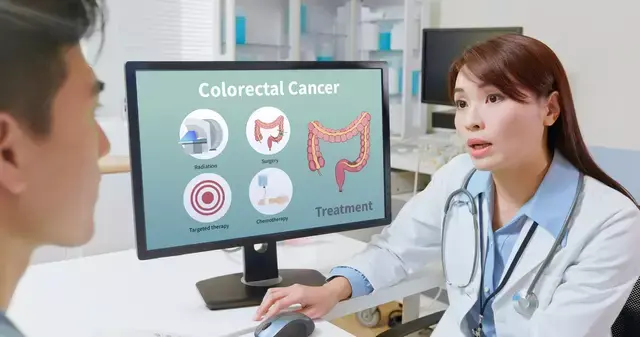
Doctors urge anyone — regardless of age — to seek medical advice for persistent bowel changes, unexplained bleeding, ongoing bloating, or abdominal pain.
These symptoms don’t automatically mean cancer.
But ignoring them has become increasingly risky.
As scientists continue searching for answers, awareness may be the most powerful tool currently available.
Health Disclaimer
This article is for informational purposes only and is not intended as medical advice. Always consult a qualified healthcare professional before making any changes to your health, diet, or treatment.
Featured Image Credit: Getty Stock Images
Topics: Cancer, Health, Science, Colon cancer
