
Weight-loss medications have become a defining health trend of recent years. For many patients, they have offered new hope in managing diabetes and reducing weight when other approaches failed.
But doctors are now urging caution after highlighting a rare side effect that could have lasting consequences for a small number of users.
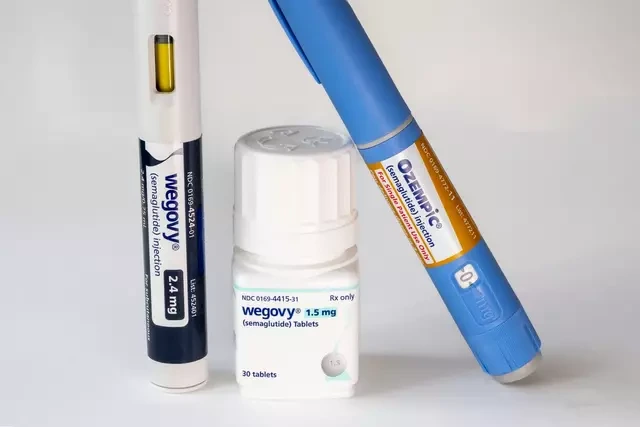
The warning focuses on medications containing semaglutide, a drug widely prescribed for type 2 diabetes and, in some cases, weight management. While the overall risk remains low, health authorities say awareness is essential.
Why these medications became so popular
Semaglutide-based treatments gained attention for their ability to regulate blood sugar while also reducing appetite. That combination has made them appealing to patients struggling with weight-related health issues.
Although some versions are approved specifically for weight loss, others are officially intended for diabetes treatment. Their off-label use, however, has surged as patients report significant reductions in appetite and body weight.
Experts stress that these medications can be effective when used appropriately and under medical supervision. Still, like all prescription drugs, they are not without potential side effects.
The vision issue doctors are monitoring
The latest concern involves a condition known as non-arteritic anterior ischemic optic neuropathy, or NAION. It is a disorder that affects blood flow to the optic nerve and can result in sudden vision changes.
Health authorities describe the symptoms as sudden, painless vision loss, often affecting one eye. Some people experience blurred or cloudy vision that can worsen quickly.
A recent study examining patients in several US states found that those affected tended to be older adults, with women representing a slightly higher proportion of cases. In one reported instance, a patient experienced vision problems shortly after beginning treatment.
How common is the risk?
Doctors emphasize that this side effect is rare. Current estimates suggest that roughly one in 10,000 patients taking semaglutide may experience this type of vision complication.
That low figure is important context, according to clinicians. Millions of people worldwide use these medications without developing serious eye problems.

However, specialists note that even rare risks deserve attention when the potential impact involves permanent vision changes.
What health authorities are advising
Regulatory agencies in the UK and elsewhere have advised patients to remain alert to any sudden changes in eyesight while taking semaglutide-based drugs.
They recommend seeking urgent medical care if vision becomes impaired rapidly or if any unusual visual symptoms appear. Early assessment can help determine whether the symptoms are related to the medication or another underlying condition.
Healthcare professionals are also being encouraged to discuss this potential risk with patients, particularly those who may already have risk factors for eye disease.
Balancing benefits and risks
Drug manufacturers maintain that the overall benefit-risk profile of semaglutide remains favorable. They point to extensive safety monitoring and ongoing collaboration with regulators worldwide.
Medical experts generally agree that the medications continue to play an important role in diabetes care and, for some patients, weight management. The key issue is informed use rather than alarm.
What matters most, doctors say, is that patients do not stop or start medications without professional guidance. Sudden changes in treatment can carry their own risks.
What patients should keep in mind
For most people, semaglutide treatments are well tolerated and effective. The newly highlighted side effect does not change that reality for the vast majority of users.
Still, awareness can make a difference. Recognizing early warning signs and maintaining regular medical check-ups allows potential problems to be addressed promptly.
As with any medication, informed decisions, open conversations with healthcare providers, and careful monitoring remain the foundation of safe and effective treatment.
Health Disclaimer
This article is for informational purposes only and is not intended as medical advice. Always consult a qualified healthcare professional before making any changes to your health, diet, or treatment.
Featured Image Credit: Peter Dazeley/Getty
Topics: News, US News, Health, UK News, Ozempic, Drugs
