
What Could Happen If You Take the Mounjaro “Golden Dose,” Experts Warn
Weight-loss medications have reshaped how people manage diabetes and obesity. But alongside their popularity, new and risky trends are emerging online. One of the most talked-about is the so-called “golden dose” of Mounjaro — and medical experts say it’s something users should avoid.
Mounjaro, also known as tirzepatide, is prescribed in carefully measured weekly doses. Yet some users are attempting to extract leftover medication from injector pens, believing it offers an extra boost. Doctors warn that this practice may come with serious consequences.
What Is Mounjaro and How Is It Meant to Work?
Mounjaro is a prescription medication approved to help manage blood sugar in people with type 2 diabetes. It belongs to a class of drugs known as GLP-1 and GIP receptor agonists.
These medications work by regulating appetite, slowing digestion, and improving insulin response. When taken as prescribed, they can help patients feel fuller for longer and maintain better metabolic control.
Because of these effects, Mounjaro has also gained attention among people seeking weight loss, though it is not approved for everyone and must be used under medical supervision.
The Rise of the “Golden Dose” Trend
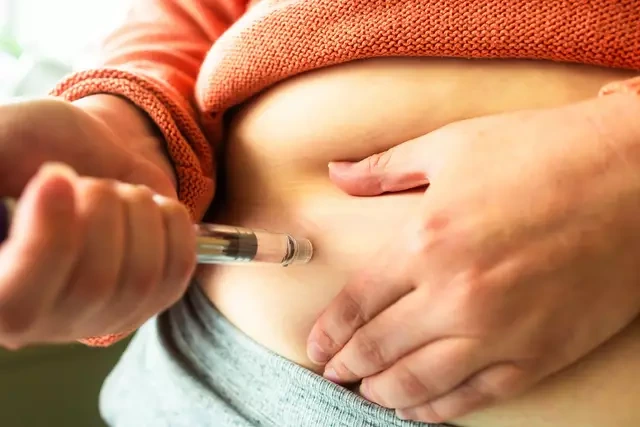
The “golden dose” refers to the small amount of liquid some users claim remains in a Mounjaro pen after the four intended weekly injections.
On social media, some individuals suggest drawing out this leftover medication with a syringe to create an unofficial fifth dose. The motivation is often cost-related or driven by the belief that more medication leads to faster results.
Health professionals say this assumption is dangerous.
Why Doctors Say Extra Doses Are Risky
Medical experts stress that Mounjaro dosing is carefully calibrated for safety. Taking more than prescribed can overwhelm the body’s ability to tolerate the medication.
Reported side effects of excessive dosing may include severe nausea, vomiting, diarrhea, and dehydration. These symptoms can escalate quickly, especially in people who are already sensitive to GLP-1 medications.
In rarer cases, experts say overdosing may increase the risk of serious complications such as inflammation of the pancreas, a condition that often requires urgent medical care.
Infection and Contamination Concerns
There is another risk that has nothing to do with dosage levels. Attempting to extract medication from a pen that is not designed for reuse may introduce bacteria.
Manufacturers warn that breaking into injection pens is not sterile. This can increase the risk of skin infections, abscesses, and other complications at the injection site.
If an infection spreads, it may lead to severe outcomes that require hospitalization.
What the Manufacturer Says
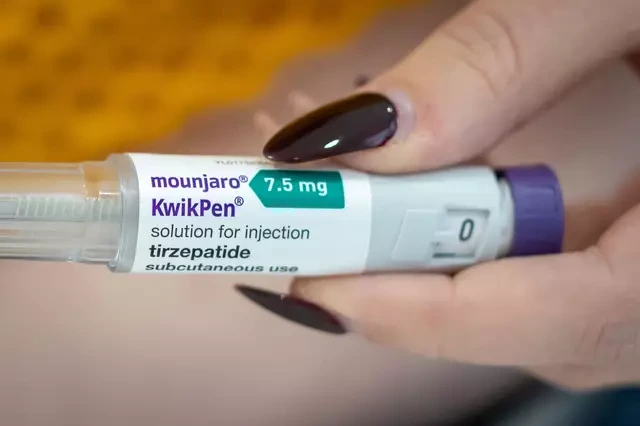
The maker of Mounjaro has stated that its injection pens are designed to deliver a fixed amount of medication over a 28-day period. Any remaining liquid is intended for priming the device, not for additional dosing.
According to the company, once four doses are delivered or 30 days have passed, the pen should be safely discarded. Attempting to extract leftover medication goes against official guidance and safety testing.
Why More Is Not Better With GLP-1 Drugs
One of the biggest misconceptions around weight-loss medications is that higher doses automatically produce better results. Experts say that’s not how these drugs work.
Higher-than-recommended doses do not guarantee faster or greater weight loss. Instead, they increase the likelihood of adverse effects, which may force patients to stop treatment altogether.
What’s often overlooked is that consistency, not excess, is what makes these medications effective when medically appropriate.
A Growing Call for Caution
Healthcare providers are increasingly urging patients to follow prescriptions exactly as written. They also encourage open conversations with clinicians about side effects, costs, and expectations.
If a medication feels ineffective or difficult to tolerate, experts say adjustments should always be made by a qualified professional — not through online hacks.
This article is for informational purposes only and is not intended as medical advice. Always consult a qualified healthcare professional before making any changes to your health, diet, or treatment.
Featured Image Credit: Getty Stock Images
Topics: Mounjaro, Weight loss, Health
