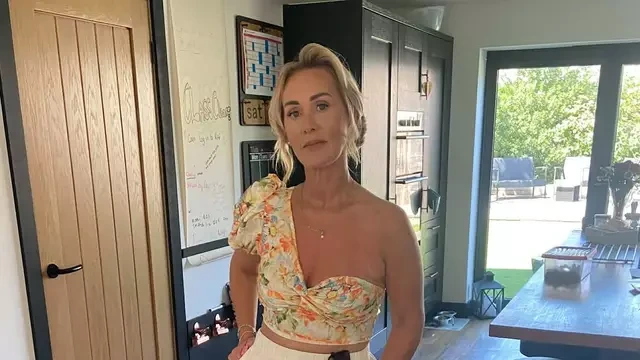
As demand for weight-loss injections continues to surge, so too does the market for convincing counterfeits. For one woman, what seemed like a harmless shortcut turned into a medical emergency that nearly cost her life.
Michelle Sword believed she was taking Ozempic, a medication she had used before. Instead, she unknowingly injected a counterfeit drug that left her unconscious and fighting for survival.
Her experience is now being shared as a cautionary tale about the growing risks linked to imitation weight-loss treatments sold online.
Turning to medication after a difficult period
Sword, a 47-year-old mother of two, first used Ozempic several years ago after her long-term marriage ended. Like many people, she struggled with confidence and weight changes during an emotionally difficult time.
The medication, which contains semaglutide, helped her lose weight and regain a sense of control. She described the results as transformative and said she was able to reach her target weight alongside lifestyle changes.
For a period, she maintained those results. But as time passed, old habits crept back in, and the weight slowly returned.
Rising demand and limited access
By the summer of 2023, Sword decided to look again at weight-loss injections. This time, however, access was more difficult.
Soaring demand had pushed up prices and made legitimate prescriptions harder to secure. That environment has created fertile ground for sellers offering cheaper alternatives through social media and online platforms.
When Sword saw an advert for Ozempic at a fraction of the usual cost, she admits she acted quickly.
The counterfeit that looked almost real
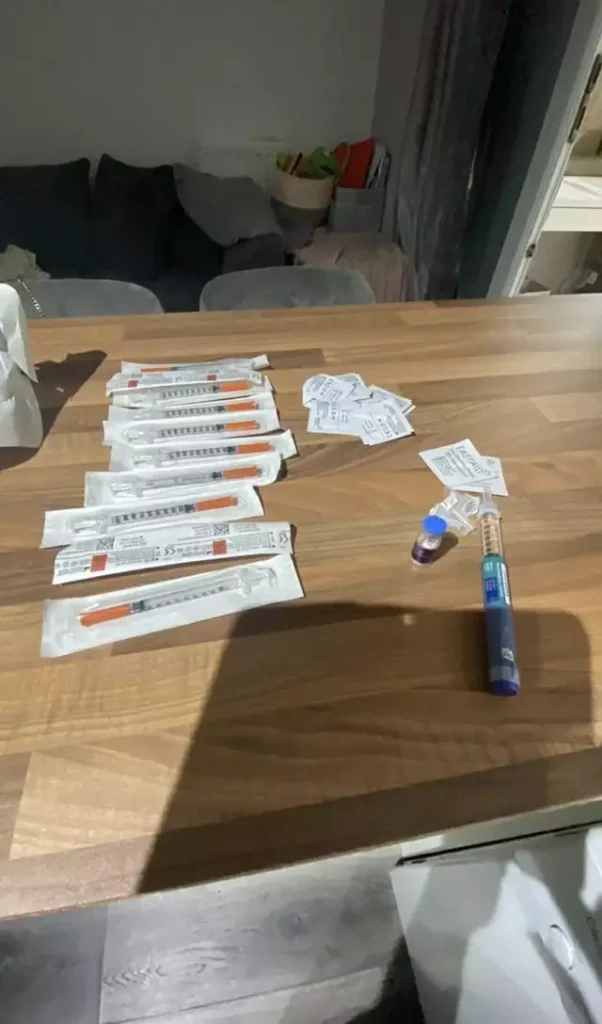
The injections arrived within days. At first glance, they appeared genuine. The packaging, labeling, and pen design closely matched what she had used before.
There was, however, one detail that stood out once she began using the injection. She noticed the pen continued to click in an unusual way, making it difficult to judge the dose.
She also observed that the liquid inside the vial did not seem to reduce as expected. At the time, she dismissed the concern, assuming it was a minor difference.
Sudden collapse and a race to save her life
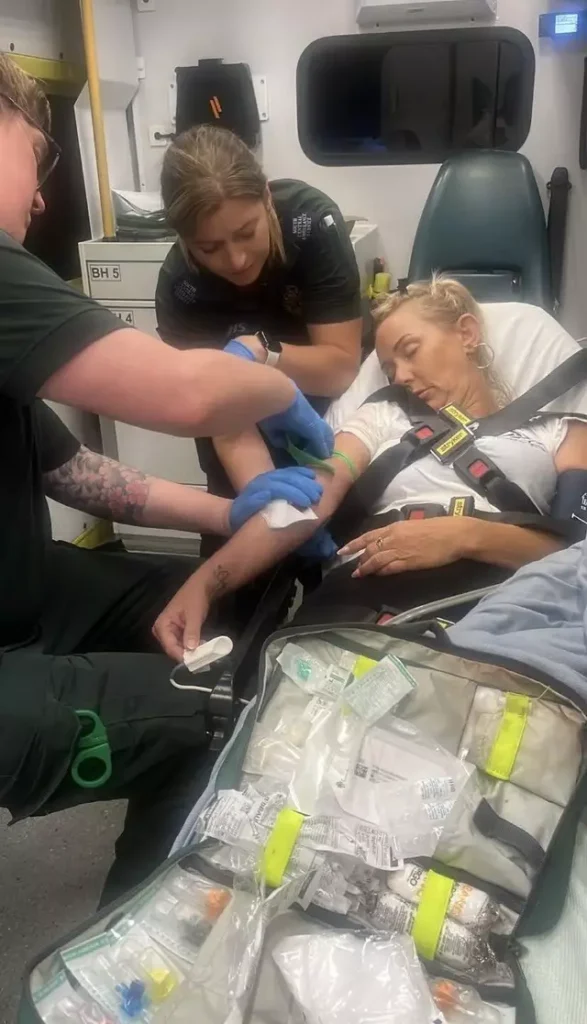
Within minutes of injecting the drug, Sword began to feel unwell. Shortly after, she collapsed and lost consciousness.
Her teenage daughter returned home by chance and found her unresponsive. Emergency services were called, and paramedics worked for over an hour before rushing her to hospital.
Doctors later discovered her blood sugar levels were dangerously low. Medical staff concluded that the injection was not semaglutide at all, but insulin, which had triggered a severe hypoglycaemic episode and diabetic coma.
A narrow escape with lasting consequences
Sword was told that without rapid intervention, she may not have survived. The incident left her shaken and angry that counterfeit medications could be sold so easily.
She has since spoken out to warn others, describing the experience as a stark reminder that prescription drugs obtained outside regulated channels can be life-threatening.
Her message is not about weight loss itself, but about the risks of bypassing proper medical oversight.
What experts and manufacturers say
Health authorities have repeatedly warned that prescription-only medications should never be purchased from unverified sources. Experts note that counterfeit drugs may contain incorrect doses, the wrong active ingredient, or no effective medication at all.
The manufacturer of Ozempic has stated that patient safety is its top priority and that it works closely with regulators to identify and remove fake products from the market.
They stress that genuine treatments require a prescription and medical consultation, both to ensure safety and to confirm suitability.
A warning rooted in experience
Sword says she hopes her story will make others pause before trusting online deals that seem too good to be true.
The incident highlights a broader issue facing modern healthcare: when demand outpaces access, risks can shift from the condition being treated to the products themselves.
For Sword, the lesson came at a devastating cost. She now urges others to put safety before speed, and to remember that no cosmetic goal is worth risking a life.
Health Disclaimer
This article is for informational purposes only and is not intended as medical advice. Always consult a qualified healthcare professional before making any changes to your health, diet, or treatment.
Featured Image Credit: SWNS/Michelle Sword
Topics: Drugs, Ozempic, Weight loss, Health
