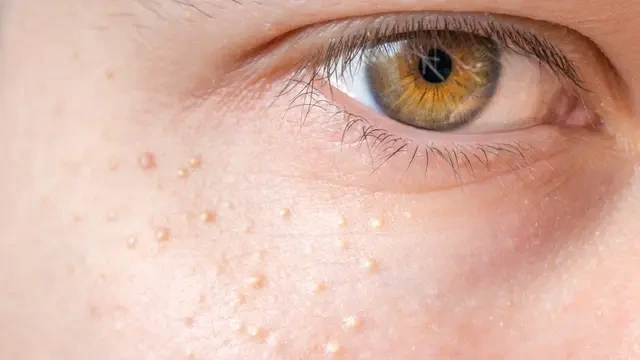
Tiny white bumps can look harmless. Sometimes they’re barely noticeable until a mirror, bright light, or a close-up photo makes them impossible to ignore.
For many people, the first instinct is simple: squeeze it, pick it, or try to “extract” it like a whitehead.
Here’s the problem. Dermatology experts say some of the most common white spots people panic about are not acne at all — and treating them like acne can leave you with irritation, scarring, or even infection.
Why white bumps aren’t always pimples
A lot of bumps get lumped into the same category because they’re small, pale, and raised.
But skin specialists often point to two different culprits depending on where the bumps show up: milia (usually on the face) and Fordyce spots (often on the lips or genital area).
They can look similar at first glance. The cause and the best next step can be very different.
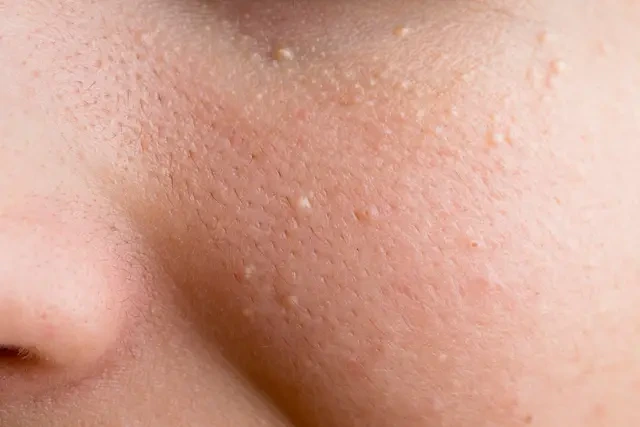
Milia: the “stubborn” white bumps often seen on the face
Milia are tiny cysts that form when keratin (a protein found in skin, hair, and nails) gets trapped under the surface.
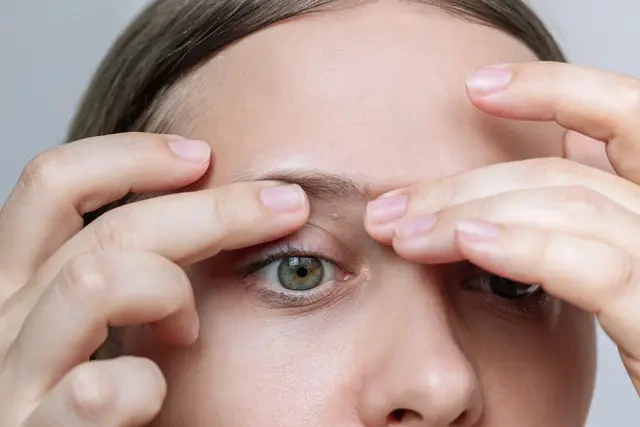
They often appear around the eyes, on the cheeks, or near the nose and lips. And unlike acne, they don’t behave like acne.
Dermatology experts describe milia as firm bumps that are difficult to “pop” because they sit under a thin layer of skin. That’s why squeezing usually fails — and why people end up pressing harder, damaging the surrounding area.
What’s often overlooked is this: when you pick at milia, you’re not clearing a clogged pore. You’re tearing skin.
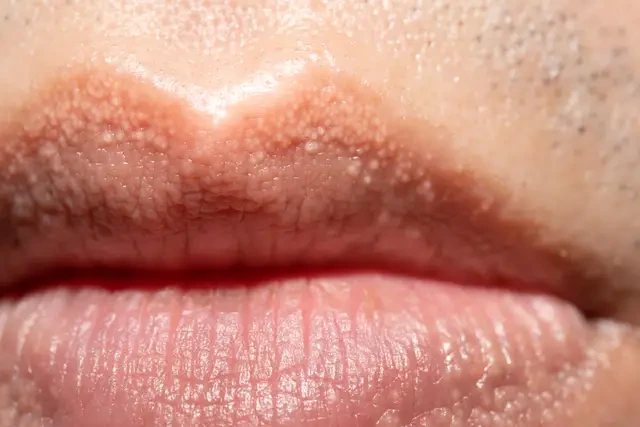
Fordyce spots: common bumps that can appear on “private parts”
If the white or flesh-colored spots show up on the lips or in the genital region, they may be Fordyce spots.
Medical sources like the Cleveland Clinic describe Fordyce spots as visible oil glands. Many people are born with them, and they can become more noticeable during or after puberty.
They are common, they are not the result of poor hygiene, and they are not automatically a sign of a sexually transmitted infection.
Still, their location can make them stressful. That anxiety is exactly why experts emphasize getting a professional opinion if you’re unsure — especially if anything changes quickly or looks inflamed.
The one thing experts agree on: don’t squeeze or pick
This is where the “serious warning” comes in, and it’s not about scare tactics. It’s about simple skin biology.
With milia, squeezing often does nothing because the contents are firm and trapped. Trying to force it can break the skin barrier and raise the risk of irritation and scarring.
With Fordyce spots, picking can create tiny wounds. Health resources like Healthline warn that damaging the skin can increase the risk of infection.
In other words, the bump may be harmless — but your attempt to remove it might not be.
When it’s worth getting checked
Most people don’t need emergency care for a few small white spots.
But it is smart to speak with a clinician if you notice any of the following:
- Rapid changes in size, color, or shape
- Pain, bleeding, crusting, or discharge
- Spreading irritation or swelling
- A new cluster of bumps after a sexual encounter
- Ongoing worry because you’re not sure what you’re seeing
A quick exam can save weeks of stress and prevent unnecessary skin damage.
Are there safe treatment options?
Some people choose to leave these bumps alone, especially if they’re not causing discomfort.
If someone wants treatment for cosmetic reasons, options may exist — but they should be guided by a qualified professional. Medical sources note that milia can sometimes be treated with certain topical products or in-office procedures.
For Fordyce spots, some treatments may reduce their appearance, but results can vary. What matters most is avoiding DIY “removal” attempts that can lead to complications.
Featured Image Credit: Getty Stock Image
