Christmas food usually comes wrapped in comfort. Warm spices, rich fruit, chocolate, cream, and a splash of something stronger are all part of the appeal.
That is exactly why one festive warning is catching attention. Some experts say a handful of popular Christmas desserts may retain more alcohol than many people expect, even after cooking.
Why festive puddings are under scrutiny
The concern is not really about dessert itself. It is about what happens when alcohol is added to recipes, then served shortly before someone gets behind the wheel.
Many people assume heat removes all of the alcohol from food. In reality, that is not always the case. According to guidance often cited by health authorities and food researchers, some alcohol can remain in a dish depending on how it is cooked, how long it is heated, and what ingredients it is mixed with.
That matters because festive desserts are often made with brandy, rum, Marsala wine, or liqueurs. In some cases, the alcohol is added late, soaked in over time, or stirred through after baking.

The six desserts experts say drivers should watch
Travel and consumer experts quoted in seasonal warnings have pointed to six sweet treats in particular.
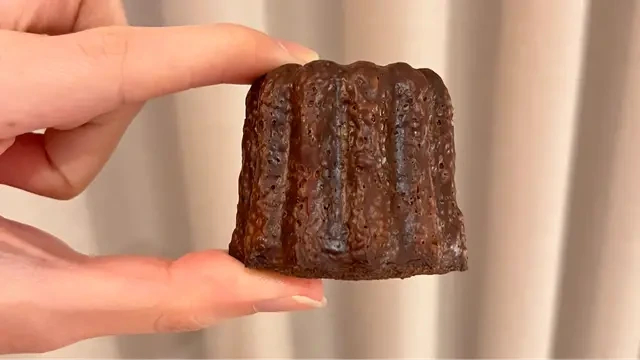
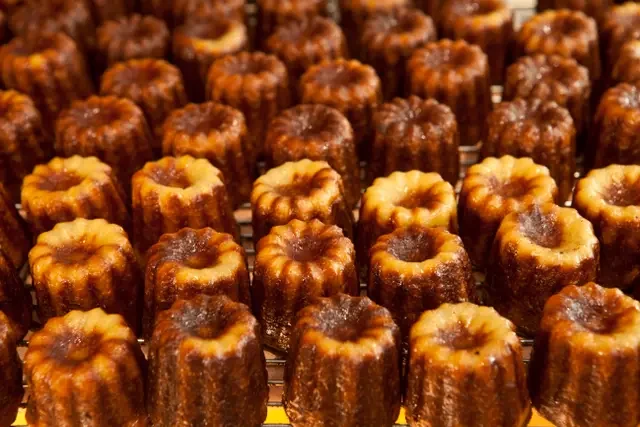
The first is canelés de Bordeaux, the small French pastries known for their caramelized shell and soft center. They often include rum, and while they are baked, some of that alcohol may remain in the finished dessert.
Next are poached pears cooked in wine. These may sound light compared with heavier Christmas puddings, but fruit can absorb liquid during cooking, which means the final dish may still contain a noticeable amount of alcohol.
Then there are mince pies, a Christmas staple that can be more boozy than they look. Not every version contains alcohol, but some homemade or premium recipes use brandy generously.
Christmas classics can be stronger than they seem
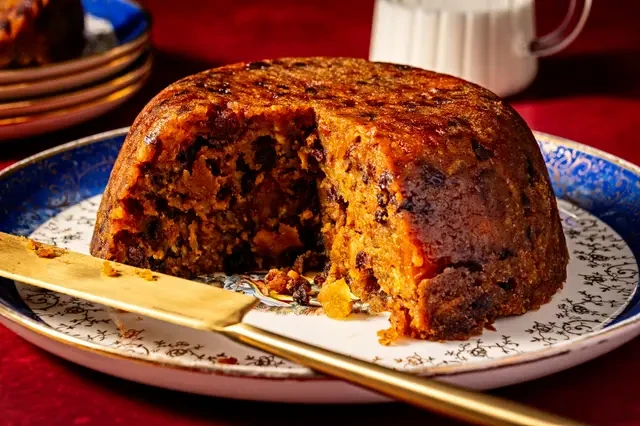
Few desserts are more closely tied to the season than Christmas pudding. It is also one of the easiest to underestimate.
Many traditional recipes involve adding alcohol more than once. A pudding may be fed with brandy over several weeks, then topped with more on Christmas Day. That layered approach can leave a stronger result than diners expect.
The same warning applies to trifle and tiramisu. Both are often built around soaked sponge or cream-based layers, and both can include a substantial amount of alcohol depending on the recipe.
The final item on the list is perhaps the least surprising: chocolate liqueurs. They are small, sweet, and easy to treat as an after-dinner extra, but they are designed to contain alcohol.
Why this warning matters during Christmas
The holiday season already brings more parties, family meals, and last-minute drives than usual. Add rich desserts and a relaxed atmosphere, and it becomes easier to overlook what is actually in the food.
What’s often overlooked is that drink-driving laws vary by country and state, and enforcement does not always depend on one simple rule. In some places, a driver can still face serious consequences if officers believe alcohol has affected their ability to drive, even if the amount consumed seemed minor.
That does not mean a mince pie automatically puts someone over a legal limit. It does mean assumptions can be risky, especially when several alcohol-based desserts are eaten close together.
Cooking does not always remove every trace
The idea that alcohol always “burns off” during cooking is too simple. Research has long shown that retention depends on timing, temperature, method, and portion size.
Desserts can be especially tricky because alcohol often binds with sugar and fat, both of which are common in festive baking. Some recipes also rely on soaking rather than prolonged cooking, which leaves even less chance for the alcohol content to reduce.
A simple festive reminder
Most people will enjoy these desserts with no issue at all. The bigger point is awareness.
If a pudding, pie, trifle, or chocolate includes alcohol, it is worth treating it as more than just a harmless extra before driving. During Christmas, the safest decision may be the simplest one: enjoy the dessert, then give it time before getting on the road.
Featured Image Credit: Getty Images/Moment Recorder
Topics: Food and Drink, Community, Health
